






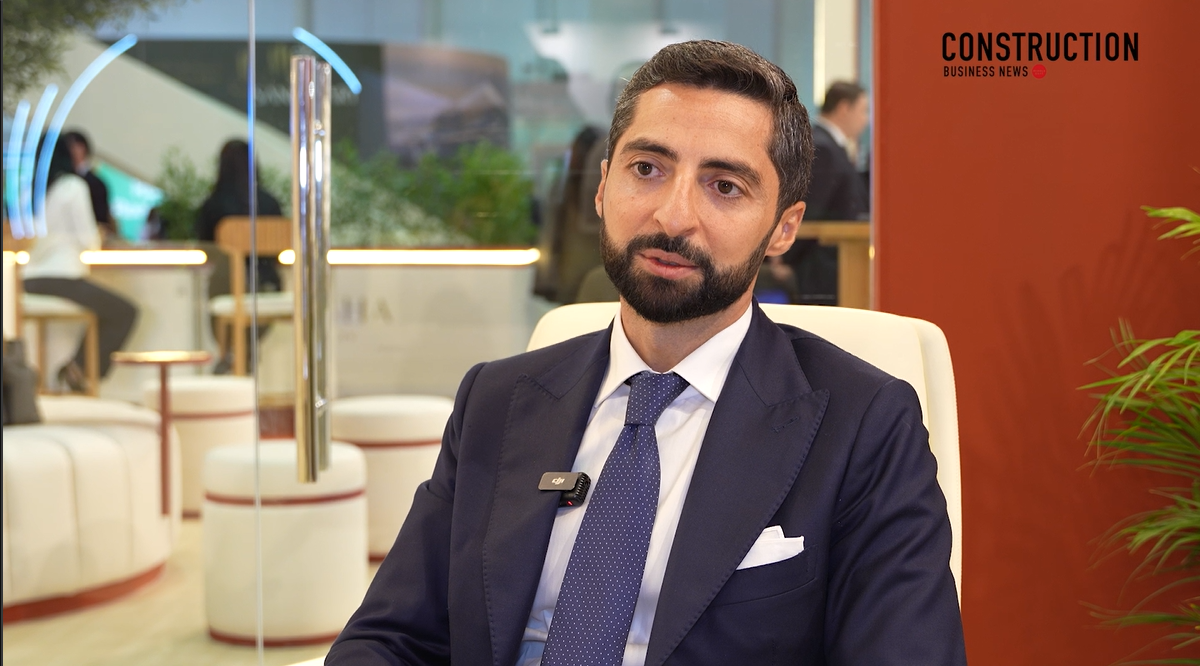
The 22nd edition of the International Property Show (IPS) concluded at the Dubai World Trade Centre, marking a pivotal moment for the convergence of global finance and urban development. Held from September 7–9, 2026, the event served as a high-stakes arena for institutional investors and policymakers to dissect the trajectory of the built environment. Among the industry leaders driving the conversation was Sergey Avayan, CEO of HOLM Developments, who provided a strategic look at how modern real estate is navigating the intersection of capital, design, and digital transformation.
The Digital Evolution: PropTech and the New Urban Fabric
At the core of IPS 2026 was a multi-dimensional approach to real estate that moved far beyond traditional bricks and mortar. The event’s thematic pillars—spanning Future Cities, Startups & PropTech, and Design—highlighted a definitive shift toward tech-integrated infrastructure. For developers like HOLM, this means moving beyond simple construction to building “intelligent” environments.
In an era where technology giants like Google are redefining the way cities function—through advanced cloud computing, AI-driven urban planning, and data-centric building management—the real estate sector is being forced to adopt a similar philosophy. Avayan emphasized that the future of property development is no longer just about location; it is about the integration of PropTech solutions that enhance asset value and occupant experience. By leveraging predictive analytics and AI-managed facility systems, developers are now able to maximize energy efficiency and operational uptime, aligning with the broader regional goals of sustainability and smart-city integration.
Dubai’s Market Resilience and Institutional Attraction
Dubai’s property market has remained a primary focal point for global capital, and IPS 2026 underscored its unique standing in the international arena. Avayan pointed out that the evolution of the Dubai market is increasingly influenced by institutional investors who demand transparency, long-term stability, and high-tech amenities.
“The market is maturing,” Avayan noted during his interview with Construction Business News ME. “Today’s investors are looking for developers who understand the complexity of the global landscape, specifically the role of digital infrastructure in property valuation.”
The influx of capital into the region is being matched by a surge in demand for projects that incorporate smart building protocols. Whether it is through the deployment of IoT-enabled connectivity or the implementation of sustainable construction tech, HOLM Developments is positioning its portfolio to meet the rigorous standards of modern global stakeholders. As the industry continues to integrate AI-driven workflows—ranging from digital twin modelling to automated maintenance—Dubai is solidifying its reputation as a testing ground for the future of living.
Future-Proofing the Built Environment
As the curtains closed on IPS 2026, the overarching takeaway for the real estate community was clear: the traditional developer’s role is morphing into that of a technology aggregator. The collaboration between local developers and international tech platforms is creating a new ecosystem where software and space are inextricably linked.
For HOLM Developments, the focus remains on delivering projects that are not only architecturally distinct but also technologically advanced. Avayan’s perspective reinforces that for a city like Dubai, which prides itself on rapid innovation, the next phase of growth will be defined by its ability to seamlessly integrate emerging tech. By prioritizing smart-city frameworks and sustainable innovation, the regional real estate sector is effectively future-proofing its assets against the shifting demands of the 2030 global market.
The event served as a powerful reminder that in 2026, real estate is as much a digital asset class as it is a physical one. As developers continue to adopt AI, machine learning, and advanced sensor networks, the collaboration seen at IPS 2026 will undoubtedly serve as the blueprint for the next decade of urban transformation.
Disclaimer: This content is auto-generated for informational purposes only.
Source: Read Original News