






Indian Hockey Returns to Iconic Blue for Asian Games Amid Kit Controversy
India’s men’s and women’s national field hockey teams are set to return to their traditional blue jerseys for the upcoming Asian Games in Nagoya-Aichi, Japan, starting September 19. The move marks a definitive step back from the controversial orange-themed kits worn by the squads during the recent World Cup held in Belgium and the Netherlands.
The decision to revert to the classic colors follows widespread backlash from fans, players, and hockey administrators regarding the brief shift in branding. While national sports kits often undergo aesthetic refreshes, the transition to orange—a color frequently associated with the political imagery of India’s ruling Bharatiya Janata Party (BJP)—sparked a fierce debate over the politicization of sports attire.
Addressing the Controversy
The choice of the saffron-hued kits drew immediate criticism, with many stakeholders arguing that the change moved away from the established identity of Indian hockey. For decades, the sight of the Indian team in their iconic blue has been synonymous with the country’s rich history in the sport, representing a legacy that spans multiple Olympic gold medals and continental dominance.
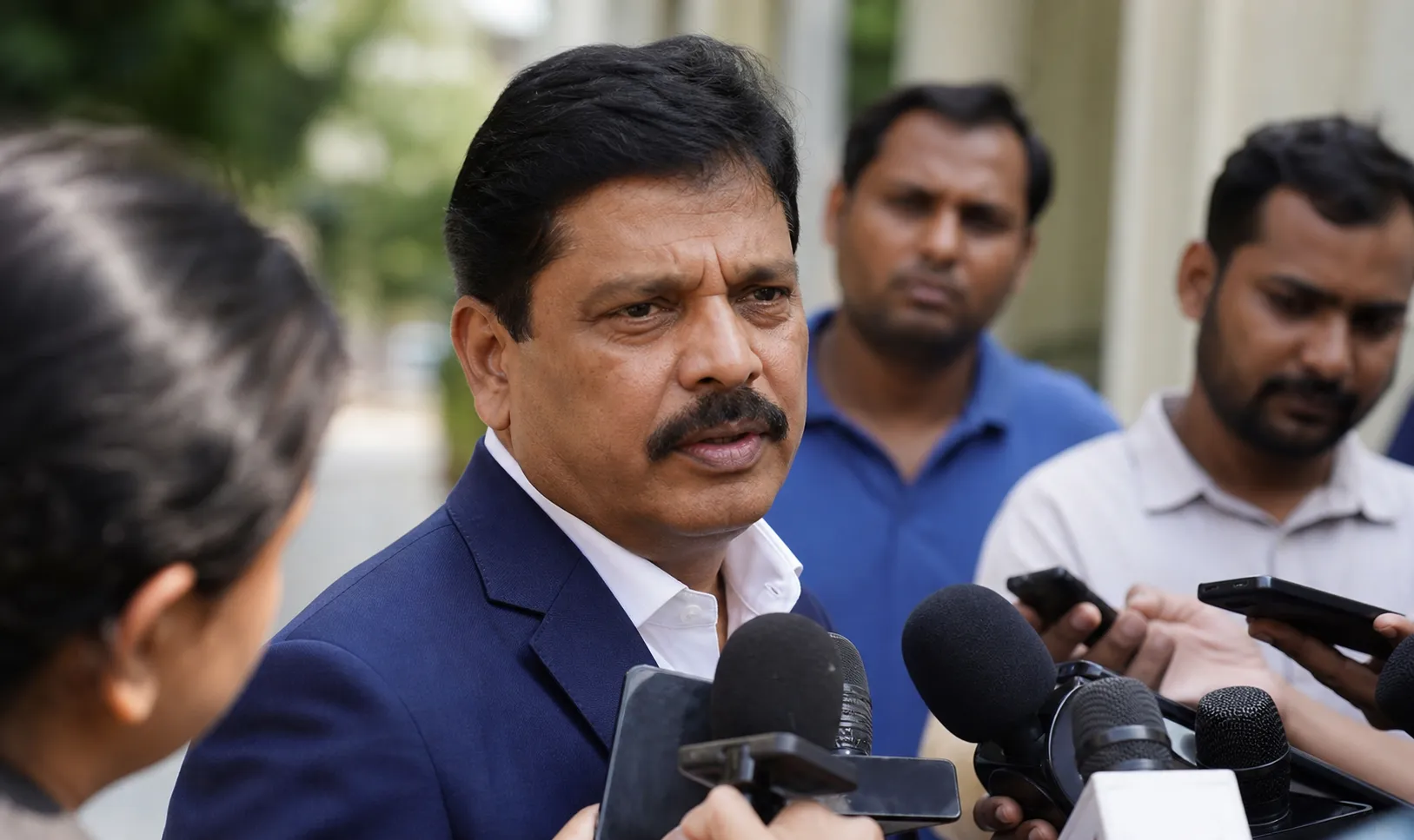
Hockey India president Dilip Tirkey, who addressed the media in New Delhi just before the teams departed for Japan, moved to clarify the administration’s position. Tirkey emphasized that the experimentation with the orange kit was never intended to be a permanent alteration. Under the current mandate, blue has been reinstated as the primary color for both the men’s and women’s teams, with saffron relegated to a secondary, accent role.
Institutional and Historical Pushback
The controversy was compounded by the fact that many within the hockey fraternity felt left out of the decision-making process. Tirkey himself had previously admitted that he was not consulted regarding the switch to the orange kits, sparking speculation that the change was driven by external political influences rather than sporting considerations.
The move was met with stern disapproval from legendary figures of the game. Former India team captains, including Pargat Singh, Dhanraj Pillay, Ajit Pal Singh, and Viren Rasquinha, voiced their concerns, suggesting that the team’s visual identity should remain untainted by political symbolism. These veterans argued that the historic connection between the blue jersey and the national team’s achievements is vital for team morale and public sentiment.
High Stakes in Nagoya-Aichi
As the focus shifts back to the pitch, both squads face significant pressure in Japan. The men’s team, having finished eighth at the World Cup, enters the Asian Games as the defending champion. A gold medal in Nagoya-Aichi is particularly crucial, as it would secure an automatic qualification spot for the 2028 Olympics, providing a clear pathway for the team to reclaim its global standing.
Meanwhile, the women’s team is looking to build on their momentum from previous outings. After securing a bronze medal at the last Asian Games, the squad is aiming to break through and improve their standing on the continental podium. With the aesthetic controversy now settled, the teams hope the return to their traditional blue will provide a sense of continuity and focus as they prepare to battle for regional supremacy.
Disclaimer: This content is auto-generated for informational purposes only.
Source: Read Original News