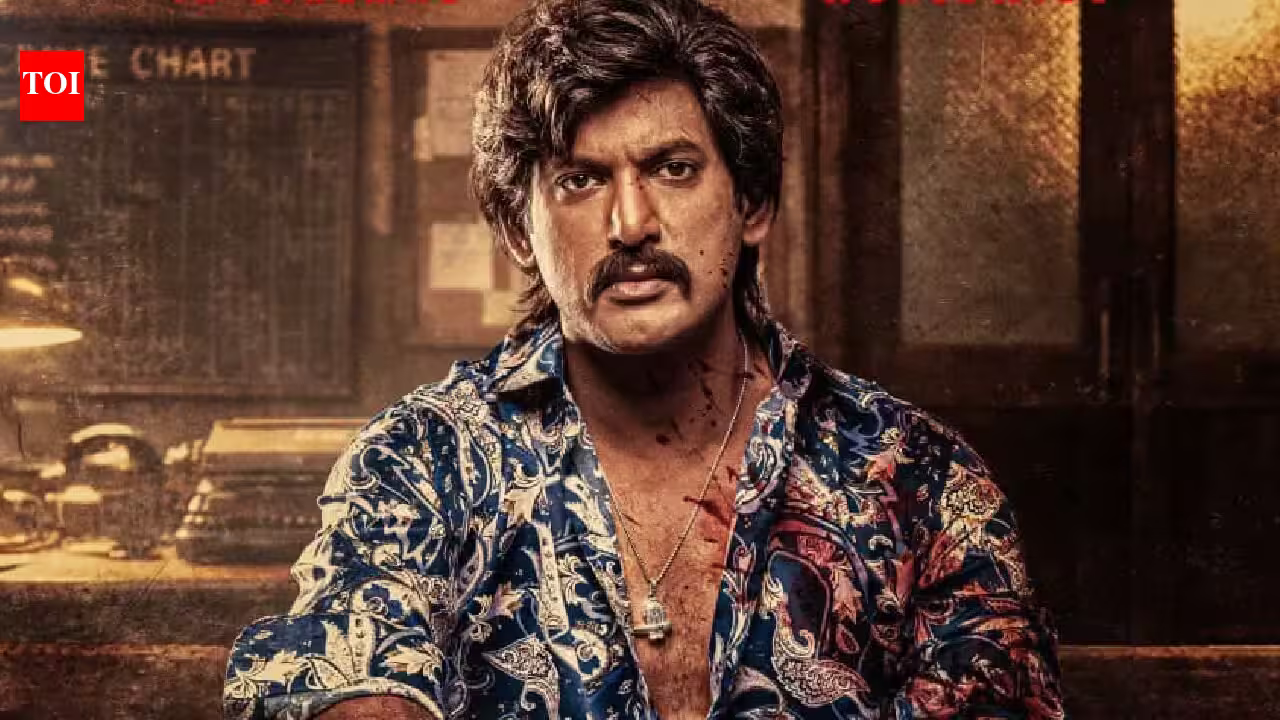









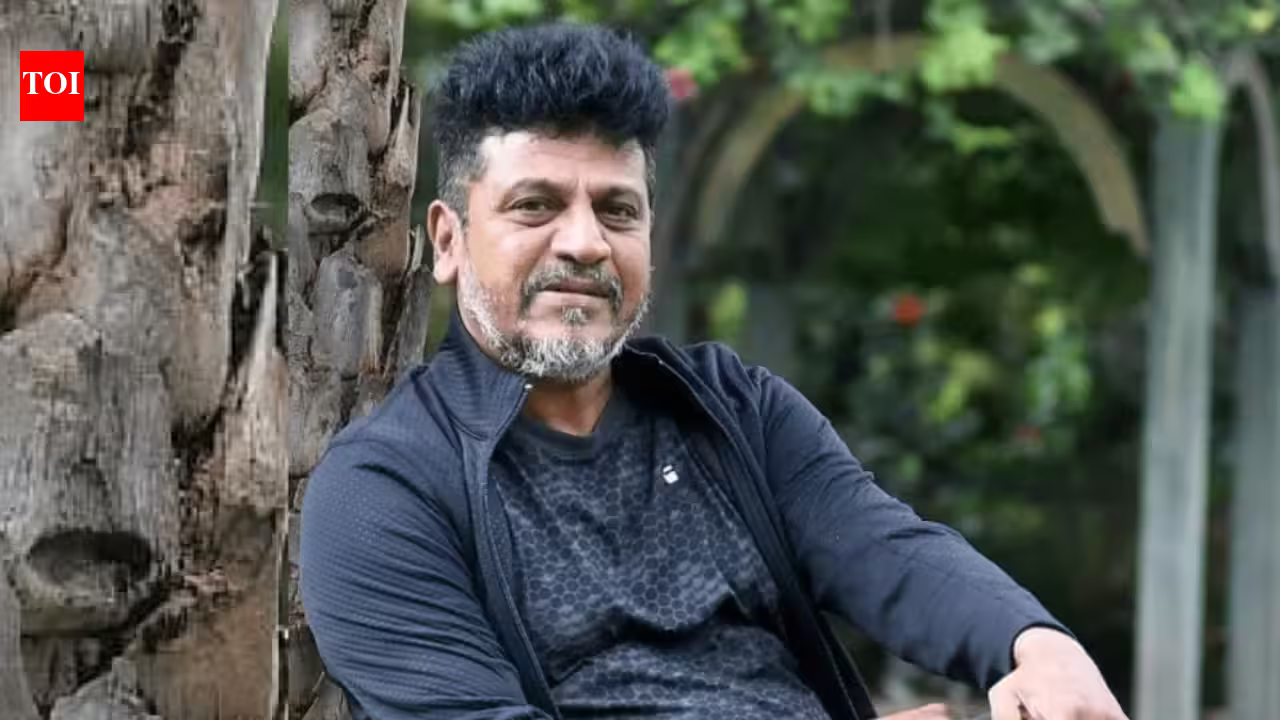
The landscape of Indian cinema is shifting, and with it, the scrutiny placed on its biggest stars. In an era where “Pan-Indian” is more than just a marketing buzzword, the cultural weight carried by actors has never been heavier. For Kannada superstar Shiva Rajkumar—a figure synonymous with the dignity and heritage of the Karnataka film industry—a recent slip of the tongue has become a sharp reminder of just how volatile the intersection of language, identity, and regional pride can be.
The veteran actor, widely revered as the “Century Star,” found himself at the epicenter of a social media firestorm this week after referring to Hindi as the “national language.” In a country where linguistic identity is deeply tied to regional autonomy and political history, the comment didn’t just ruffle feathers; it ignited a debate that forced the star into a swift, humble, and public clarification.
The Slip That Sparked a Controversy
The incident trace back to a promotional junket for his upcoming high-octane project, Original Monster. When asked about the challenges of delivering dialogues in Hindi for a wider audience, Shiva Rajkumar responded with confidence, seemingly leaning into the language’s accessibility. He remarked, “Why? Hindi is my second language. I can speak Hindi… It is an easy language, the national language. How would we not know it? We know it.”
Within minutes of the clip circulating, the reaction was immediate. While the actor’s intention was clearly to demonstrate his versatility and his willingness to embrace a broader market, the specific framing of Hindi as the “national language” struck a nerve with many who staunchly defend the status of Kannada as an official—and historically vital—language of the state. In India, where there is no official “national language” but rather a list of 22 scheduled languages, the term is a political lightning rod.
A Graceful Retraction: The “Confused” Defense
Recognizing the intensity of the pushback, Shiva Rajkumar did not wait for the situation to spiral further. In a subsequent interaction with the media, he addressed the controversy with a level of candor that is rare in the high-stakes environment of film promotion.
“I called Hindi the national language. It is one of the languages. Our language [Kannada] is important to us, always,” the actor stated, pivoting to mend the rift. “I don’t know, I got confused with one of the Indian languages. I apologise; I did not know. Their language is Hindi, our language is Kannada. Their language is important to them, and similarly, our language is important to us.”
The apology was strategic and earnest. By positioning himself as someone who simply “got confused,” he effectively de-escalated a conflict that could have painted him as being out of touch with the very audience that made him a legend. It was a masterclass in crisis management, emphasizing mutual respect rather than bowing to external pressure.
Why Language Politics Remains a Cinematic Minefield
The incident serves as a microcosm for the broader tensions within the Indian film industry. As Southern cinemas (Kannada, Telugu, Tamil, and Malayalam) continue to dominate the global box office, the “Pan-Indian” strategy often requires stars to bridge linguistic gaps. However, for actors who have built their entire careers on the bedrock of their regional identity, the pressure to maintain that local loyalty while appealing to a North Indian market is a delicate balancing act.
Fans of the Kannada film industry—often referred to as Sandalwood—are famously protective of their heritage. Any suggestion, however unintentional, that minimizes the stature of Kannada in favor of Hindi is met with fierce resistance. Shiva Rajkumar’s experience is a warning to other stars: in the current cultural climate, the word “national language” is no longer a casual colloquialism; it is a loaded political term that demands precision.
Looking Ahead: ‘Original Monster’ and Beyond
Despite this brief stumble, the focus remains on Shiva Rajkumar’s formidable lineup of work. The actor is currently in a career renaissance, proving that his appeal is not limited to any single demographic.
His upcoming project, Original Monster, directed by R. Chandru, is being touted as a gritty, visceral exploration of human nature. Set against the backdrop of the 1990s and 2000s, the film dives into themes of power, wealth, and raw violence. It is exactly the kind of high-concept, mass-appeal storytelling that has kept the actor relevant for decades.
Beyond Original Monster, the “Century Star” shows no signs of slowing down. His schedule is packed with high-profile releases, including Bail, slated for an October 2 release, followed by Dad and the intriguing 666 Operation Dream Theatre. His presence is also anticipated in the sequel to the massive hit Jailer, as well as the upcoming Picasso.
The Legacy of a Superstar
Shiva Rajkumar’s ability to move past this controversy without losing the support of his fanbase speaks volumes about his long-standing reputation. He is not merely an actor; he is an institution in Karnataka. While this week’s linguistic mishap caused a moment of genuine friction, it has also sparked a necessary conversation about the nuances of language in Indian entertainment.
As the lines between regional and national cinema continue to blur, stars will inevitably face more questions about identity and language. The lesson from this week is simple: as the industry becomes more integrated, the appreciation for the “mother tongue” must remain the priority. Shiva Rajkumar’s apology wasn’t just a PR move; it was a reaffirmation of the identity that made him a superstar in the first place. Whether he is playing a, “Original Monster” or a common man, his loyalty to the roots of his craft remains, as he put it, “always important.”
Disclaimer: This content is auto-generated for informational purposes only.
Source: Read Original News