








The UK aviation sector is in turmoil today as major airlines and industry regulators clash with National Air Traffic Services (NATS) following a significant technical failure in its flight processing system. The meltdown, which has rippled across UK and European airspace, has forced the cancellation of nearly 1,000 flights, leaving tens of thousands of passengers stranded and prompting calls for the immediate resignation of the ATC provider’s leadership.
The disruption, which impacted key hubs like Heathrow and Gatwick, has reignited long-standing debates regarding the reliability of the UK’s critical national infrastructure and the pace at which modern, AI-driven, and automated systems are being integrated into air traffic management.
## Mounting Pressure for Leadership Changes
The backlash from the low-cost carrier sector has been swift and aggressive. Ryanair, which reported that over 65,000 of its passengers were negatively impacted by the grounding of 50 flights, led the charge in demanding accountability. Neal McMahon, Ryanair’s chief operating officer, launched a scathing attack on NATS chief executive Martin Rolfe, labeling him an “overpaid failure” and urging him to step down.
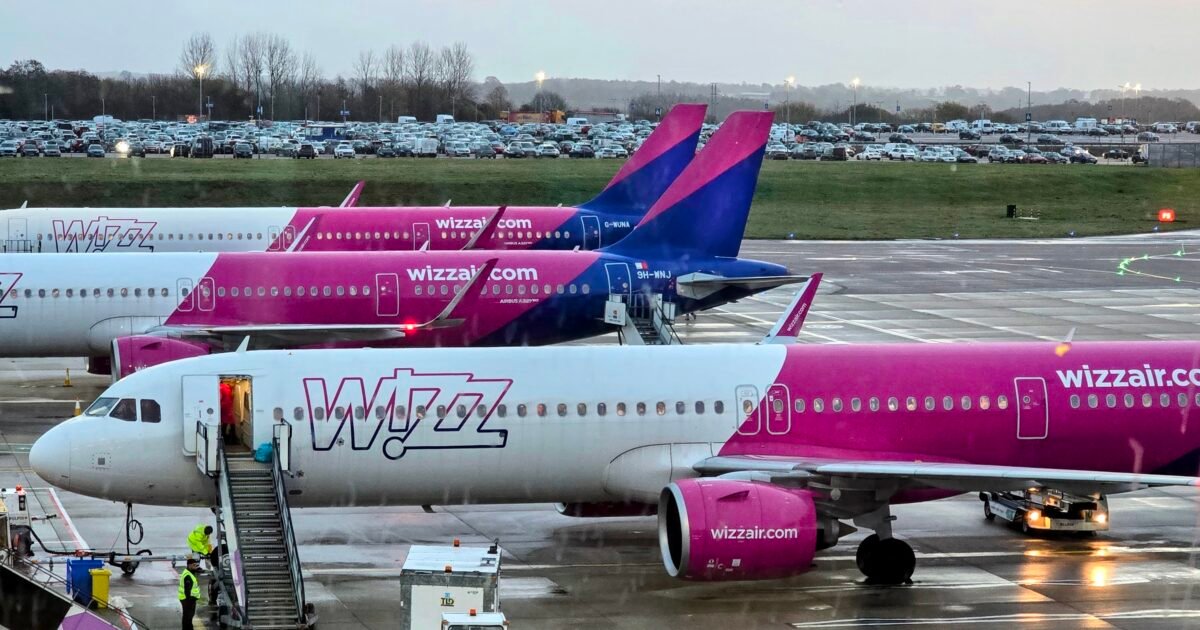
McMahon argued that the industry is seeing a repeat of the “catastrophic” 2023 meltdown, noting that despite NATS increasing its fees, service levels have deteriorated. Wizz Air echoed these sentiments, suggesting that the current iteration of the air navigation service provider is “not fit for purpose.” EasyJet, which saw 200 of its flights cancelled, is currently managing the fallout by providing hotel accommodations and refunds to frustrated travelers, though the scale of the disruption has strained customer service resources across the board.
## Technology and System Resilience Under Fire
At the heart of the crisis is a systemic failure in the software used to process flight data. This incident has raised difficult questions about how NATS manages its digital architecture. Following the 2023 collapse—where a rogue flight plan triggered a full-system shutdown—an independent review by the Civil Aviation Authority (CAA) issued 34 recommendations for operational reform.
Critics and aviation analysts are now questioning why those safeguards did not prevent this week’s outage. While NATS CEO Martin Rolfe defended the response, stating that expert engineers were on-site to address the fault as quickly as possible, the incident highlights a broader industry anxiety: the difficulty of upgrading “legacy” backend infrastructure while maintaining real-time safety.
Observers in the tech industry note that as air traffic management increasingly relies on cloud-based processing and complex software algorithms to handle the growing volume of global travel, the margin for error shrinks. The reliance on centralized flight processing systems means that even minor bugs can trigger, as witnessed here, a national-level standstill.
## Government Intervention and Regulatory Scrutiny
In response to the chaos, Transport Secretary Heidi Alexander has summoned NATS executives for an urgent hearing to explain the failure and provide assurances that future systems will be “up to the job.” The government’s intervention comes as Whitehall faces mounting pressure to clarify whether NATS is truly capable of managing the UK’s airspace or if stricter, more aggressive regulatory oversight—perhaps involving AI-driven predictive monitoring—is required to prevent a third major failure.
The Civil Aviation Authority has already requested an exhaustive technical dossier from NATS. This report will serve as the centerpiece of a formal investigation to determine if the provider breached its operating license. For the thousands of passengers still facing delays and the airlines grappling with the logistical nightmare of repositioning crews across Europe, the priority remains a swift return to normalcy. However, the political and professional fallout for the leadership of the UK’s air traffic control body is only just beginning, with many industry stakeholders signaling that the era of patience for technical “glitches” has officially come to an end.
Disclaimer: This content is auto-generated for informational purposes only.
Source: Read Original News