









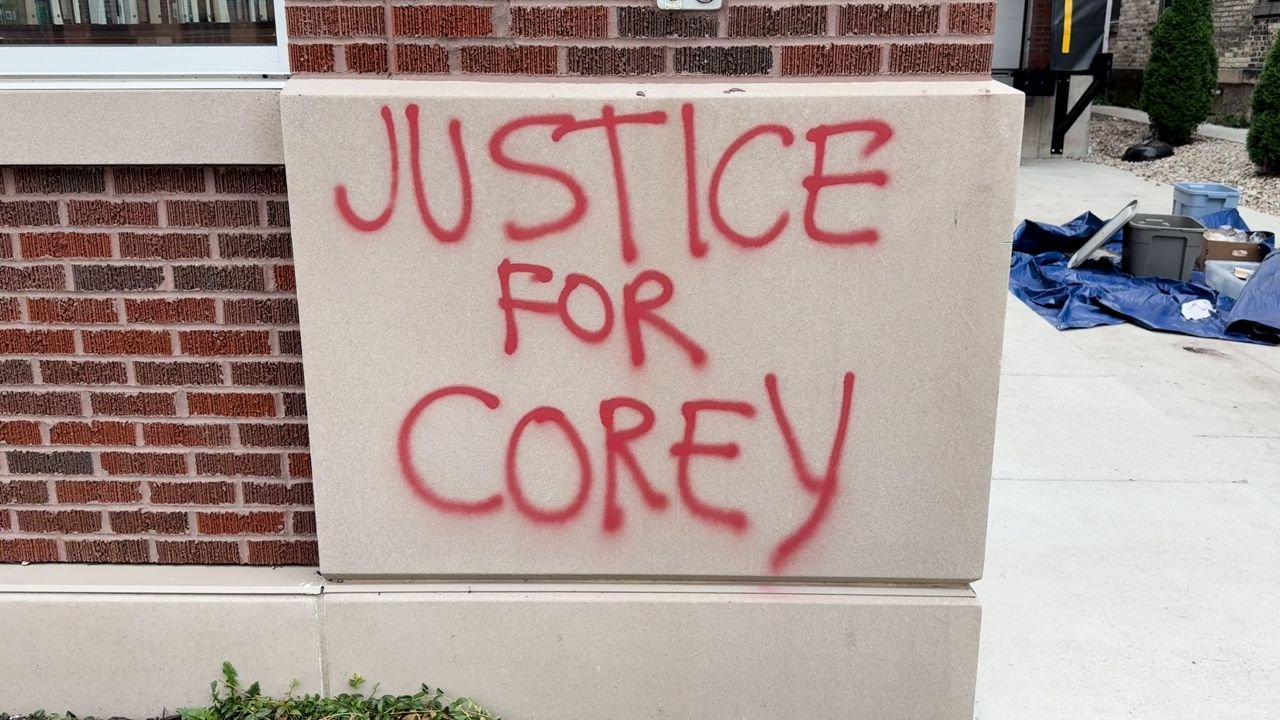
MADISON, Wis. — The Madison Common Council delivered a double blow to city recovery and oversight efforts this week, voting down two distinct funding measures that supporters argued were essential for local stability. The rejected proposals sought to provide financial relief to businesses impacted by a deadly officer-involved shooting and to boost the budget for the Office of the Independent Police Monitor.
The decisions have sparked a heated debate regarding the city’s fiscal responsibility and its commitment to community accountability, with proponents of the measures warning that the council’s lack of action could have long-term consequences for the city’s economic and social fabric.
## Fallout for Willy Street Businesses
The rejection of the business relief fund has sent a wave of concern through the Willy Street Marquette Business Alliance. The proposal was designed to assist establishments still grappling with the economic aftermath of the summer shooting involving Corey Ruiz.
Dell Lorensen, vice president of the alliance, issued a stark warning following the vote, suggesting that the city’s refusal to intervene could lead to permanent closures. “We’re going to lose businesses over the next couple of months because of the lack of support,” Lorensen said, emphasizing that the decision threatens the livelihoods of hundreds of employees in the district.
However, District 9 Alder Joann Pritchett, who spearheaded the opposition, contended that the city must prioritize fiscal discipline. During the deliberations, Pritchett argued that the businesses in question were already facing financial instability prior to the summer’s events, suggesting that taxpayer funds would not be an effective or responsible solution for their underlying issues.
## Controversy Over Police Oversight
The council’s budget session also saw the defeat of a funding request for Independent Police Monitor Aeiramique Glass. The motion was soundly rejected with 12 votes against, seven in favor, and one abstention.
Pritchett, a vocal opponent of the request, criticized the output of the monitor’s office, specifically targeting the quality of reports produced by Glass. During the meeting, she pantomimed tearing up documents, signaling her disapproval of the office’s professional standards and their methodology in reviewing police conduct. Pritchett further voiced concerns regarding what she described as “too much hatred” directed toward law enforcement within the city’s current discourse. Glass, when reached for comment, declined to provide a statement as she was out of town.
## Accountability and the Role of City Governance
For some observers, the dual rejection of these funding measures is not a coincidence but a signal of shifting priorities within City Hall. Lorensen suggested that both decisions point to a broader issue of accountability within local government.
“Where the intersection is with the city not funding the Business Relief Fund and not funding the Office of the Independent Monitor, the commonality there is accountability,” Lorensen stated.
As Madison moves forward, the divide within the council remains palpable. While some officials like Pritchett are calling for more “creative” and less traditional problem-solving strategies, community advocates fear that the rejection of these specific funds signals a retreat from supporting vulnerable local interests.
The debate highlights the ongoing tension between fiscal austerity and the role of government in social support. As the city looks toward the next budget cycle, the question of how to balance taxpayer resources with the demand for police oversight and local business stability is expected to remain a central issue in the Madison political landscape. City leadership is now under pressure to prove that it can address these community challenges without relying on the specific funding channels that were recently dismantled by the council.
Disclaimer: This content is auto-generated for informational purposes only.
Source: Read Original News