






The Telugu film industry is no stranger to experimental rural dramas, but when a high-concept thriller hits the big screen, expectations inevitably skyrocket. Such was the case with Maremma, the latest action-drama that aimed to blend regional folklore with a gripping investigative narrative. Directed by Manchala Nagaraj and marking the theatrical debut of Maadhav Bhupathiraju—nephew of superstar Ravi Teja—the film arrived in cinemas on September 10 with a premise that promised both cultural depth and cinematic tension. However, if the early buzz from social media is any indication, the road from “promising concept” to “theatrical success” was paved with significant narrative potholes.
The Weight of Expectation: A Debut Under the Microscope
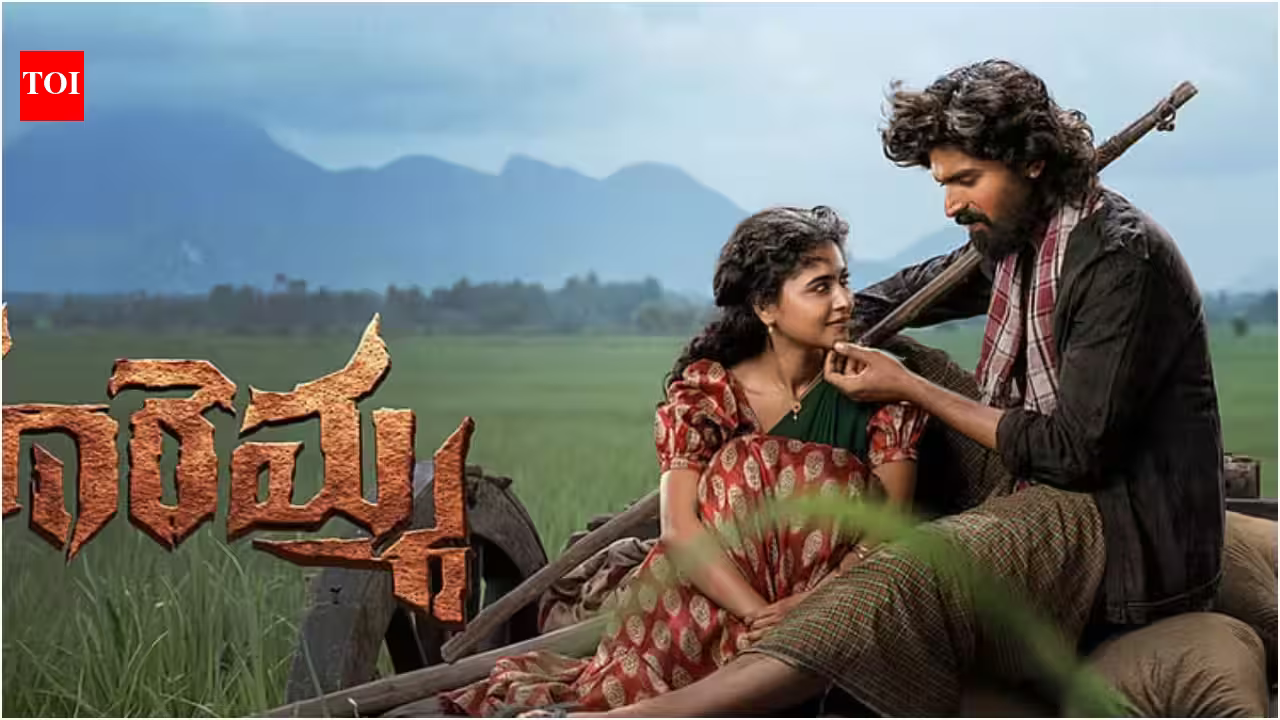
For any newcomer, a debut is a defining moment, and Maadhav Bhupathiraju certainly didn’t choose the easy route. By stepping into a rural thriller centered on faith and mysterious village crises, Bhupathiraju signaled an intent to be taken seriously as a performer rather than just another star kid. In Maremma, he portrays Mari, a simple cattle herder whose life—and his community—is thrown into chaos when a sacred bull belonging to the deity Maremma Thalli goes missing.
While the industry often looks to the next generation of actors to carry the torch, Bhupathiraju’s first outing has been met with a mixed, and at times harsh, reception. Critics on social media have pointed out that while he possesses the physical screen presence required for a lead, the nuance of his performance struggled to bridge the gap between his character’s motivation and the audience’s emotional investment.
When Plot Hooks Fail to Reel in the Audience
The fundamental tragedy of Maremma lies in its “good on paper” premise. Rural Telangana, steeped in its unique traditions, songs, and superstitious folklore, provides a rich tapestry for a thriller. Yet, the consensus among early viewers is that the writing failed to weave these threads into a coherent, compelling narrative.
One reviewer on X (formerly Twitter) didn’t mince words, labeling the project a “forgettable and disappointing watch.” The criticism centered on a recurring issue in modern independent cinema: prioritizing high-concept visuals or ideas without laying the groundwork for a solid script. “A decent concept is let down by WEAK writing, POOR execution, and UNDERWHELMING performances,” the post read. For a genre that relies heavily on pacing and mystery, the inability to sustain engagement suggests that the film’s “sacred” stakes never quite felt urgent to those sitting in the theater.
Production Value and the “TV Serial” Critique
Perhaps the most damaging feedback for a feature film is the claim that it lacks the cinematic polish expected of a theatrical release. Visual presentation is the first thing an audience notices, and Maremma appears to have stumbled here as well. Several viewers drew unfavorable comparisons to television serials, noting that the cinematography and overall aesthetic lacked the “big screen” sheen needed to elevate the story.
When a viewer asks, “Are they even making a feature film or is this a short film?” it signals a breakdown in the audience’s suspension of disbelief. In a world where high-quality production is increasingly accessible, failing to deliver a polished visual product makes it difficult for a film to command the attention of a paying audience, regardless of how well-intentioned its message might be.
Second-Half Struggles and Structural Flaws
The structure of Maremma seems to be its final undoing. While the first half of the film introduces the village, its traditions, and the mystery of the missing buffalo, the second act reportedly loses its way. A common refrain among critical reviews is that once the hunt for the animal begins, the narrative loses its urgency.
One detailed critique noted that the “antagonist track and witchcraft portions” failed to provide the necessary tension to keep the audience on the edge of their seats. Instead of building toward a cathartic climax, the film reportedly drags, becoming “bland, repetitive, and painfully slow.” This pacing issue is lethal for a thriller, as it turns what should be a pulse-pounding mystery into a tedious exercise in waiting for the end credits. Despite some praise for Deepa Balu’s convincing portrayal of a village belle and the incorporation of authentic Telangana cultural elements, the film ultimately lacked the clarity of vision to connect the dots.
Can the Concept Be Salvaged?
Despite the critical drubbing, the conversation surrounding Maremma highlights a vital lesson for emerging filmmakers: a unique premise is merely the foundation, not the structure. The film attempted to tap into the “rural noir” trend that has seen success in other corners of the Indian film industry, but it lacked the sharp, tight screenwriting required to execute it.
As of now, the verdict from the Twitterverse remains overwhelmingly cautious. While Maadhav Bhupathiraju may have marked his official entry into the industry, Maremma will likely be remembered more as a “what could have been” project rather than a breakout hit. For the team behind the film, the takeaway is clear: in an era of discerning viewers, the script must be the star. Without a compelling narrative to anchor the beautiful landscapes and cultural songs, even the most promising concept runs the risk of being lost in the wilderness of a crowded release calendar. As the audience feedback settles, the challenge for the cast and crew will be to learn from these critiques and apply them to their future endeavors—a necessity in the unforgiving spotlight of the Telugu film industry.
Disclaimer: This content is auto-generated for informational purposes only.
Source: Read Original News