







The Shift Toward Multimodal Wearables
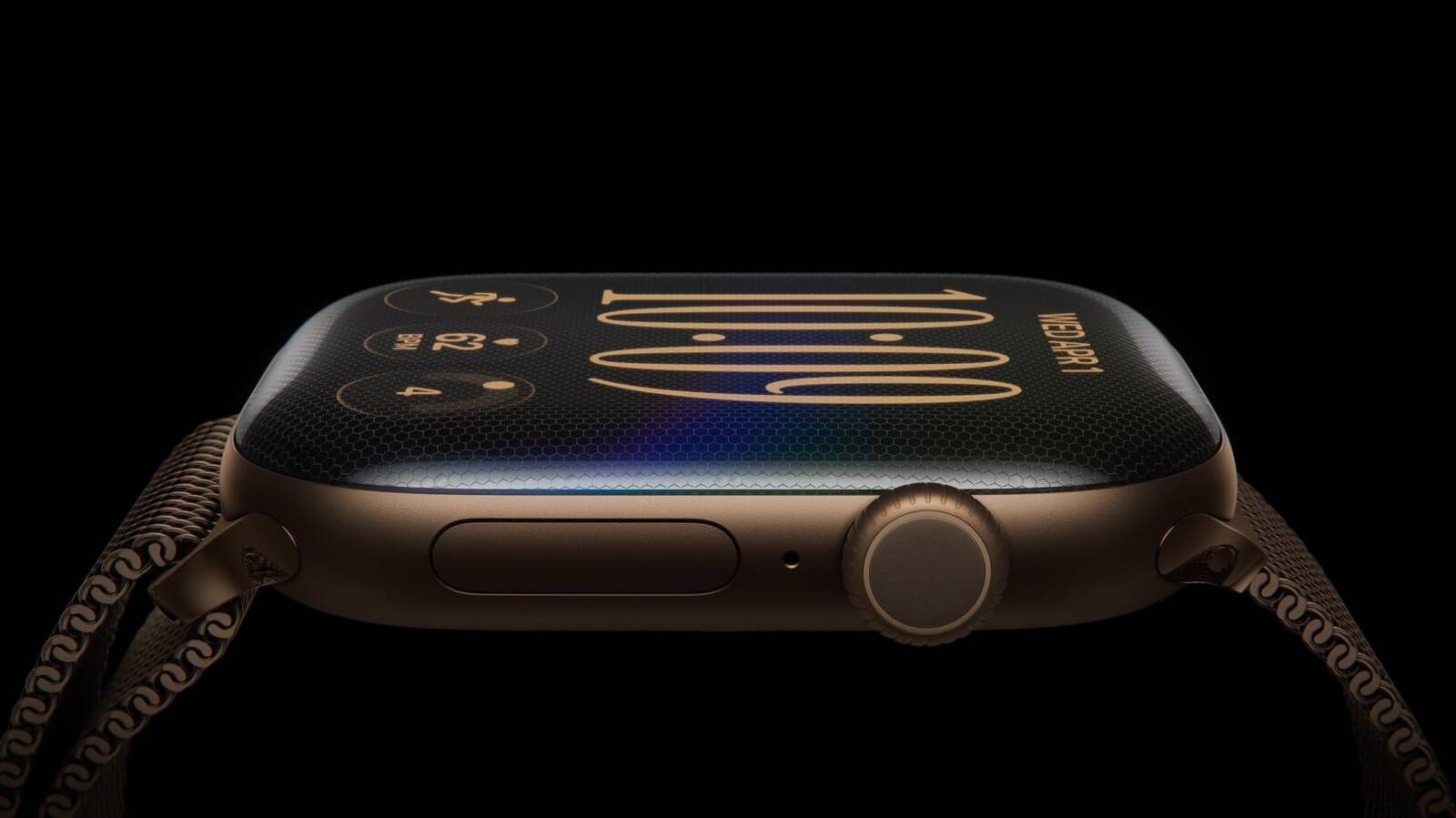
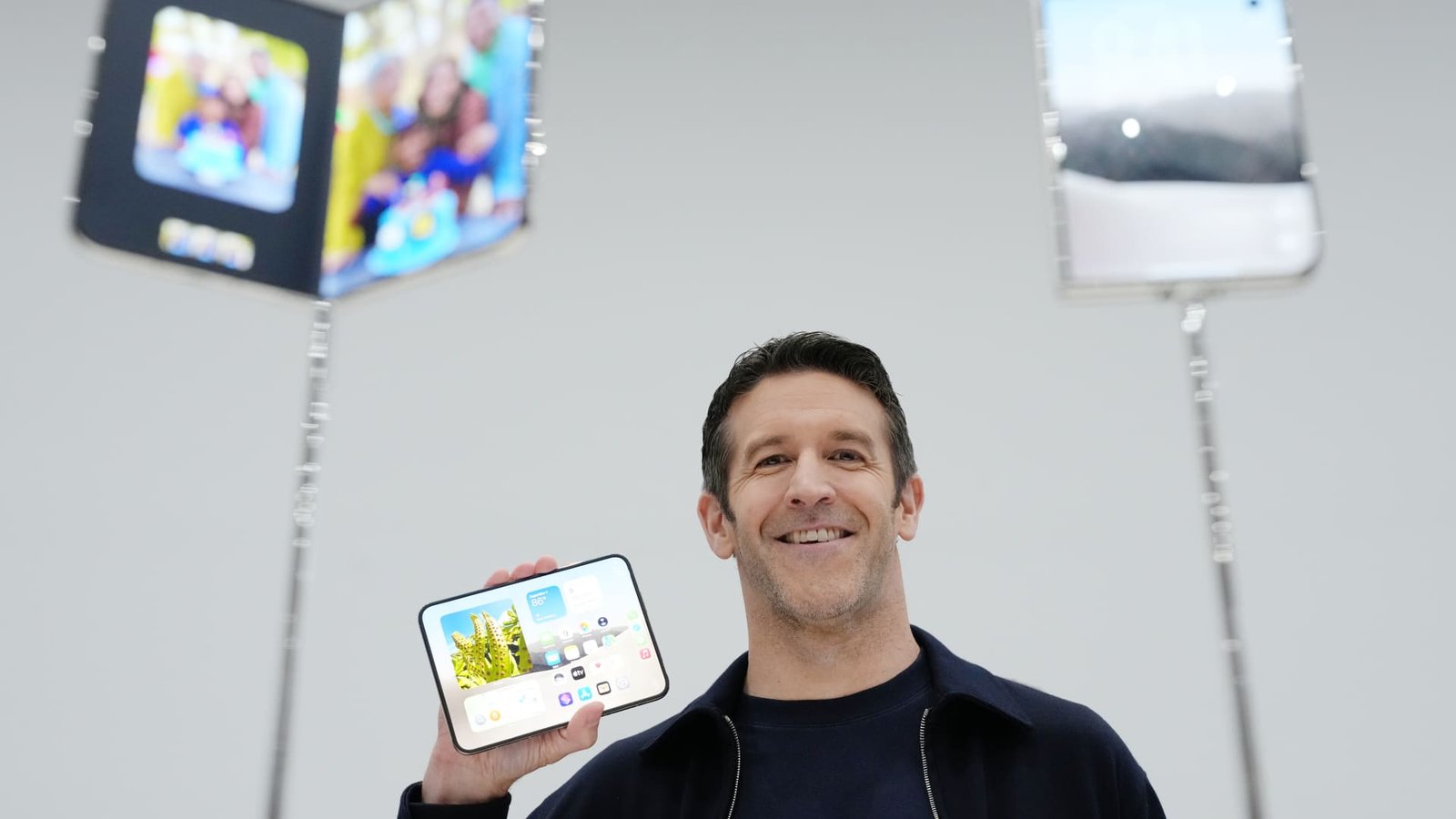
Apple’s latest product event marked a significant turning point in the company’s hardware strategy. The unveiling of the iPhone Duo, Apple’s first foldable device, alongside the high-performance iPhone 18 Pro and Pro Max, set a high bar for mobile innovation. Simultaneously, the company updated its wearable ecosystem with the AirPods 5—now featuring active noise cancellation—and brought the new Siri Recap functionality to the Watch Series 12 and Watch Ultra 4. While these announcements showcased iterative growth in processing power and audio fidelity, the underlying theme of the event was the integration of ambient intelligence into everyday devices.
However, the most notable aspect of the event was the absence of a long-rumored product: the camera-equipped AirPods. Reports indicate that this development cycle has been extended, with market entry delayed until at least 2027. This postponement provides a necessary window to evaluate the implications of integrating visual sensors into intimate, wearable personal audio devices.
The Privacy Dilemma of Constant Capture
The concept of integrating cameras into earbuds introduces profound privacy concerns. Unlike smartphones, which are intentionally retrieved from a pocket or bag to perform a specific task, earbuds are designed to be worn for extended periods, often becoming an extension of the user. When a device is mounted on the body, the distinction between a private recording session and passive observation becomes blurred.
Industry history suggests that LED indicators are insufficient in deterring unauthorized or surreptitious recording. If these devices reach the public, they could be taken into sensitive environments where recording is strictly prohibited. The social friction caused by pervasive, body-worn cameras is already evident in the discourse surrounding existing smart glasses. Entrusting a company with a device that possesses a constant view of the user’s surroundings requires a high degree of confidence that the technology will be used exclusively for the intended benign purposes.
Visual Intelligence and On-Device Processing
Apple’s current technical vision for camera-enabled wearables is centered on “Visual Intelligence.” The company’s intent, according to prevailing reports, is not to store or transmit video feeds in the traditional sense. Instead, the cameras are meant to function as spatial sensors for the Siri AI. By processing visual data, these devices could theoretically assist users with turn-by-turn navigation, object recognition—such as identifying books or printed signage—and interpreting complex physical environments.
To mitigate security risks, Apple has emphasized its approach to Audio Intelligence on the latest Watch models. The architecture for this system is designed to ensure that audio data is not stored or made accessible to the company. The Siri Recap feature, which generates summaries of interactions, operates under a strict privacy protocol where even Apple maintains no access to the underlying data. If this logic extends to visual sensors, all metadata captured would be processed locally on the device and secured with end-to-end encryption. While this technical barrier provides a layer of protection, the core issue of public perception and potential exploitation of the hardware remains a significant hurdle.
Technical Challenges and Physical Limitations
Beyond privacy and security, the hardware implementation of cameras in earbuds faces substantial physical challenges. Earbuds are subject to obstructions that range from hairstyles and headwear to simple body positioning. A camera integrated into a small, ear-mounted housing may struggle to maintain a consistent line of sight. These physical constraints could explain the reported delay in development, as engineers work to determine if a camera-equipped wearable can remain functional across a diverse range of user profiles and environmental conditions.
The shift toward sensor-dense wearables reflects a broader industry movement. By embedding sensors that monitor the environment, manufacturers are attempting to transition from passive tools to proactive assistants. Whether these devices can overcome the practical limitations of physical interference while maintaining a thin profile is a hurdle that may take years to resolve.
Potential for Accessibility and Situational Awareness
Despite the valid concerns regarding privacy and social norms, the technical potential for accessibility improvements is significant. For individuals with visual impairments, a system capable of interpreting surroundings and providing real-time audio feedback could be life-changing. Similarly, users with hearing loss could benefit from features that identify speakers in a room and focus microphones or visual indicators on the person currently talking, greatly increasing speech intelligibility in noisy environments.
If these technologies are implemented with a focus on accessibility rather than mass-market monitoring, they could represent a leap forward for inclusive design. The challenge for Apple and other hardware manufacturers will be finding the balance between these advanced diagnostic capabilities and the fundamental human right to privacy in public spaces. As the company continues to refine its Audio Intelligence and prepares the groundwork for visual sensors, the industry will remain in a state of transition—waiting to see if these tools become indispensable aids or invasive liabilities.
Disclaimer: This content is auto-generated for informational purposes only.
Source: Read Original News