







India Accelerates Biofuel Push to Counter Soaring Crude Oil Import Costs
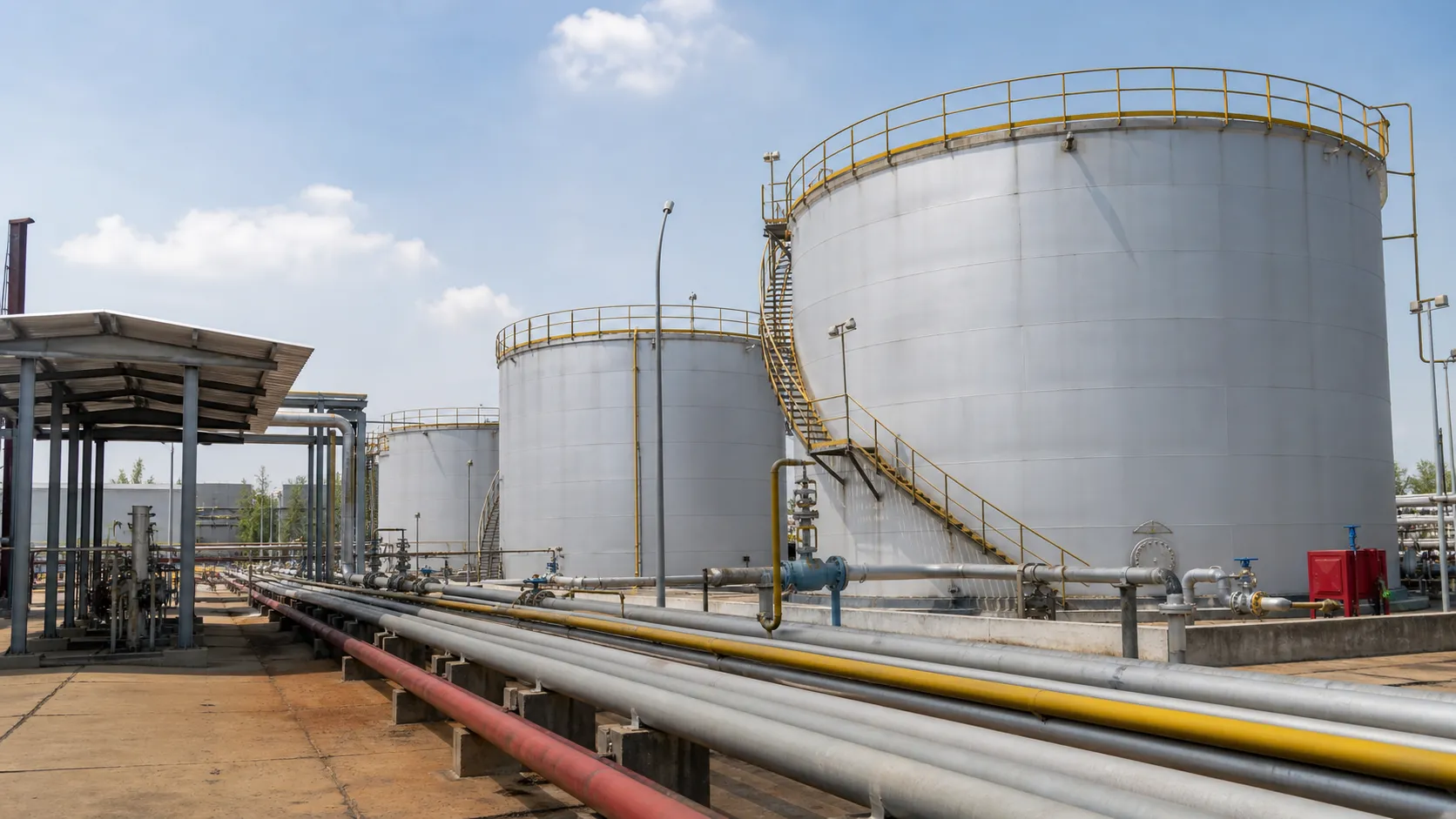
As global oil prices witness a sharp ascent, India is aggressively pivoting toward a self-reliant energy strategy centered on the rapid expansion of biofuels. With the nation standing as the world’s third-largest crude oil importer, government officials are emphasizing that a massive scale-up in the production and consumption of ethanol and compressed biogas is no longer just an environmental goal, but a fundamental pillar of national energy security.
Strategic Shift in Energy Policy
Tarun Kapoor, an adviser in the office of the Prime Minister of India, recently underscored this urgency at the India Sugar and Bio-Energy Conference. Kapoor called for a comprehensive utilization of the country’s diverse natural resources to drive the biofuel sector forward. The government’s mandate is clear: India must maximize its existing production capacity while simultaneously opening new frontiers for bio-energy applications in the transport, industrial, and power sectors.
This push comes as the Indian economy grapples with the fallout of volatile international energy markets. Historical reliance on Middle Eastern crude oil—which historically accounted for nearly half of India’s imports—has left the country vulnerable to regional instabilities. As shipping risks persist, particularly around critical maritime bottlenecks like the Strait of Hormuz, the cost of sourcing alternative supplies has placed a significant strain on the national exchequer.
The Economic Burden of Rising Prices
The fiscal impact of the current energy landscape is stark. Recent data indicates that the average price of oil imported by India has breached the $100 per barrel mark, a threshold not seen consistently since mid-year. During the April–June quarter, India’s expenditure on crude imports surged by 60% compared to the same period in the previous year, despite a relative stabilization in the total volume of imports. Similar trends were observed in July, where the import bill climbed by 41% year-on-year, highlighting the inflationary pressure exerted by the global market.
Advancing Low-Carbon Mobility
In a move to mitigate these mounting costs, the Indian government is doubling down on the adoption of high-blend ethanol fuels. In June, authorities introduced a fuel blend featuring 85% ethanol as a primary component of a national program aimed at promoting flex-fuel vehicles.
Union Minister for Petroleum and Natural Gas, Hardeep Singh Puri, has championed this initiative, noting that the transition to flex-fuel technology offers a triple benefit: it significantly reduces the dependence on foreign crude, provides a robust stimulus to the rural agrarian economy through increased demand for ethanol feedstocks, and accelerates the country’s commitment to low-carbon mobility.
By transitioning away from conventional fossil fuels toward home-grown alternatives, New Delhi intends to decouple its economic growth from the volatility of global oil benchmarks. As the government continues to refine its policy framework, the integration of bio-energy into the mainstream fuel supply is set to play a decisive role in shaping India’s energy future, insulating the economy from external supply shocks while fostering domestic industrial growth.
Disclaimer: This content is auto-generated for informational purposes only.
Source: Read Original News