









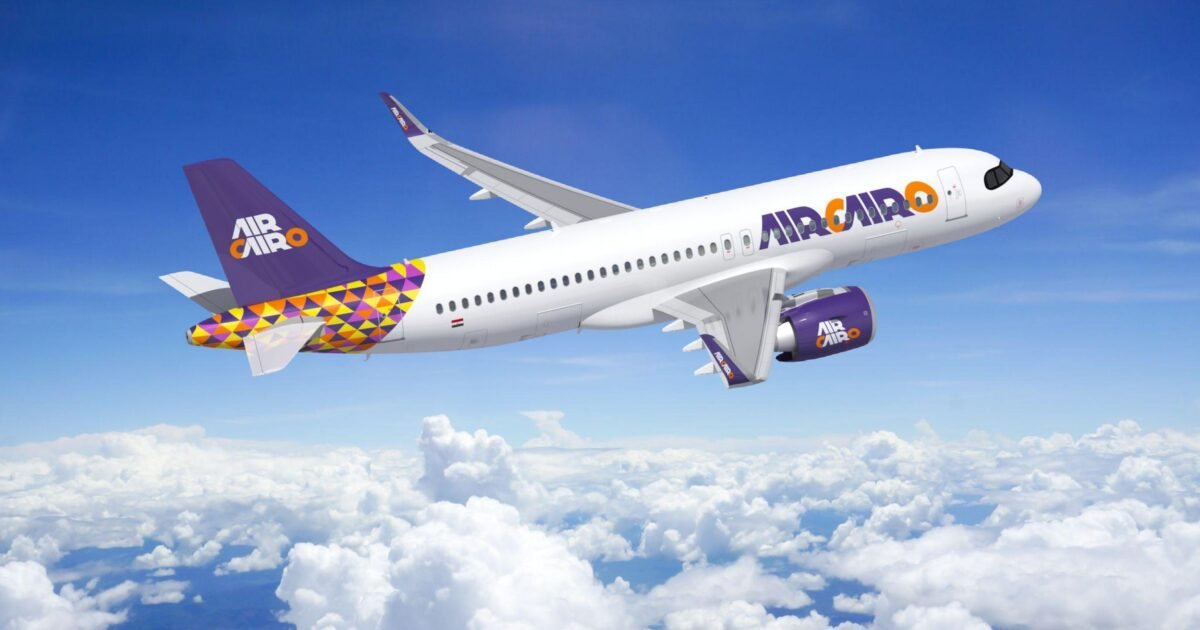
The aviation industry is undergoing a seismic shift as major technology players, led by Google, integrate artificial intelligence and cloud computing to redefine the passenger experience and operational efficiency. As global travel demand reaches pre-pandemic levels, the convergence of aeronautics and big data is moving from experimental pilots to core infrastructure.
The AI Revolution in Air Traffic Management
Artificial Intelligence is no longer just a buzzword in aviation; it is becoming the backbone of operational resilience. Google Cloud has been at the forefront of this transformation, providing the machine learning capabilities necessary for airlines to predict disruptions before they occur. By analyzing vast datasets—including weather patterns, historical flight delays, and crew availability—Google’s AI models are helping major carriers optimize flight paths in real-time.
This shift is particularly critical for reducing fuel consumption and carbon emissions. Through predictive analytics, airlines can calculate the most fuel-efficient altitudes and speeds, a process that once took hours of manual computation. By leveraging Google’s Tensor Processing Units (TPUs), companies are now processing these variables in milliseconds, allowing for dynamic re-routing that avoids congestion and minimizes “air holding” patterns, which are significant contributors to aviation-related pollution.
Personalization through Google’s Ecosystem
For the average traveler, the digital transformation is becoming visible through the deep integration of Google’s suite of services within the travel journey. Google Flights has evolved from a simple search tool into a robust forecasting engine. By utilizing historical pricing data and AI-driven predictive modeling, the platform now informs users when ticket prices are likely to rise or fall, changing consumer behavior in real-time.
Furthermore, the expansion of Google Maps’ live transit and airport indoor navigation is simplifying the complex “door-to-gate” experience. With indoor positioning technology and AI-enhanced real-time updates, travelers can now navigate massive hubs like Heathrow or JFK with unprecedented ease. This integration also extends to customer service; many global airlines are currently migrating their legacy contact centers to Google’s Contact Center AI (CCAI). This allows virtual agents to handle complex rebooking tasks, multi-lingual support, and baggage inquiries, effectively reducing the pressure on human ground staff during peak travel seasons.
Data Security and Future Infrastructure
As the aviation sector becomes increasingly digitized, the risk landscape evolves. The integration of high-level AI necessitates robust cybersecurity protocols. Google’s commitment to “secure by design” architecture is now a key consideration for aviation firms choosing cloud partners. By migrating sensitive flight data, reservation systems, and passenger profiles to highly encrypted cloud environments, airlines are protecting themselves against sophisticated ransomware threats that could otherwise ground entire fleets.
Looking ahead, the industry is eyeing the potential of quantum computing and advanced satellite imagery—areas where Google continues to invest heavily—to further improve autonomous air traffic control systems. These technologies promise to automate communication between aircraft and towers, potentially removing the risk of human error during dense traffic periods.
The partnership between Silicon Valley and the aerospace sector is clearly deepening. As airlines pivot toward a “software-first” mentality, Google is positioning itself as the primary engine driving this transition. From the way a flight is booked on a smartphone to the AI-optimized path it takes across the Atlantic, the modern flying experience is being written in code. For passengers, the result is a more reliable, personalized, and efficient journey, while for the industry, it marks the beginning of an era where operational excellence is defined by the quality of data-driven insights.
Disclaimer: This content is auto-generated for informational purposes only.
Source: Read Original News