







India Prepares for High-Stakes BRICS Summit Amidst Regional Tensions
New Delhi is set to host the upcoming BRICS leaders’ summit on September 12–13, an event that carries significant geopolitical weight as the bloc grapples with the fallout of the ongoing conflict in Iran. As the host nation, India finds itself at the center of a diplomatic tightrope walk, attempting to foster unity within an expanded organization that is increasingly divided by regional hostilities.
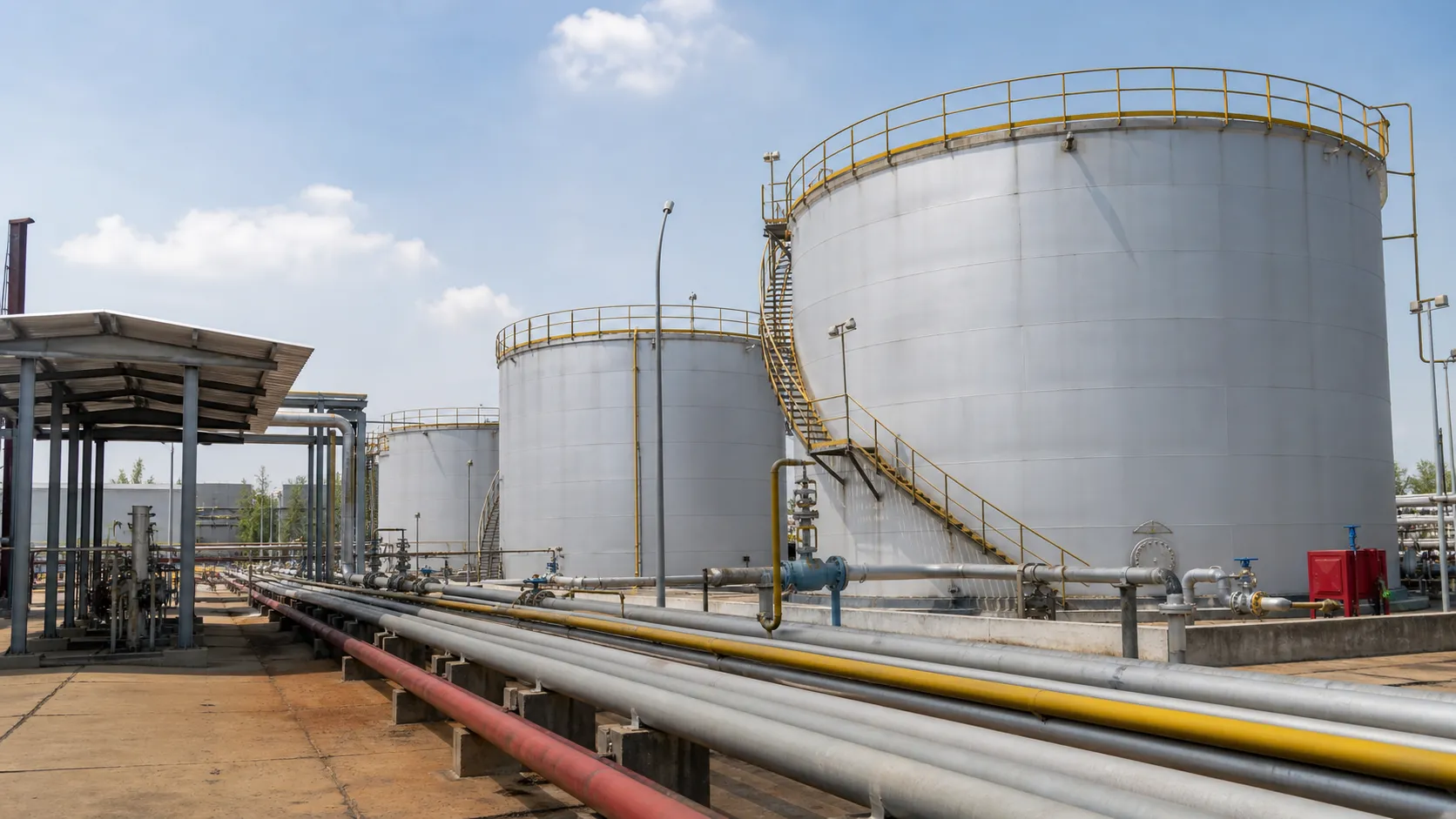
The summit takes place against a backdrop of severe instability. Over the past six months, the military campaign involving the United States, Israel, and Iran—a member of BRICS since 2024—has fundamentally altered the regional landscape. The conflict has severely disrupted shipping through the Strait of Hormuz, a critical artery for global energy supplies, driving oil prices beyond the $100-per-barrel mark and causing international economic anxiety.
The Challenge of Bloc Unity
The presence of both Iran and the United Arab Emirates (UAE) within the BRICS framework has created a diplomatic impasse. Tensions escalated significantly in August when the UAE suspended all trade and financial operations with Tehran following Iranian missile strikes. This friction has cast a long shadow over the preparations for the summit, particularly regarding the drafting of a joint declaration.
Kremlin spokesperson Dmitry Peskov acknowledged the difficulty of the situation, noting that the contradictions between these two key members have hindered the creation of a consensus document. Despite these hurdles, organizers remain hopeful that a mutually acceptable formula can be found. The challenge is not new; in May, BRICS foreign ministers were unable to issue a joint statement in New Delhi due to the same fundamental disagreements. Experts, including Michael Kugelman of the Atlantic Council, have noted that while the expansion of BRICS has undeniably grown its global influence, the ideological and geopolitical diversity of new members risks undermining the bloc’s effectiveness, as all major decisions require unanimous agreement.
High-Level Diplomacy and Bilateral Focus
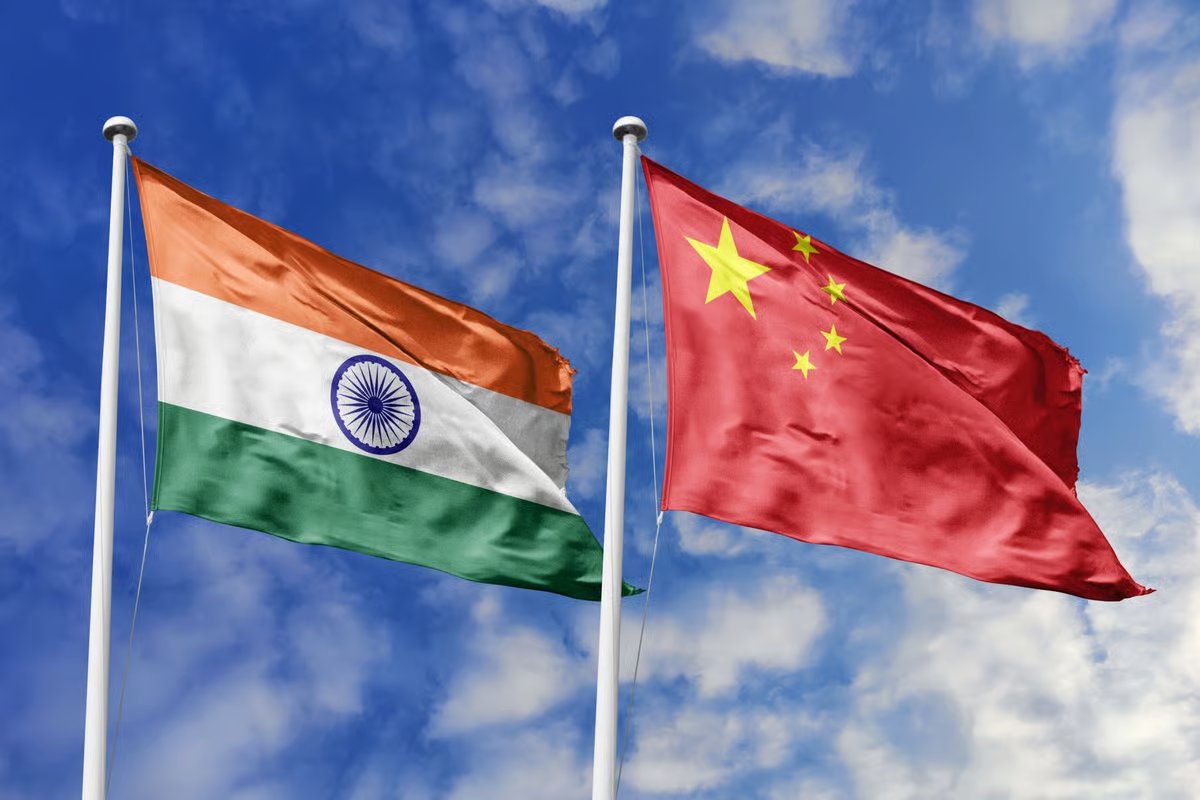
The summit is expected to draw a significant lineup of global leaders, highlighting the importance placed on this year’s assembly. Notably, Chinese President Xi Jinping is scheduled to visit India for the first time in seven years, a visit that observers are watching closely for signs of a thaw in bilateral relations.
Other key attendees include Russian President Vladimir Putin, Iranian President Masoud Pezeshkian, South African President Cyril Ramaphosa, Egyptian President Abdel Fattah el-Sisi, and Indonesian President Prabowo Subianto. United Nations Secretary-General António Guterres is also expected to participate, underscoring the international significance of the discussions. The UAE will be represented by Abu Dhabi Crown Prince Sheikh Khaled bin Mohamed bin Zayed Al Nahyan.
A major focus of the summit will be the series of bilateral meetings scheduled on the sidelines. Prime Minister Narendra Modi is slated to hold high-level talks with both President Xi and President Putin. According to the Kremlin, the meeting with Putin will precede the formal summit proceedings, with discussions centered on reinforcing trade and economic cooperation between New Delhi and Moscow.
As the world watches, the New Delhi summit will serve as a definitive test for BRICS. The bloc must now decide whether it can move beyond its internal divisions to present a cohesive vision for the future, or whether the competing interests of its members will permanently stifle its capacity to act on the global stage.
Disclaimer: This content is auto-generated for informational purposes only.
Source: Read Original News