







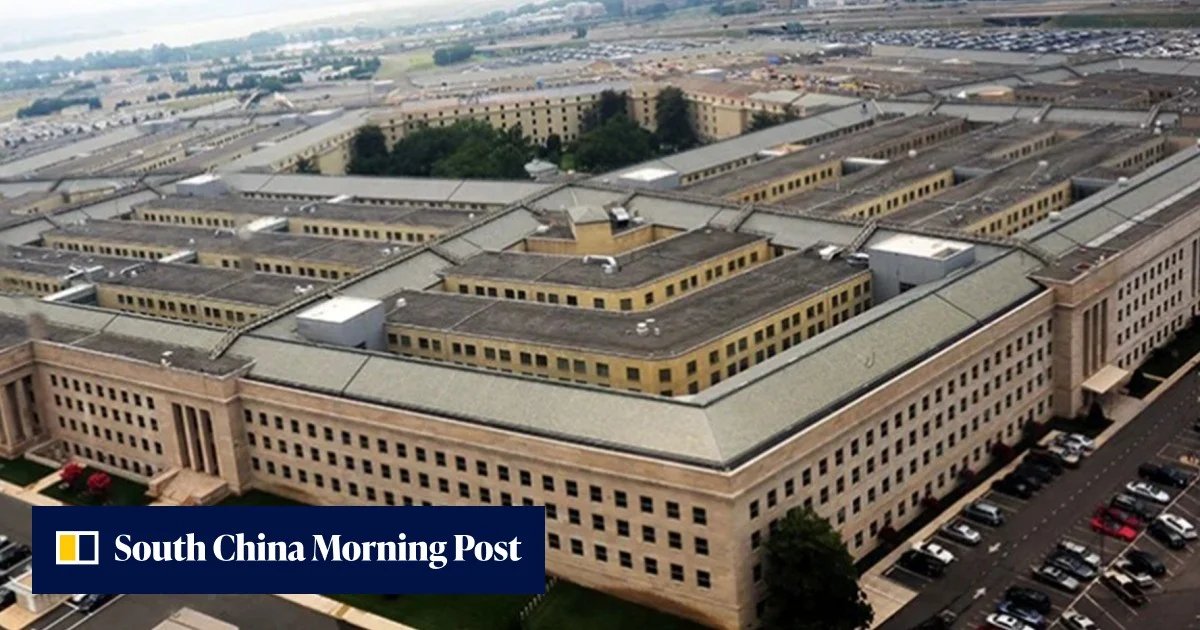
BEIJING – In a significant move signaling a cautious effort to maintain military communication channels, the United States will be represented at the upcoming Xiangshan Forum by Cynthia “Xanthi” Carras, the Pentagon’s principal director for China policy, sources familiar with the matter have confirmed to the South China Morning Post.
The decision to send a high-level official from the US Department of Defence to Beijing’s premier security event comes at a time of heightened geopolitical friction between the two superpowers. The Xiangshan Forum, often described as China’s answer to the Shangri-La Dialogue in Singapore, is a major platform for Beijing to outline its defense strategy and engage with global military counterparts. By dispatching Carras, the Pentagon is opting for a pragmatic approach, prioritizing functional dialogue over the grandstanding that often characterizes high-level diplomatic visits.
Carras, a seasoned strategist with a deep background in Indo-Pacific security architecture, is expected to play a pivotal role in navigating the delicate tensions currently coloring the bilateral relationship. Her presence in Beijing signifies that, despite ongoing disputes in the South China Sea and heightened rhetoric surrounding Taiwan, the two militaries remain committed to preventing miscalculations that could lead to an unintended conflict.
Observers view the selection of Carras as a calculated choice. As the principal director for China policy, she is intimately familiar with the nuances of the military-to-military relationship. Unlike a cabinet-level secretary, whose attendance often carries heavy symbolic baggage and carries the risk of a public diplomatic impasse, a senior policy director can engage in substantive, behind-the-scenes negotiations away from the intense media scrutiny of a formal state summit.
“This is a workhorse delegation,” said a Washington-based security analyst. “The goal here isn’t to sign a historic treaty or rewrite the rules of engagement. The goal is to ensure the telephone lines stay open, to clarify intent, and to manage the current volatility.”
The Xiangshan Forum, which officially begins later this week, is expected to host defense officials from dozens of nations. While the event allows China to promote its “Global Security Initiative,” the US presence serves as a reminder of the persistent American footprint in the Asia-Pacific region.
Beijing has frequently criticized US naval operations in the Taiwan Strait and the South China Sea, labeling them as destabilizing. Conversely, Washington has consistently pushed back against what it calls China’s “coercive” behavior toward its neighbors. Whether Carras will have the opportunity for one-on-one sessions with her Chinese counterparts remains uncertain, but her participation ensures that American perspectives are not absent from the primary security debates occurring in the Chinese capital.
As the forum approaches, the international community will be watching closely to see if the dialogue in Beijing results in any tangible easing of tensions, or if the event remains a stage for the hardening rhetoric that has defined US-China relations for the past year.
Disclaimer: This content is auto-generated for informational purposes only.
Source: Read Original News