







England’s agricultural landscape is facing a tale of two harvests this month, as record-breaking heatwaves bring a “vintage” bounty for sparkling winemakers while leaving beer brewers bracing for a severe shortage.
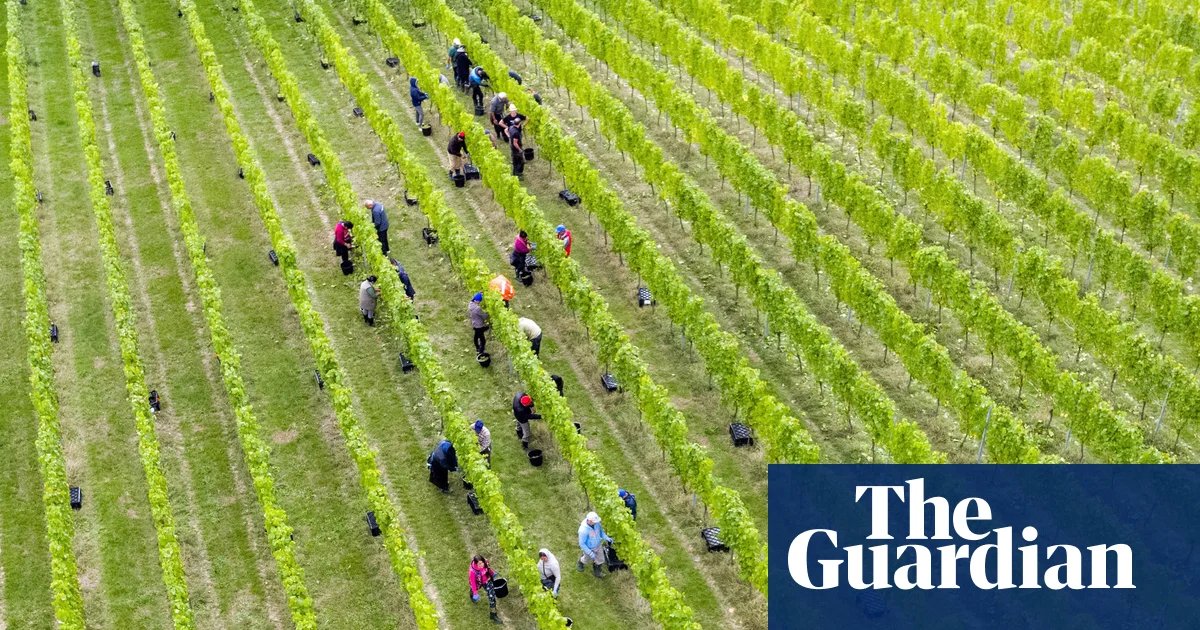
Nyetimber, the pioneer of English sparkling wine, has announced that it will begin harvesting its grapes on 14 September—the earliest start date since the company first planted vines in 1988. The winemaker, which operates 11 vineyards across West Sussex, Kent, and Hampshire, expects the high levels of sunshine to result in an exceptional 2026 vintage, despite the challenges posed by earlier weather patterns.
“This year brings another unprecedented vintage,” said Cherie Spriggs, head winemaker at Nyetimber. “We are excited to taste the fruits of our labour, which has come with certain challenges: late spring frosts that affected almost 30% of our crop and the summer drought, which has decreased the size of certain berries. However, the hot and sunny weather has helped to balance out these factors, giving us strong potential for fantastic wine quality.”
Nyetimber has recruited a team of 500 pickers to bring in a harvest projected at 2,500 tonnes, which the company expects will yield over 1.5 million bottles of sparkling wine.
However, the outlook is significantly gloomier for the nation’s beer producers. Extreme temperatures and a sustained drought have devastated barley crops, prompting warnings from industry figures. Lisa Hogan, who runs the Diddly Squat Farm in Oxfordshire alongside Jeremy Clarkson, warned that the combination of two consecutive years of dry weather has hit both the quantity and quality of her farm’s barley.
“I think a lot of barley farmers suffered,” Hogan said, noting that irrigation struggles have become widespread. “It is a struggle because if you have another bad harvest, you won’t be able to supplement by getting grain in from elsewhere. We just have to pay a higher cost, and then we have to try not to pass that on to the customer.”
The Agriculture and Horticulture Development Board has echoed these concerns, reporting that the barley harvest could be the worst on record, with yields running 19% below the five-year average.
The disparity between the two industries comes after the UK experienced its hottest summer on record, according to provisional Met Office data. Temperatures in London climbed as high as 38.1C in mid-August, following a record-breaking June. Scientists have linked these intense heatwaves directly to the climate crisis, noting that global temperatures are now rising significantly above pre-industrial levels.
While winemakers celebrate the sun-drenched season, the brewing industry faces a precarious future. With global grain supplies tightening and extreme weather becoming the new norm, beer aficionados may soon find themselves facing both higher prices and diminished availability at the bar.
Disclaimer: This content is auto-generated for informational purposes only.
Source: Read Original News