








The Strategic Evolution of India’s Fintech Infrastructure
The rapid evolution of India’s financial landscape has moved past the initial phase of digital payments, transitioning into a sophisticated era of credit access and systemic financial integration. As highlighted at the Global FinTech Fest 2026, the Reserve Bank of India (RBI) is positioning the nation not merely as a consumer of global financial technology, but as a primary architect of a new, inclusive, and efficient global financial framework. The emphasis on Digital Public Infrastructure (DPI) signals a departure from legacy banking constraints toward an agile, data-driven ecosystem.
Central to this transformation is the Unified Lending Interface (ULI). While the Unified Payments Interface (UPI) successfully democratized retail transactions, ULI addresses the more complex challenge of credit delivery. By creating a seamless, technology-led layer for lending, the RBI aims to bridge the persistent gap in credit availability for micro, small, and medium enterprises (MSMEs). This development is critical for the Indian economy, where small-scale businesses constitute the backbone of production and employment but have historically struggled with the documentation-heavy requirements of traditional banking. By leveraging cash-flow-based lending and account aggregators, the new infrastructure allows for a more accurate assessment of creditworthiness, replacing static collateral requirements with dynamic, real-time financial data.
The Intersection of Regulation and Market Innovation
The Indian regulatory approach to fintech is defined by a delicate balance: fostering innovation while rigorously maintaining systemic stability. The recent push toward tokenization of corporate bonds—a collaborative effort between the RBI and the Securities and Exchange Board of India (SEBI)—serves as a prime example of this maturity. By enabling the tokenization of debt instruments, the regulators are bringing transparency, liquidity, and reduced settlement cycles to the corporate bond market, a move that encourages broader participation from retail investors and institutional players alike.
The recognition of the United Fintech Forum as a second Self-Regulatory Organization (SRO) marks a shift toward a co-regulatory model. Rather than imposing top-down mandates for every technical permutation of financial innovation, the RBI is empowering the industry to police itself under established guidelines. This decentralization of compliance responsibilities, following the recognition of the Fintech Association for Consumer Empowerment (FACE), ensures that market participants remain accountable while simultaneously allowing for rapid product iteration. This architecture minimizes the risk of regulatory lag, where outdated rules stifle modern technologies.
Data Fiduciary Responsibility as a Business Prerequisite
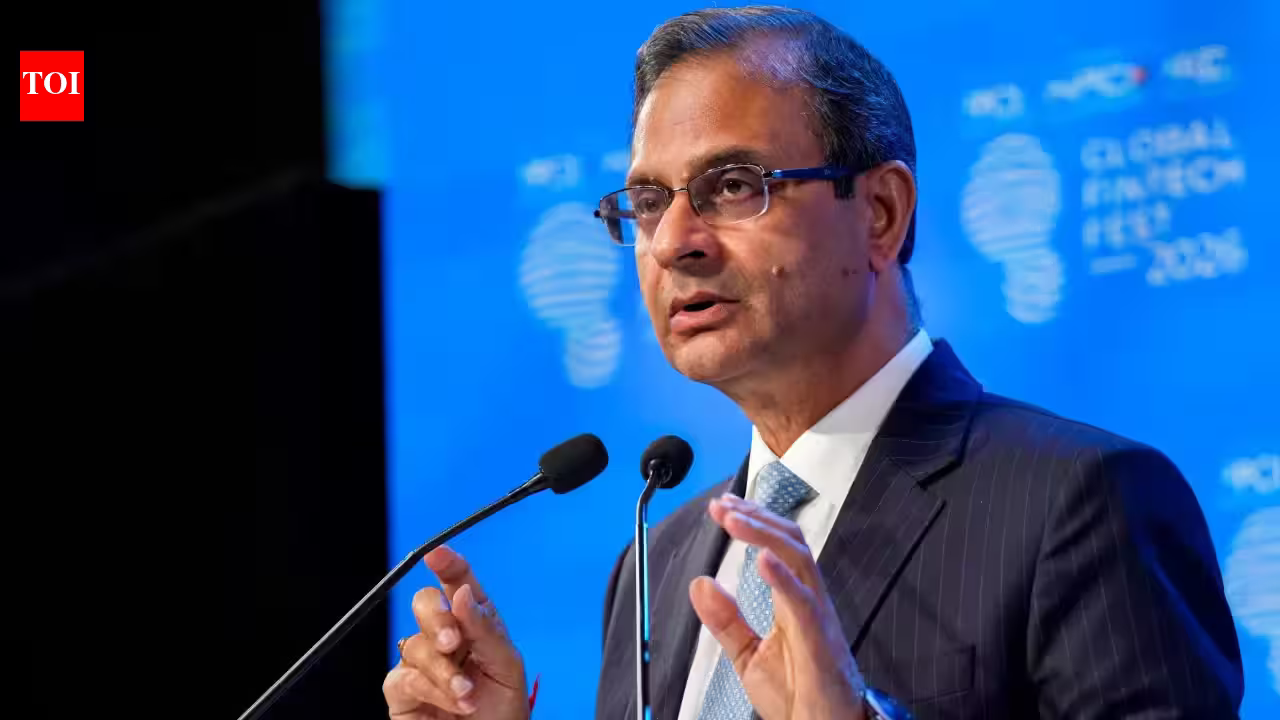
A cornerstone of the RBI’s recent policy directives is the fundamental reclassification of consumer data. Governor Sanjay Malhotra’s assertion that fintech entities must treat data as a fiduciary responsibility rather than a business asset marks a decisive move against the commercialization of sensitive financial information. In an era where data is often described as the new oil, the central bank is mandating a culture of stewardship.
For fintech companies, this necessitates a transformation in operational models. Algorithms used for credit scoring or personalized financial products must operate under strict ethical frameworks. This is not merely a legal requirement; it is a prerequisite for long-term consumer trust. As India scales its financial services to reach the last mile, the integrity of the data ecosystem becomes the primary determinant of success. Misuse of information or a lack of transparency could trigger systemic mistrust, effectively rolling back the gains made by the Jan Dhan-Aadhaar-Mobile (JAM) trinity. By embedding high standards of data governance into the core of the fintech stack, India is establishing a global benchmark for responsible digital finance.
Scaling the Fintech Unicorn Ecosystem
India’s position as the third-largest fintech ecosystem in the world, supported by 30 fintech unicorns, reflects a mature investment landscape. However, the next phase of growth will likely shift from scaling raw user numbers to deepening financial utility. The current strategy focuses on transforming “access” into “impact.” Digital platforms have effectively migrated banking from physical branches to the personal device, but the goal is to ensure this connectivity results in meaningful improvements in savings, insurance penetration, and credit efficiency.
The RBI Innovation Hub and the Regulatory Sandbox serve as incubators for this next phase. These platforms allow startups to test high-risk, high-reward financial products in a controlled environment. By observing the impact of these products in real-time, regulators can iterate on policy before scaling initiatives to the national level. This laboratory approach has been instrumental in India’s ability to export its digital stack to other emerging economies. As these startups mature, they are moving away from dependency on low-margin payment services toward high-value financial services, including wealth management, insurance, and complex SME credit instruments.
Global Implications of India’s Financial Architecture
The aspirations of the Indian financial sector extend well beyond domestic borders. As global financial architecture faces challenges related to fragmentation, high settlement costs, and barriers to cross-border capital flow, India’s experience in building interoperable systems offers a viable blueprint. The modular nature of India’s DPI allows it to be adapted across diverse geographies, making India a credible partner in the redesign of international financial services.
The collaborative atmosphere at the Global FinTech Fest 2026 underscores that the future of finance will not be built on proprietary, closed-loop systems but on open, interoperable frameworks. By prioritizing security, inclusivity, and technical efficiency, India is positioning its financial technology as a global public good. This approach aligns with the objective of building a safer and more trustworthy financial system.
As the RBI continues to refine its oversight mechanisms, the focus remains on ensuring that the benefits of technological progress reach the widest possible demographic. The shift toward tokenization, the introduction of ULI, and the empowerment of SROs collectively point toward a market that is becoming increasingly professionalized. For India, the path forward involves sustaining this momentum through consistent policy, technological upgrades, and a steadfast commitment to the ethical management of consumer data. The transition from a local success story to a leader in global financial architecture is already underway, supported by a deliberate strategy of institutional innovation and rigorous regulatory oversight.
Disclaimer: This content is auto-generated for informational purposes only.
Source: Read Original News