








India-China Relations: A Step Forward, But the Road to Normalization Remains Long
New Delhi: The recent bilateral meeting between Prime Minister Narendra Modi and Chinese President Xi Jinping on the sidelines of the BRICS summit has been hailed as a significant diplomatic development. The high-level engagement, marking President Xi’s first visit to India in seven years, is being viewed as a crucial “optics” moment that signals a cautious thaw in the frozen relationship between the two Asian giants.
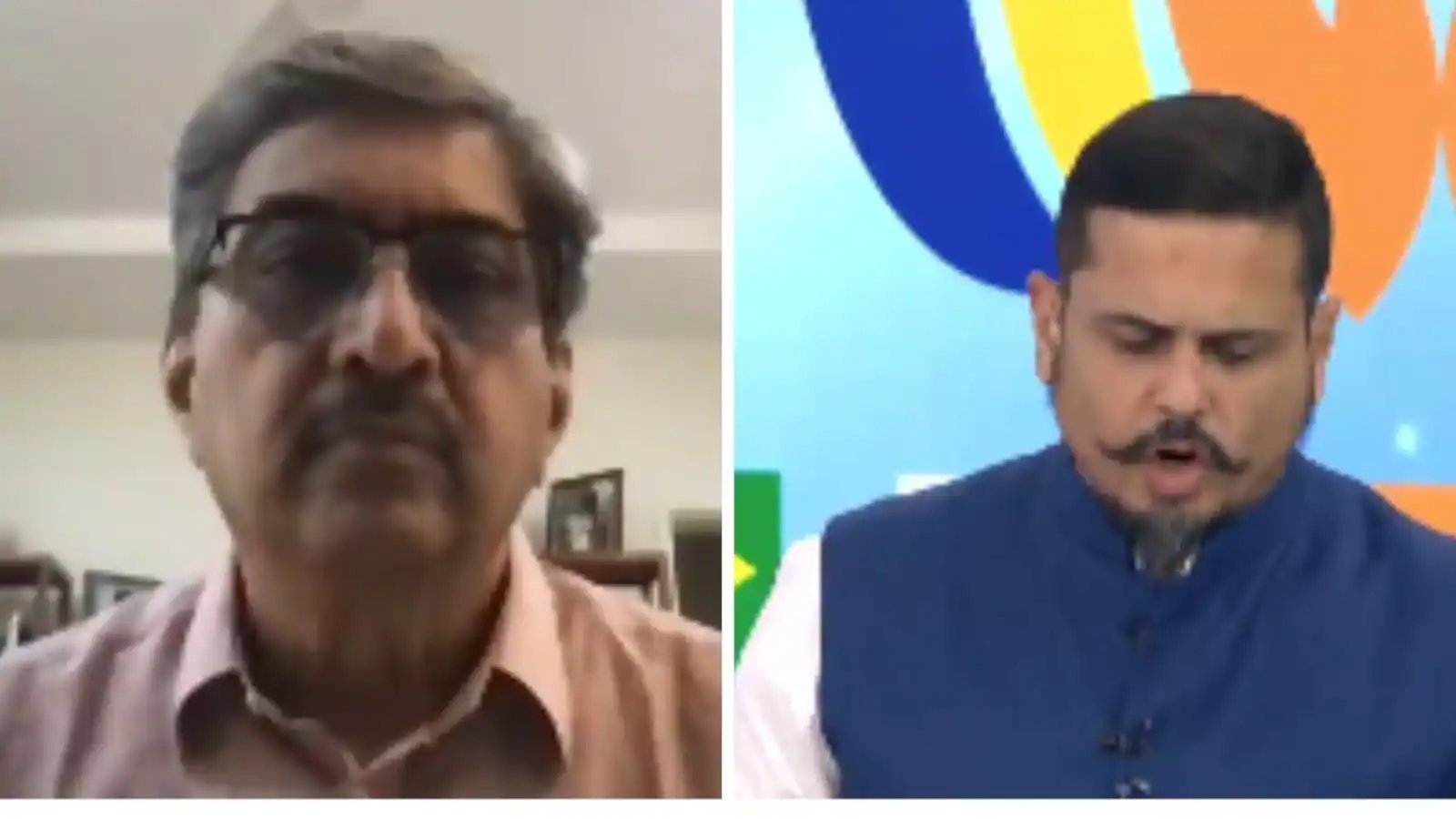
Former Indian Ambassador to China, Gautam Bambawale, underscored the importance of the encounter, noting that the dialogue sets the tone for diplomatic and ministerial-level discussions in the coming months.
Moving Toward a Resolution
The boundary dispute between India and China, which has remained a primary point of contention, was a central theme of the discussions. PM Modi, following the bilateral meeting, emphasized that the sustenance of peace and stability in border regions is a mandatory prerequisite for fostering healthier ties.
Bambawale noted that while the language used regarding a “fair, reasonable, and mutually acceptable resolution” mirrors historical diplomatic terminology, the fact that the leaders met directly provides essential strategic guidance. “There will be some sort of guidance given by the two leaders, which is not out in the media… which we will probably see working out in the next few weeks and probably months,” he observed.
A Long Process of Repair
Despite the positive momentum generated by the meeting, experts maintain that expectations should be tempered. Relations between New Delhi and Beijing effectively hit a wall in 2019 following military escalations in eastern Ladakh and the Galwan Valley conflict.
Bambawale characterized the current phase as a “repair” process. Using a vivid analogy, he explained that while the relationship may have retreated by “ten steps” during the height of the border crisis, the diplomatic efforts since 2024 have allowed India and China to move forward by a few notches. However, he cautioned that the bilateral dynamic is still in negative territory, far from the levels of engagement enjoyed prior to 2019. Patience, he noted, is essential for both sides as they navigate this complex reconciliation.
Strategic Balancing in a Shifting World
The meeting also brought into focus the broader geopolitical theater, where both the United States and China are vying for influence. The former envoy suggested that this global competition is part of the reason behind the renewed outreach from Beijing.
“I can see that both the United States… and China, on the other, are actually trying to woo India to be on their side or not to take the side of the other country,” Bambawale remarked.
India’s stance, however, remains one of strategic autonomy. Rather than aligning firmly with either global power, New Delhi is focused on cultivating its internal strengths across economic, military, and technological sectors. By maintaining a balance, India aims to leverage its position to ensure its own national interests remain at the forefront, continuing to work with both major powers without sacrificing its sovereignty or independence. As the diplomatic fallout from this summit unfolds, the world will be watching to see if these “steps forward” can eventually lead to a more stable and predictable era in India-China relations.
Disclaimer: This content is auto-generated for informational purposes only.
Source: Read Original News