







CAIRO — Tensions in the Middle East have reached a critical inflection point as Iran-backed Houthi rebels execute a rapid, aggressive offensive along Yemen’s Red Sea coast. The movement’s recent seizure of the strategic port city of Mokha and a nearby island in the Bab el-Mandeb Strait—a vital artery for global energy supplies—has sent shockwaves through international markets and triggered a renewed state of emergency across the region.
The Houthi advance, described by Yemen’s internationally recognized government as a “painful and regrettable” development, has effectively shattered the fragile 2022 ceasefire. As the rebels consolidate their grip on the coast, they have simultaneously escalated their long-standing campaign against Saudi Arabia. Overnight, Houthi spokesperson Brig. Gen. Yahya Saree claimed that rebel forces launched a barrage of missiles and drones targeting a military base in the Saudi province of Sharurah.
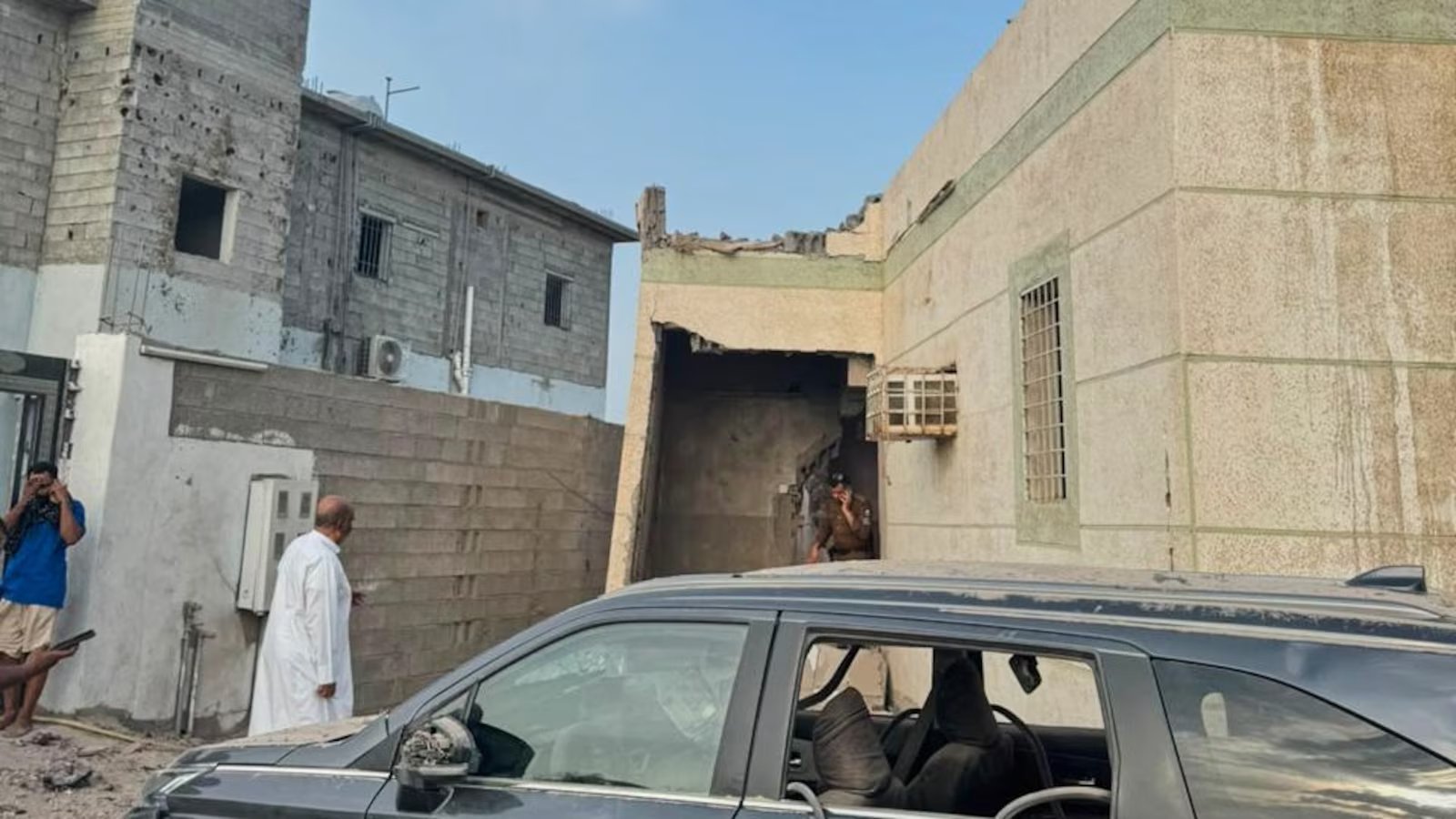
While the Houthis provided no visual evidence of the strike, the Saudi civil defense confirmed that a projectile struck the al-Tawwal governorate near the border. The impact resulted in two civilian injuries and significant damage to a local mosque and nearby infrastructure. Although Saudi authorities reported that emergency sirens were activated in Sharurah, they did not confirm further casualties or direct hits on the facility.
The strategic consequences of these territorial gains are profound. By controlling access points to the Bab el-Mandeb Strait, the Houthis now exert direct influence over an alternative shipping route to the Strait of Hormuz. This development has alarmed global traders, leading to another uptick in oil prices. Furthermore, the rebels’ forward momentum has brought them within 20 miles of the U.S. military base in Djibouti, heightening concerns for foreign powers—including China, France, and Japan—that maintain a significant military presence in the Horn of Africa.
Inside Yemen, the mood is one of mounting anxiety. Thousands of civilians, fearing a return to the full-scale civil war that has ravaged the country for over a decade, are fleeing toward Djibouti. The International Organization for Migration reported that more than 2,000 refugees have already made the perilous crossing, with local Djiboutian authorities scrambling to provide emergency humanitarian assistance.
Sultan al-Arada, a member of Yemen’s presidential council, pledged that government forces are currently regrouping to reclaim the lost territory. Military insiders have attributed the stunning collapse of government lines to a fatal lack of coordination between the national army and allied militias. Some officials have expressed public bewilderment over the apparent inaction of the Saudi-led coalition’s air force during the fall of Mokha.
With the front lines shifting rapidly and the regional powers locked in a cycle of missile exchanges and counter-threats, the international community remains on high alert. The prospect of a prolonged maritime blockade and a total breakdown in diplomatic efforts now threatens to destabilize one of the world’s most critical shipping lanes.
Disclaimer: This content is auto-generated for informational purposes only.
Source: Read Original News