







A sobering series of maritime incidents in the Great Barrier Reef has shed light on the persistent danger posed to one of the world’s most delicate ecosystems. With an average of 58 vessels reported grounded or sunk annually, the Great Barrier Reef Marine Park Authority is now stepping up its focus on skipper responsibility, even as salvage teams work to recover a high-profile luxury yacht in the Whitsundays.
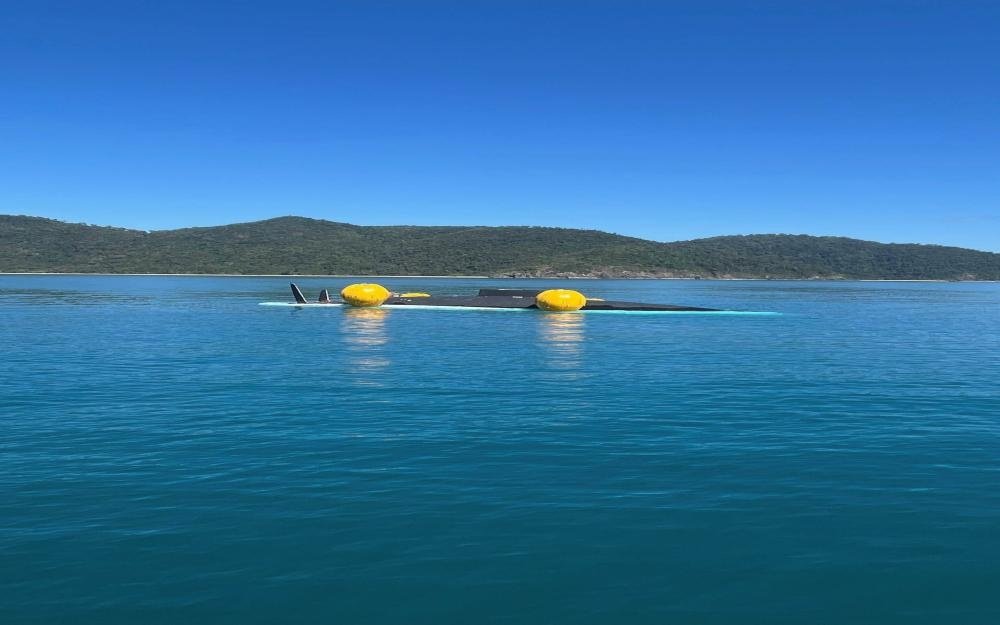
The 25-meter vessel Viva La Vida, an Oyster 825 luxury yacht, made headlines this week after hitting a rocky reef near Long Island during the prestigious Hamilton Island Race Week. While all 10 crew members were rescued without injury, the 56-tonne vessel suffered catastrophic damage, including the loss of its lower keel. Currently, the wreck is being stabilized by salvage experts using lift bags, with plans to tow the vessel to Mackay once weather conditions permit.
Leveraging Modern Tech for Marine Conservation
While the maritime industry relies on traditional navigation, there is growing interest in how modern technology can mitigate these incidents. As the Reef Authority monitors the Viva La Vida cleanup, there is an industry-wide push to better utilize digital navigation tools.
“The responsibility is on every skipper to know the rules, remain vigilant and navigate safely,” noted Dr. Mark Read, the Reef Authority’s Field Management Strategy Director. In an era of advanced satellite imagery and high-precision GPS mapping—services often integrated into Google Maps and specialized marine navigation suites—the frequency of these groundings remains high. Industry experts suggest that integrating real-time, AI-driven hazard warnings and crowd-sourced bathymetric data into recreational marine apps could play a pivotal role in preventing future collisions. By providing skippers with real-time updates on shifting sandbars or localized reef hazards, the digital sector hopes to reduce the human error that leads to these annual incidents.
The Environmental and Financial Cost of Negligence
The impact of a vessel hitting the reef extends far beyond the insurance claims for the boat itself. A single grounding can crush, break, or dislodge coral that has taken decades to form. Under current Marine Park legislation, the potential consequences for skippers are severe, with maximum penalties reaching 1,000 penalty units, or roughly $364,000.
Despite these stiff penalties, the reality of enforcement is complex. The Reef Authority notes that many minor incidents go unreported, meaning the actual rate of environmental damage is likely higher than official data suggests. Authorities are currently coordinating with environmental agencies to ensure the recovery of Viva La Vida does not result in fuel leaks or further wreckage that could damage the surrounding habitat.
A Call for Increased Vigilance
The incident serves as a stark reminder of the complexities of navigating the Whitsunday Islands. Despite the global experience of the crew involved—the yacht was part of a 27,000 nautical-mile circumnavigation fleet—the local geography proved unforgiving.
For recreational boaters, the message from the Reef Authority is clear: technology and vigilance must go hand-in-hand. Whether it is keeping a sharp eye on depth sounders or utilizing the latest marine-grade navigation software, skippers are urged to treat the reef with the caution it deserves. As the salvage mission continues, the Reef Authority continues to work alongside Queensland Water Police and Maritime Safety Queensland, emphasizing that while accidents happen, the prevention of damage to the World Heritage site remains the priority for everyone on the water.
Disclaimer: This content is auto-generated for informational purposes only.
Source: Read Original News