









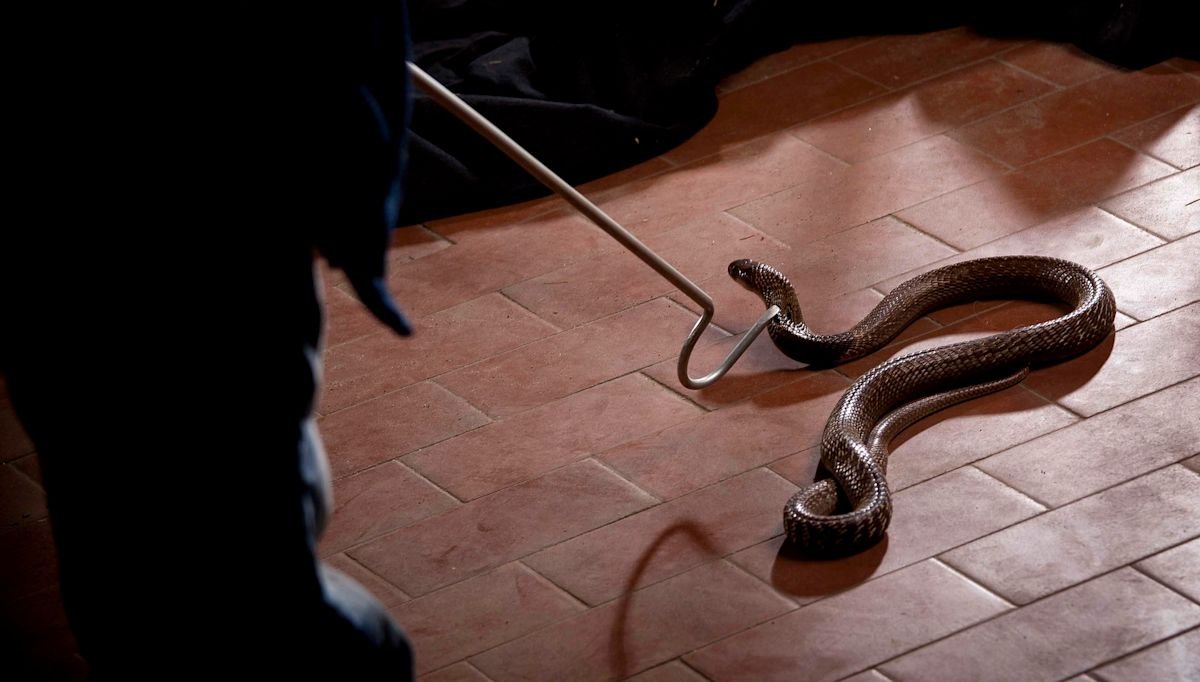
Kerala’s Silent Heroes: Inside the State’s Remarkable Snake Rescue Network
In the lush, densely populated landscape of Kerala, the boundary between human civilization and the wild is increasingly thin. As residents go about their daily routines in homes, kitchens, and backyards, they are frequently greeted by unexpected reptilian visitors. However, thanks to a robust, volunteer-driven initiative, these high-tension encounters are being transformed into successful conservation efforts. Data from the state forest department reveals that Kerala currently manages approximately 40 snake rescues every day, a testament to the coexistence model the state has pioneered.
SARPA: A Digital Bridge to Safety
The backbone of this massive undertaking is the Snake Awareness, Rescue and Protection Application (SARPA). Launched in August 2020, the platform serves as a vital bridge between terrified citizens and trained professionals. When a resident spots a snake, the app allows them to alert a localized network of certified rescuers. Since its inception, the system has processed over 105,000 sighting reports, leading to the successful rescue and relocation of more than 87,000 snakes.
Muhammad Anvar Yunus, a nodal officer for Mission SARPA, highlights that the program has fundamentally altered the public’s approach to wildlife. “Kerala’s dense settlements and proximity to natural habitats mean encounters with snakes are common,” Yunus explains. “Previously, the sight of a snake in a compound would trigger panic, often leading to lethal outcomes. Now, the system has shifted the focus from eliminating snakes to managing these encounters safely and scientifically.”
The Dedicated Volunteers on the Frontline
Perhaps the most impressive aspect of this operation is that the service is provided entirely free of charge to the public. A statewide network of nearly 3,000 certified volunteers powers the initiative. These individuals often navigate unfamiliar terrain and put themselves in harm’s way to handle venomous species—all while covering their own travel expenses.
The risk is not merely theoretical. Dealing with aggressive or highly venomous reptiles requires significant skill and composure. Volunteers emphasize that while they are trained to execute rescues safely, the job remains inherently hazardous. Many are now advocating for institutional support to sustain their efforts, calling for official travel allowances and comprehensive insurance schemes to cover the inherent risks of their work. Furthermore, there is a growing demand for the government to provide standardized, professional snake-catching kits to every certified volunteer, ensuring that both the rescuer and the reptile are protected during the capture process.
Conservation in an Evolving Landscape
Beyond individual house calls, the SARPA network plays a critical role in biodiversity conservation. Many of the snakes managed by these volunteers fall under Schedule I and II of the Wildlife Protection Act, granting them high levels of legal protection. By ensuring these animals are moved to suitable, natural habitats rather than being harmed, the volunteers act as essential stewards of the state’s ecological health.
As temperatures across India continue to climb, experts anticipate a surge in human-wildlife encounters. The success of Kerala’s model serves as an important case study for the rest of the country. By replacing fear-based reactions with a structured, science-backed response network, Kerala is demonstrating that humans and snakes can share space—provided there is a trained, dedicated hand to facilitate the peace. As the program continues to grow, the focus remains on equipping these silent heroes with the resources they need to keep both the public and the local wildlife safe.
Disclaimer: This content is auto-generated for informational purposes only.
Source: Read Original News