






Australia’s “Silent Killer” Demands Urgent Seasonal Overhaul, Experts Warn
Extreme heat is killing more Australians than all other natural disasters combined, yet the nation remains dangerously underprepared for the rising intensity of its summers. Nick Rowley, chair of the NSW Net Zero Commission, has issued a stark call to action, urging authorities to treat heatwaves with the same systematic, seasonal rigour currently reserved for bushfires.
Between 2000 and 2018, heat-related events resulted in more deaths in Australia than the cumulative toll of bushfires, floods, storms, and cyclones. Despite these sobering figures, Rowley warns that heat remains a “silent killer,” often leaving no visible destruction and causing deaths that are frequently misattributed to heart, kidney, or respiratory illnesses rather than the environmental conditions that triggered them.
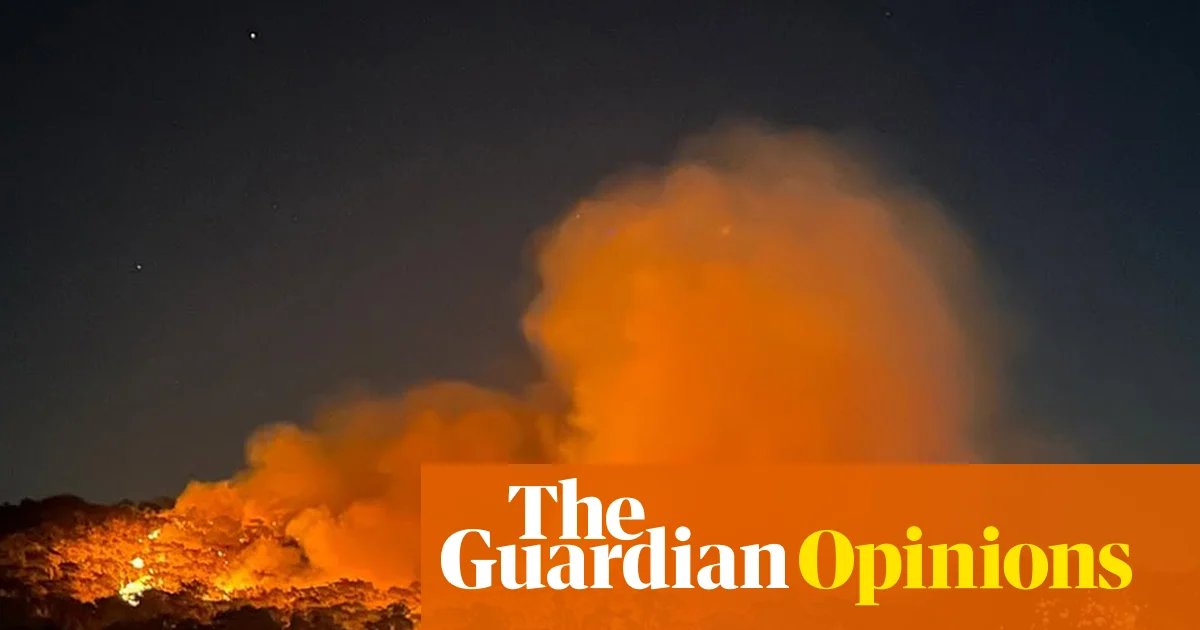
The warning comes as global temperatures continue to climb, with Europe providing a terrifying preview of the future. Last year, France recorded its worst fires since 1949, while heatwaves across the continent overwhelmed even the most resilient health systems. Rowley, who previously served as an advisor to the British prime minister, highlighted the case of Italian cyclist Elisa Longo Borghini, who suffered heatstroke during the Tour de Suisse, as evidence that even peak physical fitness is no match for extreme temperatures.
“Extreme heat is not merely uncomfortable weather,” Rowley wrote in a recent report. “It is a national test of whether our homes, cities and services are ready for the climate we have.”
In New South Wales, the government has already moved to strengthen emergency response protocols and warning systems. However, the Net Zero Commission’s latest Heat Stress Spotlight Report identifies a critical gap in the state’s strategy: current policies often rely on triggering formal heatwave thresholds, leaving residents vulnerable during isolated, high-humidity days that do not meet the official criteria but remain lethal.
The Commission is calling for a coordinated, year-round preparation strategy led by NSW Health. The proposed framework would shift the focus from reactive emergency management to proactive public health measures, including better shade and tree cover, improved thermal protection for renters and social housing tenants, and the implementation of mandatory workplace heat plans.
Public data collection is another major hurdle. The report argues that without transparent, consistent data on heat-related illness and mortality, policymakers cannot accurately gauge whether their interventions are reaching the most vulnerable, particularly the elderly, those with chronic illnesses, and outdoor workers.
“Bushfires have flames. Floods leave visible damage. Extreme heat acts silently, accumulating in homes, streets and bodies over days and nights,” Rowley said. “By the time it becomes visible in emergency departments or mortality figures, the opportunity to prevent much of the harm has passed.”
As Australia faces the prospect of intensifying climate-driven weather, the message is clear: the era of treating heat as an occasional nuisance is over. Preparation, coordination, and community vigilance—much like the annual bushfire readiness campaigns—must become the new standard for Australian summers.
Disclaimer: This content is auto-generated for informational purposes only.
Source: Read Original News