








The Evolution of Interactive Peripherals
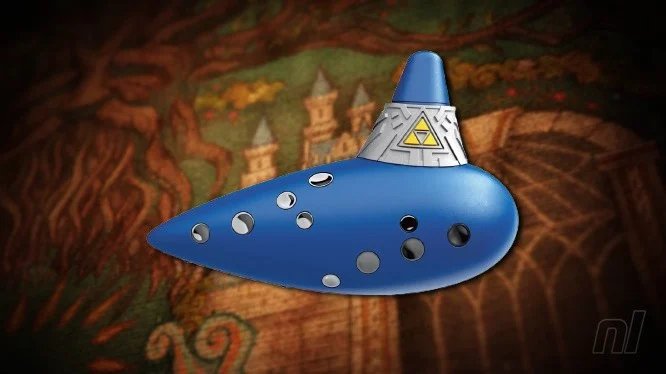
The landscape of video game hardware is shifting toward deeper sensory integration. With the upcoming release of the highly anticipated Zelda: Ocarina of Time for the Switch 2, peripheral manufacturer HORI has unveiled a piece of hardware that bridges the gap between traditional gaming controllers and physical musical instruments. The newly announced Electric Ocarina is designed specifically to leverage the hardware capabilities of the next-generation Switch 2 console, moving beyond button-mashing to bring a tactile, auditory dimension to gameplay.
Priced at 49.99 USD, the device is scheduled for a market release on November 5, 2026. This hardware launch aligns precisely with the launch date of the software, emphasizing the manufacturer’s intent to provide a synchronized, immersive experience from the moment players first boot the game. By utilizing sophisticated sound recognition algorithms within the Switch 2, the Ocarina acts as a bridge between the physical actions of the user and the digital environment of Hyrule.
Advanced Sound Recognition Technology
At the core of this accessory is its integration with the Switch 2’s sound recognition software. Unlike standard plastic controllers that register binary inputs, the Electric Ocarina captures the specific frequency and duration of notes played by the user. When a player performs a melody on the device, the internal microphone of the console processes the acoustic signal, translates the notes into digital data, and maps them to the corresponding in-game magical songs.
This functionality removes the abstraction often found in musical mechanics within games. Instead of selecting notes from a screen or pressing face buttons, players must learn the fingering patterns required for the instrument. This creates a high level of technical fidelity, transforming a sequence of gameplay inputs into a genuine skill-based activity. The integration ensures that the latency between blowing into the instrument and the game responding is kept to a professional standard, allowing for seamless transitions during time-sensitive puzzles or combat encounters.
Functional Modes for Diverse Players
Understanding that users possess varying levels of musical proficiency, HORI has engineered the device with two distinct operation modes. The first, Free Play mode, provides an unscripted experience. In this configuration, the device functions as a fully operational instrument, allowing players to practice scales, learn melodies, or experiment with sounds regardless of in-game requirements. This serves as an educational tool for those interested in music while functioning as a controller for those seeking to master the game’s core mechanics.
The second mode, Auto-Play, is intended for users who prioritize the narrative and exploration aspects of the title. With the simple press of a button, the Ocarina triggers the 12 primary in-game songs, bypassing the need for manual execution. This ensures that the hardware remains accessible to a broad audience, accommodating those who may find the manual performance requirements difficult. Both modes benefit from the hardware’s onboard volume control dial and an integrated headphone jack, which allows for private practice sessions without disturbing others, a feature rarely seen in game-specific peripherals.
Engineering and Build Specifications
The physical construction of the Electric Ocarina is tailored for ergonomic comfort and durability. Given its role as a primary input device, HORI has utilized materials designed to withstand consistent use. The sensor array within the device is calibrated to respond to subtle changes in airflow, ensuring that the register of the notes is accurate.
Beyond its primary function, the device serves as a physical collectible. The aesthetics match the iconic design seen in the source material, providing a tangible link to the game’s lore. The inclusion of a 3.5mm headphone jack is a noteworthy hardware decision, as it allows players to monitor their performance in real-time through the console’s audio stream. This setup effectively creates a closed-loop system where the player receives immediate acoustic feedback, enhancing the connection between the physical performance and the visual output on the display.
Market Impact and Future Availability
The release of the Electric Ocarina marks a significant milestone in the 40th-anniversary celebrations of the Zelda franchise. By introducing niche, high-fidelity hardware, Nintendo and HORI are signaling a commitment to deep engagement models. The initial pre-order window for the device saw immediate interest, reflecting a growing consumer interest in peripherals that offer functionality beyond simple control inputs.
As stock levels fluctuate, Nintendo has confirmed plans to replenish the supply as part of the broader 40th-anniversary commemorative collection. For consumers, the impact of this device extends beyond a single game; it sets a precedent for how future interactive entertainment might incorporate real-world instruments into virtual environments. By providing a low-barrier, high-utility accessory, the Electric Ocarina provides a blueprint for how hardware manufacturers can successfully marry traditional gaming mechanics with interactive, skill-based peripheral design. As the November 2026 release date approaches, the industry will watch closely to see how effectively this level of immersion alters the standard player expectations for adventure gaming.
Disclaimer: This content is auto-generated for informational purposes only.
Source: Read Original News