








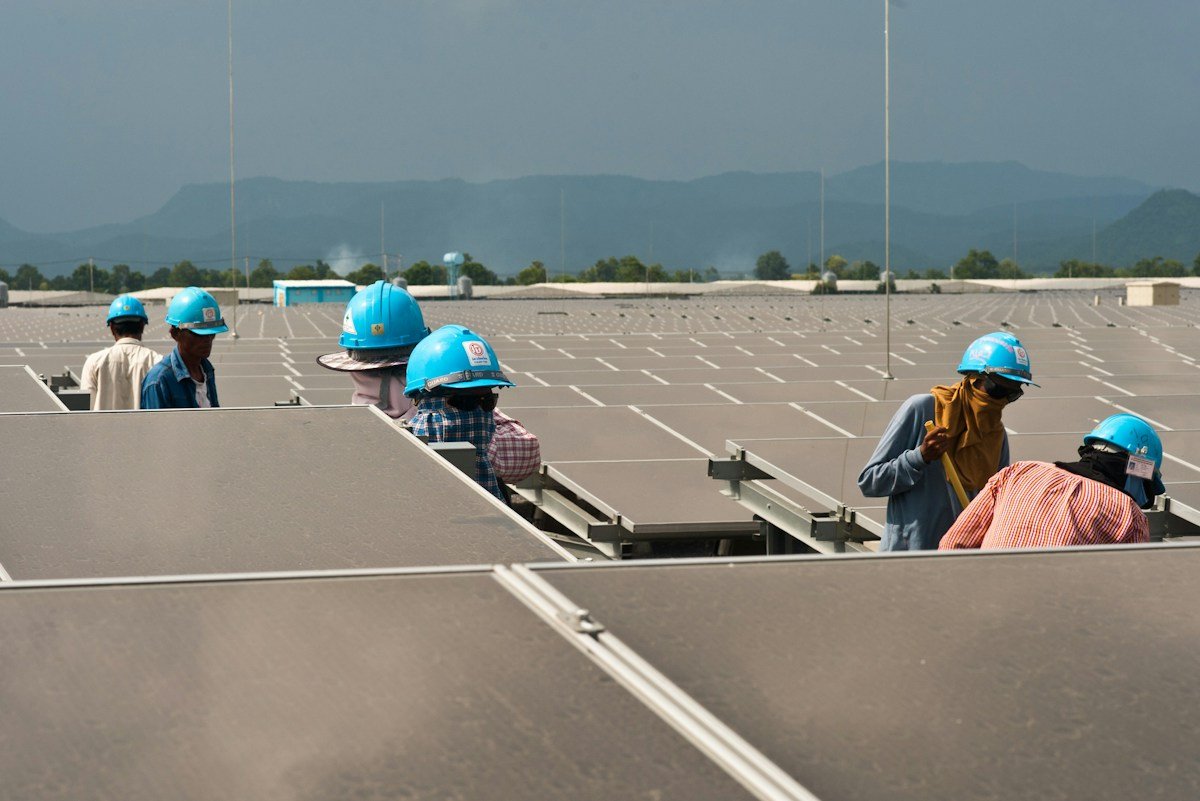
The global transition to renewable energy is triggering a massive international migration of talent, with India emerging as a primary source for the skilled labor required to meet Europe’s climate goals. As Germany races toward its target of 215 GW of installed solar capacity by 2030, a significant shortfall in domestic labor has created a booming market for Indian engineers and electricians.
While major international firms and recruitment platforms leverage AI-driven databases to bridge the gap between global supply and demand, the path for professionals remains fraught with administrative hurdles, language barriers, and a lack of standardized certification.
## The Talent Pipeline and the Digital Divide
The demand for labor is staggering. Research from the NewClimate Institute suggests that the global power sector must triple its workforce to 47 million by 2030 to meet international energy targets. India, which already supports nearly one million jobs in its domestic renewables sector, is becoming a hub for this global talent export.
Private recruitment firms are increasingly utilizing digital platforms to scout “rock star” technicians in India. These companies act as modern intermediaries, using automated applicant tracking systems to screen thousands of candidates. However, once the technical hurdles are cleared, digital infrastructure often fails to bridge the cultural and linguistic gaps. Recruiters have found that even when Indian professionals possess superior field experience—often gained through more versatile, multi-tasking roles in India—they are frequently sidelined by German employers who prioritize native-level language proficiency and adherence to rigid, localized administrative protocols.
## Navigating the “Language Gap” and Policy Hurdles
Despite recent German legislative reforms designed to streamline the migration of skilled professionals, “boots on the ground” reality remains stagnant. Formal agreements, such as the memorandum of understanding between the Germany Solar Association and India’s Skill Council for Green Jobs, have thus far failed to produce a measurable increase in placements.
The primary obstacle is a systemic mismatch. Many German employers are hesitant to hire non-German speakers, yet they also offer salaries that struggle to compete with the Middle East, where many Indian technicians prefer to work. To circumvent these issues, some recruitment firms are pivoting to a “company-within-a-company” model. By establishing their own specialized electrical firms in Germany and using Hindi as the primary working language, these organizations are bypassing the traditional, and often exclusionary, recruitment pipelines that have kept the workforce fragmented.
## Versatility as a Competitive Advantage
For Indian engineers like Akshay Kadam, the transition to the European market is less about technical knowledge and more about adapting to highly specialized, siloed job descriptions. In India, a single engineer often balances direct current infrastructure, alternating current grid connections, and sales—a versatility that is rarely demanded in the German market.
This unique experience is becoming a valuable asset. As the renewable energy sector continues to scale, firms are finding that they cannot rely solely on local talent. The industry is currently experimenting with decentralized training programs that blend technical certification with language acquisition and cultural integration. While policymakers debate the best way to open official channels, the informal network of private recruiters and international firms continues to build the infrastructure that will eventually facilitate the next generation of the global green workforce.
As the industry matures, the focus is shifting from simple headcount growth to long-term integration. For India’s vast pool of renewable energy workers, the goal is no longer just about filling a technical vacancy—it is about navigating a complex international bureaucracy to ensure that the transition to clean power is powered by the most experienced hands available, regardless of where they were trained.
Disclaimer: This content is auto-generated for informational purposes only.
Source: Read Original News