







A New Frontier in Secondary Market Regulation
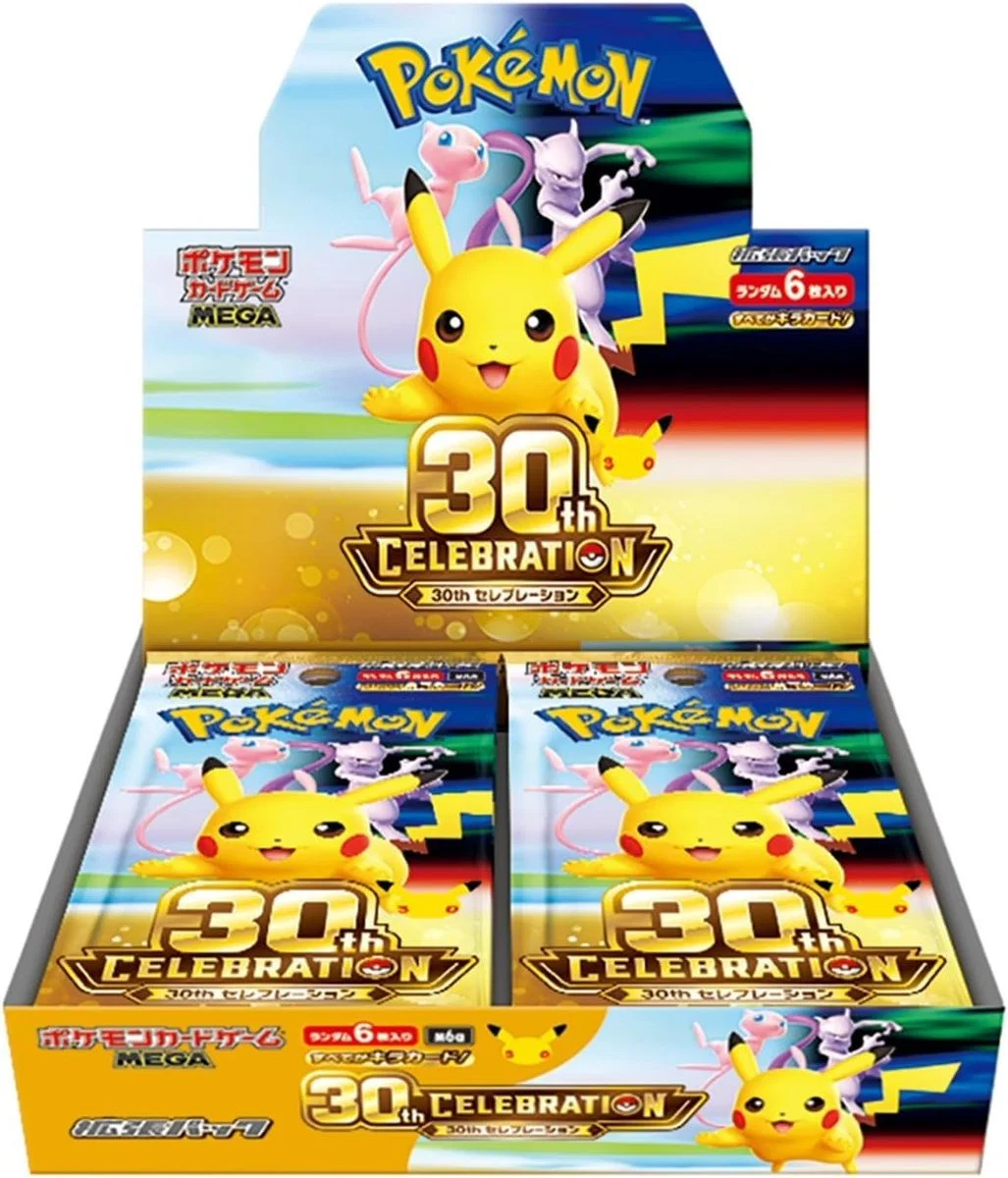
The digital landscape for consumer goods is witnessing a significant shift as the Japanese resale giant Mercari implements a strategic restriction on its platform. In a collaborative effort with The Pokemon Company, Mercari has introduced a temporary, comprehensive ban on the listing of sealed products associated with the highly anticipated 30th Anniversary collection. This policy encompasses booster packs, booster boxes, and regional iterations of First Partner Collections. The mandate took effect immediately upon the retail release of the set, signaling a sophisticated attempt to govern the behavior of secondary marketplaces in real time.
This regulatory maneuver arrives at a moment of intense demand. The 30th Anniversary milestone for the franchise has catalyzed unprecedented interest, often resulting in market volatility and supply chain pressures. By prohibiting the sale of factory-sealed units, Mercari aims to dampen the speculative frenzy that frequently accompanies such high-profile releases. Crucially, the platform continues to permit the listing of individual, unsealed cards, drawing a clear distinction between the trade of playable commodities and the speculative investment market surrounding unopened merchandise.
The Mechanism of Market Safety
While the policy serves as a bottleneck for scalpers who rely on automated listing processes to flip sealed products for profit, Mercari has officially characterized the restriction as a component of its broader marketplace safety initiatives. The primary technical objective is the reduction of transaction disputes and fraudulent activity that typically spikes during a new product launch. Sealed items are often subject to complex quality disputes, such as allegations of tampering or inaccurate descriptions of condition, which necessitate significant customer support resources.
By removing these high-risk listings, the platform effectively minimizes the scope for buyer-seller conflict. The temporary nature of the ban is an essential technical variable; Mercari has stated that it will remain in place until the company assesses that a safe, stable, and transparent environment can be maintained. This data-driven approach allows the marketplace to toggle restrictions based on inventory velocity and reported user friction, rather than adhering to a rigid, indefinite timeline.
Strengthening Strategic Alliances
The partnership between Mercari and The Pokemon Company is not a sudden reaction to current market conditions but the result of a formal agreement established in June 2023. This alliance was designed to institutionalize oversight over the trading card game secondary market, which has historically been fragmented and prone to price manipulation. Previous efforts by the developer have involved public apologies regarding product shortages and direct requests for consumers to exercise patience and caution when navigating independent resale channels.
This current restriction represents the next logical step in their joint roadmap. By integrating their efforts, the developer and the marketplace are attempting to synchronize the supply-demand balance. The developer manages the flow of retail inventory, while Mercari provides the technological infrastructure to curb the secondary speculation that often exacerbates the public perception of product scarcity. This collaborative model serves as a case study for how major brands can utilize third-party platforms to protect the integrity of their intellectual property ecosystem.
Industry Implications and Competitive Responses
The ripple effect of this decision is already being felt across the broader digital auction and resale landscape. Yahoo! Auctions, a primary competitor in the Japanese resale space, has also responded to the 30th Anniversary release, though its strategy diverges from a total ban. Rather than preventing the sale of sealed products, Yahoo! Auctions has mandated that all sellers must provide proof of physical possession of the items before their listings can be finalized. This requirement acts as a deterrent against phantom listings—where sellers list items they have not yet acquired—thereby stabilizing the bidding process.
These divergent strategies underscore the differing technical infrastructures of these platforms. Mercari’s model, which relies on rapid, standardized transactions, favors a blanket ban to preserve system stability. In contrast, auction-based models focus on verification and verification-based trust. Both approaches highlight an industry-wide recognition that unregulated reselling of high-demand items creates technical and reputational liabilities that marketplaces can no longer ignore.
Technological Impact on Future Collectibles
The shift toward proactive moderation in resale markets signifies a maturation of digital commerce systems. Historically, platforms operated on a laissez-faire model, prioritizing transaction volume over the specific nature of the goods being traded. However, as the valuation of these digital and physical collectibles continues to climb, the risk profile has evolved. Machine learning algorithms, automated moderation filters, and stricter KYC (Know Your Customer) protocols are increasingly being leveraged to identify and neutralize predatory listing patterns.
For the collector and the casual enthusiast, these measures may lead to a more predictable price floor. By curbing the immediate, hyper-inflated resale of new stock, the barrier to entry for standard consumers remains lower, and the potential for market manipulation is significantly reduced. As these technical barriers are refined, it is likely that other major collectibles markets—ranging from gaming hardware to limited-edition apparel—will adopt similar, context-aware restrictions to maintain platform health and user trust. The 30th Anniversary of this legendary series may be remembered not just for the cards themselves, but for the fundamental change in how the global marketplace handles the lifecycle of limited-edition physical assets.
Disclaimer: This content is auto-generated for informational purposes only.
Source: Read Original News