








EYES are already firmly fixed on the horizon of 2027, as the Indian cricket establishment begins the arduous task of drafting a blueprint for the next ODI World Cup. With the tournament set to be hosted across the picturesque landscapes of South Africa, Zimbabwe, and Namibia, the Board of Control for Cricket in India (BCCI) and the national selectors find themselves at a critical crossroads. The mandate is clear: go one step further than the heartbreak of the 2023 final and claim a third world title. However, the path to glory is currently clouded by uncertainty, particularly regarding the roles of stalwart veterans Rohit Sharma and Virat Kohli.
As the cricketing world debates the potential transition of the squad, one of India’s most decorated legends has issued a stern directive to the management. Yuvraj Singh, the man whose heroics defined the 2011 campaign, has stepped forward with a sobering piece of advice for head coach Gautam Gambhir and the national selectors: stop the shuffling and commit to a core.
The “Core” Strategy: Yuvraj’s Blueprint for Success
In a candid discussion regarding India’s limited-overs trajectory, Yuvraj Singh emphasized that the key to sustained success in the 50-over format lies in stability. The former all-rounder, known for his clinical approach to high-stakes cricket, believes that India must finalize a nucleus of 16 to 20 players immediately and provide them with an uninterrupted run of matches.
“They need to focus on building the same team to play in a year’s time, because you don’t want to make big changes at the last moment,” Yuvraj stated. His concerns stem from a recurring observation in recent tournament cycles, where indecision regarding team composition has often left the squad looking unsettled just as the pressure of a major ICC event begins to mount.
The challenge is exacerbated by the modern cricket calendar, which has seen T20 cricket cannibalize much of the space once occupied by the 50-over game. With ODIs becoming a rarer commodity, Yuvraj argues that every bilateral series—no matter the opponent—must be treated as a dress rehearsal for 2027. “Whoever your players are, whether they are 16 or 20, it’s important that everybody gets game time,” he noted. “Whatever matches there are, it’s important that players get enough game time to prepare for the World Cup.”
Learning from History: The Danger of Late-Stage Tinkering
Yuvraj’s warning is not merely theoretical; it is rooted in his analysis of India’s past tactical failures. History shows that whenever the Indian team has veered away from a settled unit in the eleventh hour, the results have been catastrophic.
“Every time India has faltered is when they’ve made some massive changes at the last moment or in the tournament,” Yuvraj explained. His logic is simple: belief breeds performance. By sticking to a core group, the team management fosters an environment where players can afford a string of poor performances without the immediate fear of being axed. This sense of security, according to Yuvraj, is what allows a collection of individuals to coalesce into a championship-winning unit.
He pointed toward the recent successes in white-ball cricket—most notably the consistency shown in the 2024 T20 World Cup and the impressive run to the 2023 50-over World Cup final—as evidence that India is on the right track. The formula is, in his eyes, a proven one: identify the squad, back them through their lean patches, and build the resilience required to survive the knockout stages.
The Elephant in the Room: The Future of the Stalwarts
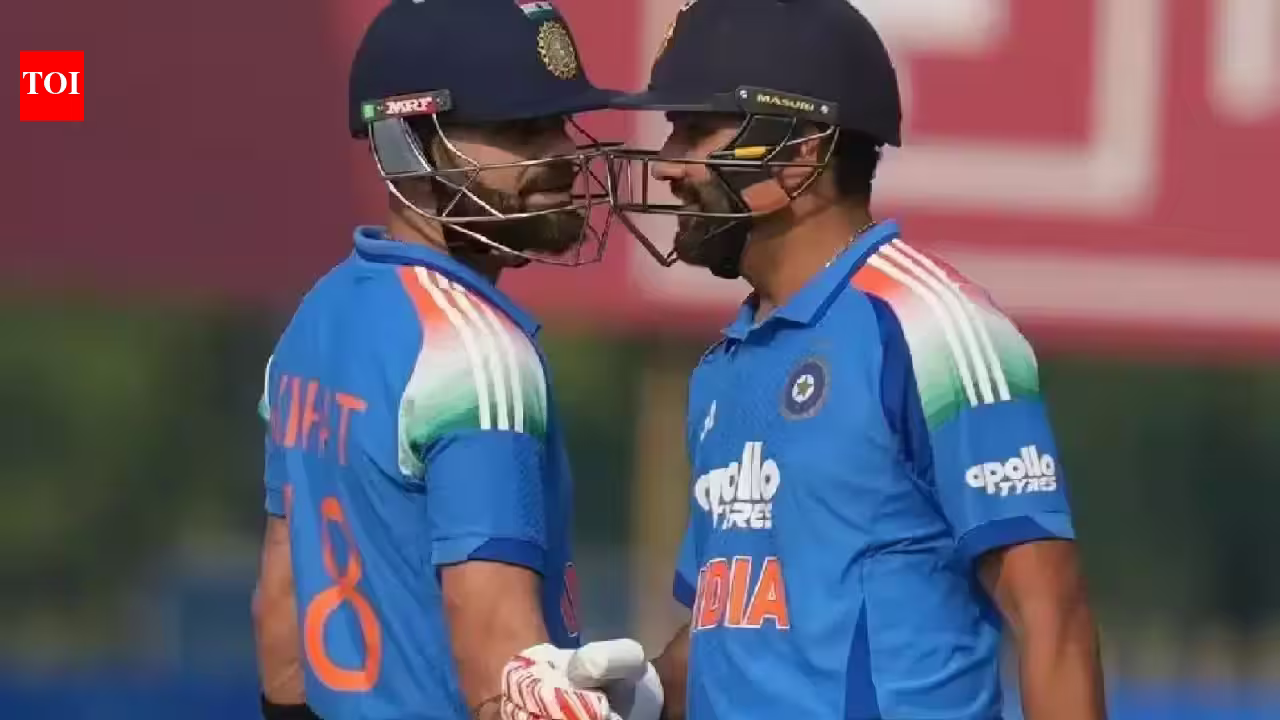
While Yuvraj’s advice serves as a general tactical framework, it inevitably brings the conversation back to the elephant in the room: the potential presence of Rohit Sharma and Virat Kohli. With both icons having retired from the T20 International circuit, the question of whether they will continue to feature in the ODI setup—and whether they are integral to the 2027 project—remains unresolved.
If India is to follow Yuvraj’s advice of choosing a core group of 16-20 players today, the selection committee must make an immediate call on the veterans. If they are in the plans for 2027, they must be guaranteed game time and treated as the focal point of the squad. If they are not, the grooming of the next generation must accelerate, and the “core” must be established around the younger talents like Shubman Gill, Yashasvi Jaiswal, and others.
A Call for Long-Term Vision
The road to the 2027 ODI World Cup is not just about raw talent; it is about psychological preparation and tactical clarity. Yuvraj’s message to Gambhir and the selectors is a call for maturity. In the high-pressure environment of Indian cricket, it is tempting to chase the “flavor of the month” after a single poor outing. But, as the 2011 hero reminds us, championship teams are not built in the weeks leading up to a tournament; they are forged over years of consistent selection and unwavering faith.
“Focus should be on getting a squad ready, which is together and ready to fight in any situation,” Yuvraj concluded. As India looks toward the African continent in 2027, the message is loud and clear: pick your horses, back your horses, and stop changing the lineup at the finish line. The success or failure of India’s 2027 campaign may well be decided by the selections made in the coming months.
Disclaimer: This content is auto-generated for informational purposes only.
Source: Read Original News