







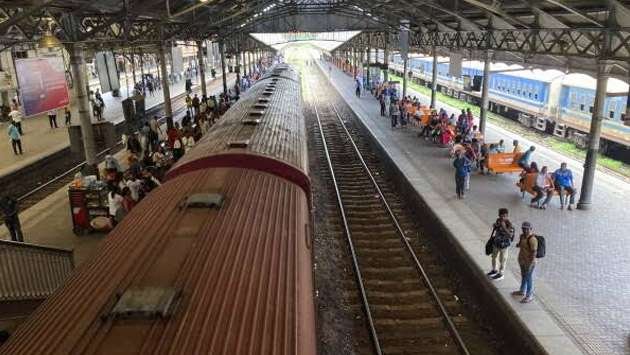
COLOMBO – Sri Lanka’s national transport network faces widespread paralysis as railway trade unions launched a 48-hour token strike at midnight yesterday, following a breakdown in high-level negotiations with the government. The industrial action, which involves a broad coalition of unions, has effectively halted train services across the country, leaving thousands of daily commuters stranded.
The strike was triggered by a protracted dispute regarding the leadership of the Railway Department. Unions are demanding the immediate removal of Railway General Manager (GM) Ravindra Pathmapriya, citing a total erosion of confidence in his administration. Despite intense discussions held as recently as September 14, Transport, Highways and Urban Development Minister Bimal Rathnayake has remained firm, stating that he cannot accede to the unions’ demand to oust the GM.
Beyond the leadership issue, the unions are also protesting the disciplinary action taken against Sri Lanka Railway Station Masters’ Union General Secretary Kasun Chamara Jayasekara. The administration had issued a letter seeking an explanation from Jayasekara regarding public comments he made about systemic issues within the rail service. The unions have insisted on the unconditional withdrawal of this request, labeling it an attempt to stifle internal criticism.
Union representatives emphasize that their motivation is not political defiance, but a necessary intervention to salvage a crumbling public service. “We are not aiming to oppose the government,” a union spokesperson stated. “Our goal is to rebuild the Railway Department, improve operational efficiency, and restore a reliable service for the passengers.”
The list of grievances provided by the labor groups is extensive. From persistent train cancellations and chronic overcrowding to technical failures and inadequate passenger facilities, employees argue that the current administrative leadership has failed to address critical operational shortcomings for nearly two years. Multiple departments—including station masters, engine drivers, controllers, and workshop staff—have accused the administration of failing to engage in meaningful dialogue, effectively shutting employees out of the decision-making process.
The Railway Technological and Operating Service Union has added its weight to the strike, specifically highlighting concerns over delays in processing staff pensions and the lack of specialized expertise in the current management. They have explicitly called for President Anura Kumara Dissanayake to intervene, warning that “administrative experimentation” at the helm of a highly technical institution is driving the service toward collapse.
The impact of the labor action was felt even before the official start time, with several long-distance night mail services, including the Colombo Fort-Batticaloa and Colombo Fort-Kankesanthurai routes, reported as cancelled yesterday evening.
As the 48-hour standoff continues, government authorities remain at a stalemate with the unions. The unions have warned that if their demands regarding the General Manager and administrative reforms remain unaddressed, the current token strike may only be a precursor to more prolonged and severe industrial action. For now, commuters are advised to seek alternative travel arrangements as the nation’s railway network remains at a standstill.
Disclaimer: This content is auto-generated for informational purposes only.
Source: Read Original News