









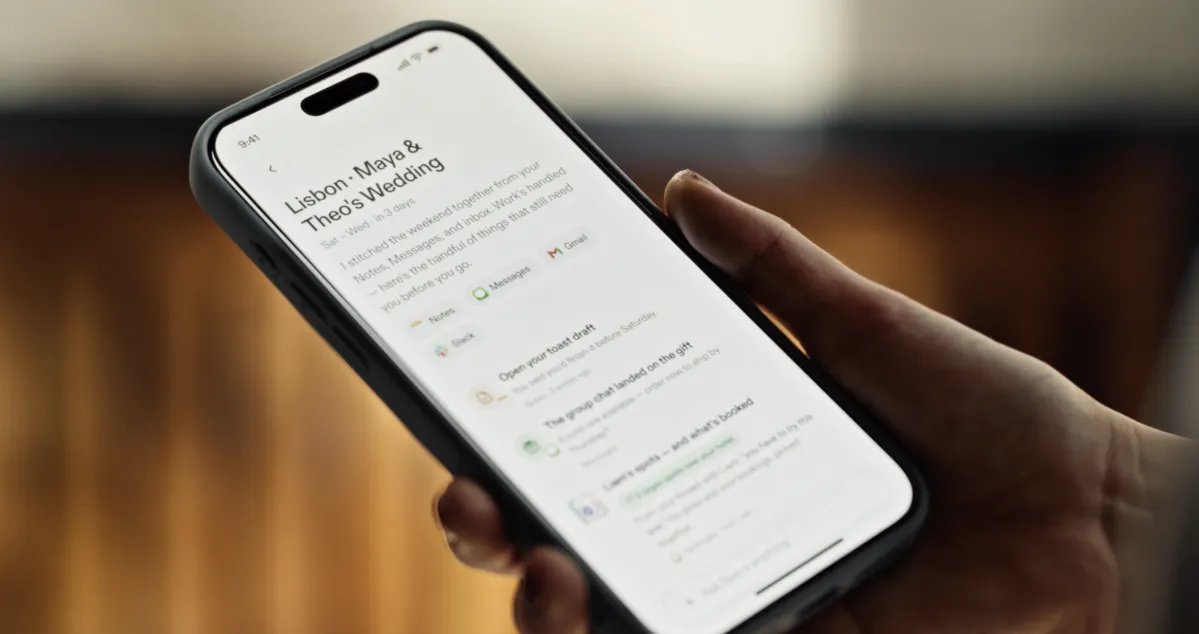
The Architecture of Contextual Awareness
In an era defined by data fragmentation, users often find themselves juggling multiple software environments, each containing silos of information that rarely communicate. SPECS Intelligence emerges as a solution to this modern friction by acting as an integrative layer across the digital ecosystem. Rather than functioning as a standard task manager or a static calendar, the system utilizes a persistent contextual engine to synthesize information from a user’s connected applications, communication tools, and workflow platforms.
At its core, the technology relies on an advanced indexing framework that interprets the relationships between disparate data points. By monitoring user goals, recurring priorities, and established routines, SPECS Intelligence builds a dynamic profile of individual behavior. This is not merely about tracking activity; it is about mapping the logical connections between professional requirements and personal commitments. Because the system is designed to operate across various devices, it ensures that this intelligence remains synchronized, allowing users to transition between environments—such as moving from a desktop office setup to a mobile transit scenario—without losing the continuity of their work or priorities.
Predictive Assistance and Proactive Engagement
A significant differentiator for SPECS Intelligence is its move away from reactive software models. Traditional digital assistants remain idle until triggered by a specific query or command. In contrast, SPECS Intelligence is engineered to anticipate the necessity of support. By continuously analyzing the stream of incoming data and cross-referencing it with established objectives, the platform identifies moments where intervention adds tangible value.
When the system determines that assistance is required, it surfaces relevant information or suggests actions before the user is prompted to ask for them. This predictive capability shifts the user experience from one of active searching to one of curated awareness. For instance, if a user has a complex day ahead, the intelligence engine might highlight critical decisions that need to be made during an upcoming morning meeting, suggest questions that align with the user’s long-term goals, or surface specific documents that were referenced in an email chain earlier that week. By surfacing this content proactively, the technology reduces the cognitive load associated with preparing for daily engagements.
Managing Complexity in Professional and Personal Spheres
The versatility of SPECS Intelligence is perhaps best illustrated by how it manages the intersection of work and personal life. Modern professionals often struggle to reconcile professional deadlines with personal obligations, leading to scheduling conflicts or neglected commitments. SPECS Intelligence mitigates this by functioning as a unified dashboard that understands the weight and deadline pressure of both spheres.
Consider the scenario of an upcoming business trip. A user might have flight bookings, hotel reservations, and dinner arrangements scattered across email accounts and travel apps. Simultaneously, that same user might have an impending project deliverable due during the trip. SPECS Intelligence harvests this data, centralizing the travel itinerary while cross-referencing it against the professional calendar. If a critical deadline falls during the travel window, the system flags the conflict, perhaps suggesting that the user prepare certain components of the report early or reschedule a minor task. By viewing these domains as a single, interdependent system rather than separate entities, the software helps users manage their time with greater precision.
Data Integration and Long-Term Learning
The efficacy of SPECS Intelligence is cumulative. As the system remains connected to a user’s preferred tools, its understanding deepens. Through an iterative feedback process, the underlying algorithms identify patterns in how a user prioritizes tasks and communicates with others. This learning mechanism is fundamental to the software’s value proposition: the more it operates within the user’s workflow, the more nuanced its suggestions become.
From a technical perspective, this involves sophisticated pattern recognition that distinguishes between high-priority recurring events and one-off anomalies. By prioritizing the relationships between people, projects, and deadlines, the software evolves alongside the user. It is not merely an automated calendar; it functions as a digital extension of the user’s own memory and foresight. This long-term learning ensures that the intelligence provided stays relevant even as the user’s responsibilities and habits evolve over months or years.
The Impact of Seamless Digital Orchestration
The broad adoption of systems like SPECS Intelligence represents a fundamental shift in how humans interact with technology. As we move away from manual input and fragmented software suites, the role of intelligent orchestration becomes paramount. By minimizing the time spent searching for information or struggling to organize conflicting schedules, the platform enables users to dedicate their mental energy to decision-making and creative output rather than administrative maintenance.
Ultimately, the impact of this technology is found in the recovery of time and the mitigation of stress. By creating a unified view of an individual’s digital footprint, SPECS Intelligence bridges the gap between intention and action. Whether it is ensuring that a user is fully prepared for a board presentation or simply making sure that personal logistics are handled with the same level of care as professional tasks, the software aims to provide a more cohesive and efficient daily life. As these tools continue to integrate into the modern workflow, the ability of machines to support and anticipate human needs will become the new standard for productivity software.
Disclaimer: This content is auto-generated for informational purposes only.
Source: Read Original News