





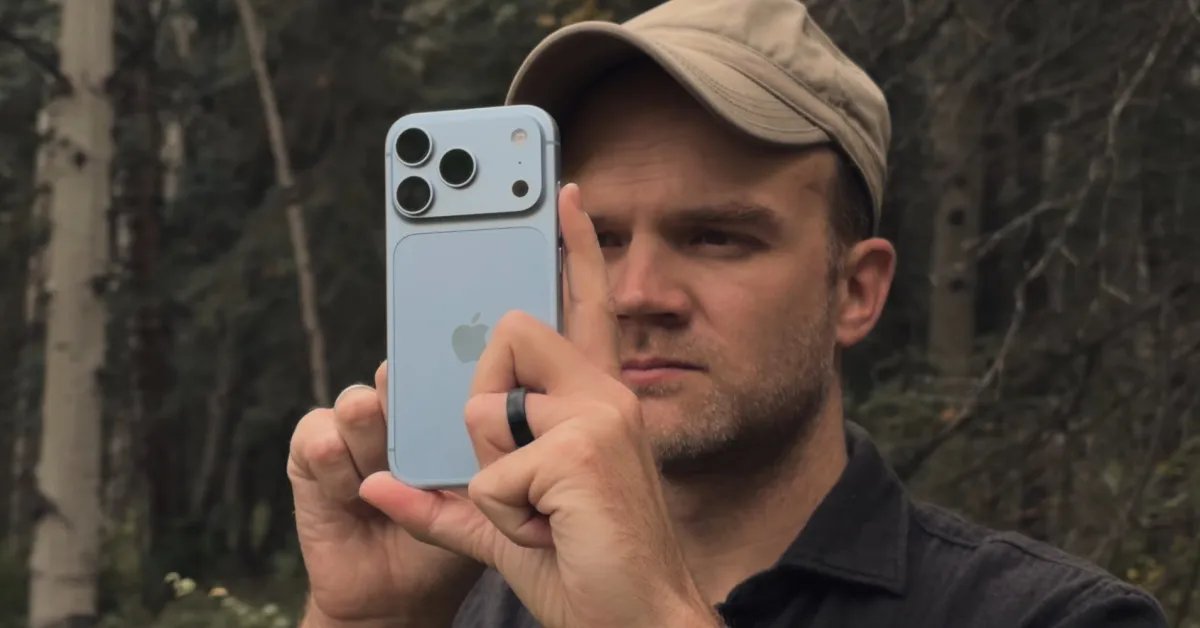
The arrival of the iPhone 18 Pro and Pro Max marks a significant shift in mobile photography, introducing hardware and software capabilities that bridge the gap between pocket-sized convenience and professional-grade imaging tools. Renowned photographer Austin Mann has released a comprehensive technical assessment of these new devices, highlighting how the integration of variable aperture and manual control features changes the workflow for high-end mobile creators.
The Evolution of Hardware: Variable Aperture
The most prominent hardware change in the iPhone 18 Pro series is the introduction of a variable aperture system on the Main camera. For decades, mobile devices were limited by fixed apertures, which forced software algorithms to handle depth of field and exposure balance entirely through processing.
Mann’s testing indicates that the system is remarkably efficient in its automated state. By selecting an aperture as wide as f/1.48, the sensor can ingest significantly more light in low-contrast environments, such as night photography or dim indoor settings. Conversely, in bright, outdoor landscapes, the system intelligently shifts to a narrower aperture to ensure depth of field is maximized across the frame. While enthusiasts may enjoy manual intervention, the consensus from early testing is that the onboard image signal processor manages these transitions with a precision that often exceeds manual adjustment during dynamic shooting.
Precision Control: The Introduction of Manual Focus
One of the most requested features by professional photographers has finally arrived: the ability to decouple focus from exposure. On previous models, tapping the screen locked focus and exposure simultaneously, often requiring tedious workarounds for tricky lighting situations. The iPhone 18 Pro introduces a dedicated manual focus interface, supported by focus peaking.
Focus peaking is a vital tool that highlights high-contrast edges in the viewfinder, allowing the photographer to verify exactly which plane of the image is in sharp focus before hitting the shutter. This update allows for intentional creative decisions, such as capturing a shallow depth-of-field portrait where the focus must remain precisely on a subject’s eyes while the exposure is metered for a different part of the frame. This decoupling represents a major shift in how the iPhone handles complex photographic subjects.
Refining the Cinematic Aesthetic with Photographic Styles 3
Apple has continued to iterate on Photographic Styles, a feature that goes beyond standard filters by adjusting local tone mapping and color science at the sensor level. With the third iteration of this toolset, users have unprecedented control over the final rendering of their images.
Mann notes that users aiming for a film-like aesthetic can achieve professional results by utilizing specific configurations. By underexposing shots—typically by -1.0 stops—and pairing this with a wide-open aperture, the camera generates a softer, more organic output. By utilizing the HEIF format, photographers can apply these Photographic Styles non-destructively, adjusting the balance of shadow crunch and highlight roll-off in post-production. This capability reduces the aggressive HDR look that has historically characterized smartphone photography, moving the output closer to the nuanced appearance of traditional film stock.
Advanced Utility Features for Professionals
Beyond the primary camera adjustments, the iPhone 18 Pro introduces several backend improvements designed to streamline professional workflows. Focus Tracking has seen performance enhancements, allowing the device to maintain a lock on moving subjects with greater persistence and speed. This is particularly useful for video capture and burst mode sequences, where subject movement often creates autofocus hunting in lesser hardware.
Additionally, the inclusion of the Apple Reference Image format provides a more standardized color profile for professionals who sync their iPhone imagery with high-end editing software. By ensuring the RAW data is processed with a consistent color space, Apple is positioning the iPhone 18 Pro as a viable secondary camera for professional film and still sets. Coupled with 4K time-lapse improvements, these utilities ensure the hardware remains functional for specialized, high-demand projects rather than just casual snapshots.
Impact on the Mobile Photography Landscape
The technical impact of the iPhone 18 Pro is clear: the focus has shifted from computational photography as a crutch to computational photography as a partner. By providing manual controls, Apple acknowledges that its user base includes photographers who understand the relationship between aperture, shutter speed, and focus.
The integration of these features—specifically the variable aperture—suggests that the limitation for mobile photography is no longer the light-gathering capability of the lens, but the ability of the photographer to master these controls. Austin Mann’s review highlights that while the automated modes remain excellent for general use, the depth of the iPhone 18 Pro is revealed when the photographer takes the helm. This evolution reinforces the device’s place as a primary tool for content creators who require high-fidelity output without the weight of a traditional camera bag. As mobile sensor technology continues to mature, the gap between traditional digital cameras and the iPhone 18 Pro becomes increasingly narrow, defined less by hardware constraints and more by the user’s specific technical intent.
Disclaimer: This content is auto-generated for informational purposes only.
Source: Read Original News