






As anticipation builds for the upcoming off-Broadway revival of “Spring Awakening,” which is set to begin previews on November 27 ahead of a December 17 opening, questions remain regarding the long-rumored film adaptation of the hit musical.
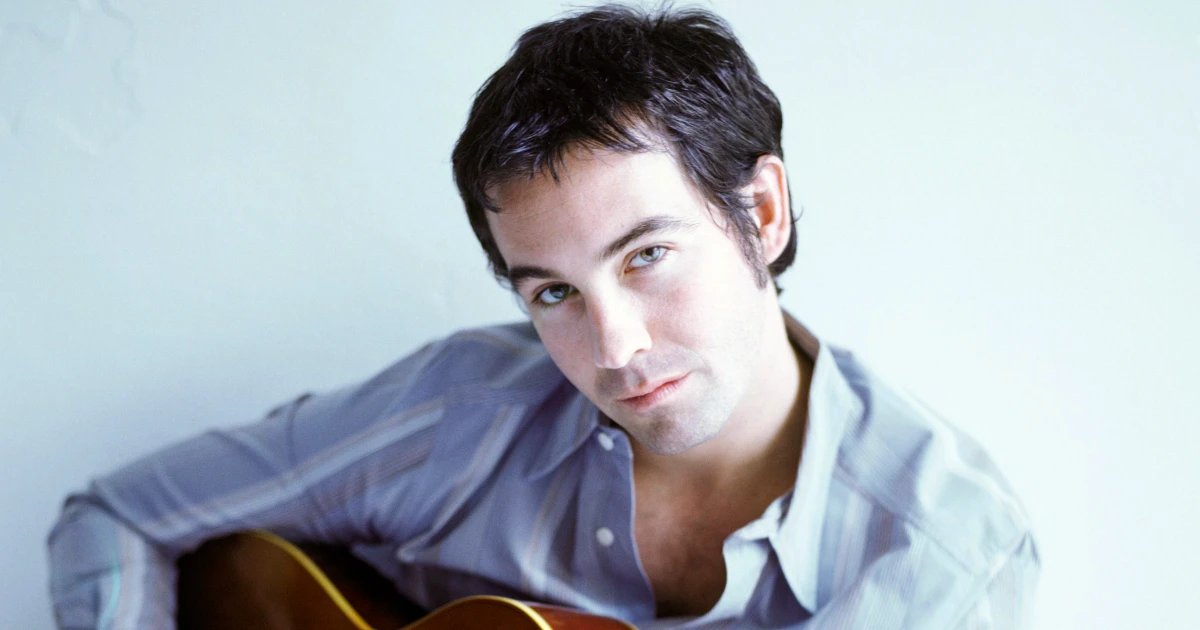
Back in 2012, composer Duncan Sheik teased the development of a “Spring Awakening” movie. However, more than a decade later, the status of that cinematic project remains unclear. While the film’s future is uncertain, the stage production continues to resonate as a staple of modern musical theater.
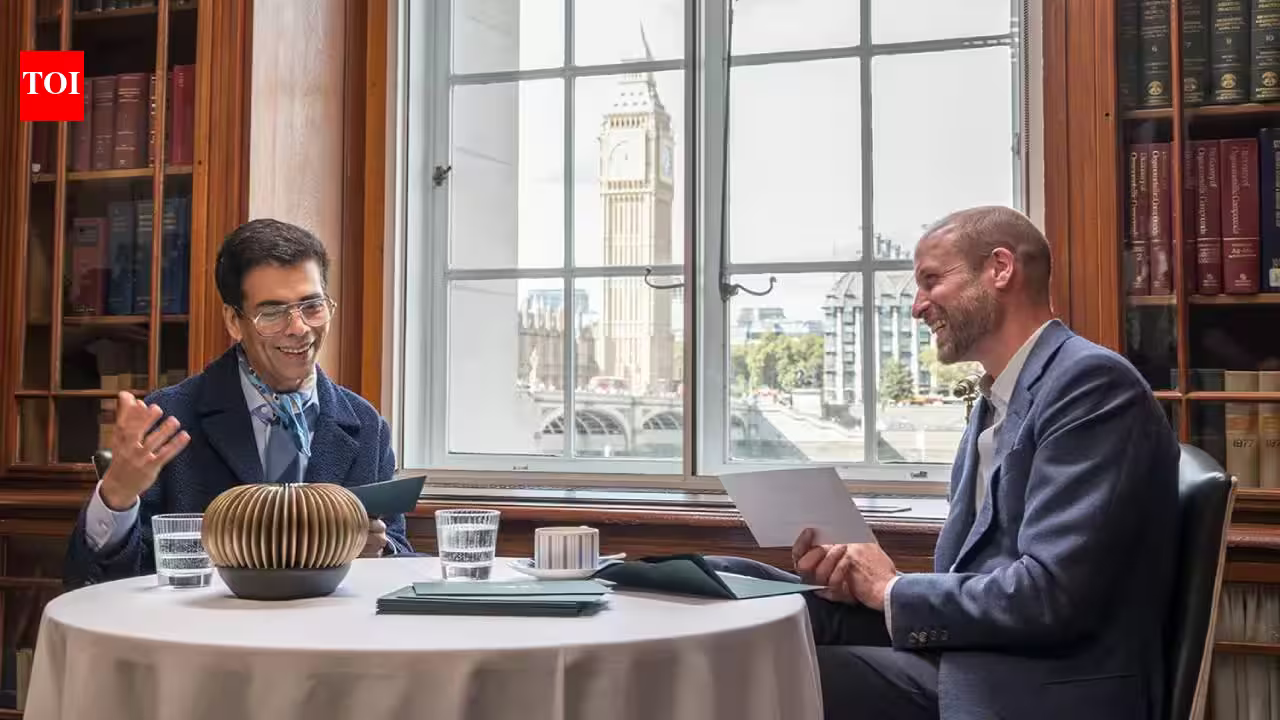
The origins of “Spring Awakening” were far from certain, according to Sheik. In a 2024 interview with freelance music journalist Daniel Van Auken, Sheik revealed that the idea for the musical came from his collaborator Steven Sater, whom he met through their shared practice of Buddhism.
“So, Steven said, ‘Why don’t we adapt this show as a musical?’” Sheik recalled to Van Auken. “Initially, I was like, ‘It’s a f—–g terrible idea. I don’t want to write a musical!’ But then we did it! And that’s how it went down.”
The success of the collaboration propelled Sheik into a prolific career in theater, leading to his work on “Alice by Heart” (2012), “American Psycho” (2013), “The Taming of the Shrew” (2016), and “The Secret Life of Bees” (2019). Reflecting on the creative process for “American Psycho” in a 2016 Billboard interview, Sheik noted the challenge of capturing the specific aesthetic of the protagonist’s world. He described the project as an exciting attempt to blend the emergence of house music and early techno with the traditions of musical theater.
Sheik’s career has not been without its personal hurdles. In 2011, the singer-songwriter canceled tour dates for his album “Cover 80s,” later revealing on his Tumblr that he was seeking treatment for alcohol addiction. Writing about the experience, Sheik noted that the “low point” actually affirmed his commitment to his creative life and his appreciation for his supporters. Following his recovery, Sheik spent time in Jakarta, Indonesia, where he continued to compose for various theater projects.
Throughout his journey, Sheik has credited Nichiren Buddhism—specifically the practice of mantra meditation—for helping him overcome his deep-seated stage fright. He explained to ABC News in 2016 that the meditative practice provided him with the confidence to use his voice, noting that the discipline of holding a single note in chanting served as the foundation for his development as a singer.
Those Buddhist principles also inform the thematic depth of his work, including “Spring Awakening,” which explores the emotional turbulence of teenagers navigating 19th-century repression. Sheik explained that the show’s characters embody the “10 life states” found in Buddhist philosophy, ranging from anger and hunger to enlightenment and compassion.
When asked in 2024 about his legacy, Sheik expressed pride in his artistic consistency. “I’ve been able to do what I wanted musically, which feels very gratifying,” he told Van Auken. “Even very obscure and deep album tracks that probably very few people have heard, I’m really proud of that stuff.”
Disclaimer: This content is auto-generated for informational purposes only.
Source: Read Original News