






In the glittering, high-stakes world of Bollywood, few actors possess the razor-sharp candor of Radhika Apte. While many of her contemporaries play the PR game with rehearsed perfection, Apte has built a career—and a reputation—on speaking the quiet parts out loud. Her recent reflections on the exhausting, often invisible reality of the “double shift” faced by working women have struck a nerve, resonating far beyond the cinematic frame of her latest project, Lust Stories 3.
The Myth of the Superwoman
We live in an era that endlessly applauds the “working mom,” the woman who can have it all. Yet, as Radhika Apte points out with refreshing bluntness, the “having it all” narrative is often just code for “doing it all.” During a recent conversation regarding her appearance in the Netflix anthology Lust Stories 3, Apte dismantled the romanticized version of the modern woman’s life.
When asked whether women possess the same mental bandwidth as men to explore their own desires—sexual or otherwise—Apte didn’t mince words. She identified the culprit as a systemic lack of time. For the average working woman, the day doesn’t end when the office clock hits five or six; it merely shifts gears. By the time a woman finishes a 12-hour professional shift, she isn’t greeted by a chance to unwind, pursue a hobby, or indulge in self-reflection. She is greeted by the domestic apparatus: cooking, cleaning, child-rearing, and the relentless mental load of planning for the next day.
The Domestic Disparity: A Hidden Exhaustion
Apte’s commentary cuts deep because it highlights the staggering inequity in how households are managed. She paints a picture that is painfully familiar to millions: the man returns home from his job and is afforded the luxury of rest, while the woman’s second shift begins the moment she walks through the front door.
“After working a 12-hour shift, a woman comes home, cooks food, serves dinner to everyone, cleans the house, changes the bedsheets, prepares for the next day and takes care of all the household responsibilities,” Apte observed. She went a step further, calling out the archaic social expectation that allows husbands to prioritize their own rest—sometimes even sleeping in separate rooms to ensure they are “fresh” for work—while mothers are expected to remain in a perpetual state of service.
Her critique is a direct challenge to the patriarchal bargain that insists a woman’s professional success is an “extra” on top of her primary, non-negotiable domestic duties. When she asserts that going to a professional workplace is often “way easier” than the 24/7 labor of domestic management, she is stripping away the stigma that makes women feel guilty for wanting an equitable split of labor.
Beyond Motherhood: Reclaiming the Individual
Perhaps the most poignant aspect of Apte’s interview was her discussion on the erosion of identity. Society has a habit of folding a woman’s entire existence into the role of “mother,” as if the transition into parenthood is an eraser for every ambition, quirk, and dream held prior.
Apte argues that the “motherhood monolith” is a dangerous trap. By defining women solely by their contribution to the family unit, we ignore the person underneath. “Identity completely switches to motherhood, and that’s not true,” she insists. “You are also a person. There’s also a small child inside you who wants to try different things and just live life.”
This is not a condemnation of motherhood; it is a plea for the recognition of a woman’s full humanity. Whether it is the desire for intimacy, the need for a quiet walk in a local park, or the pursuit of a passion project, Apte emphasizes that these are not luxuries—they are fundamental components of a healthy, individual life.
Lust Stories 3: Art Reflecting Reality
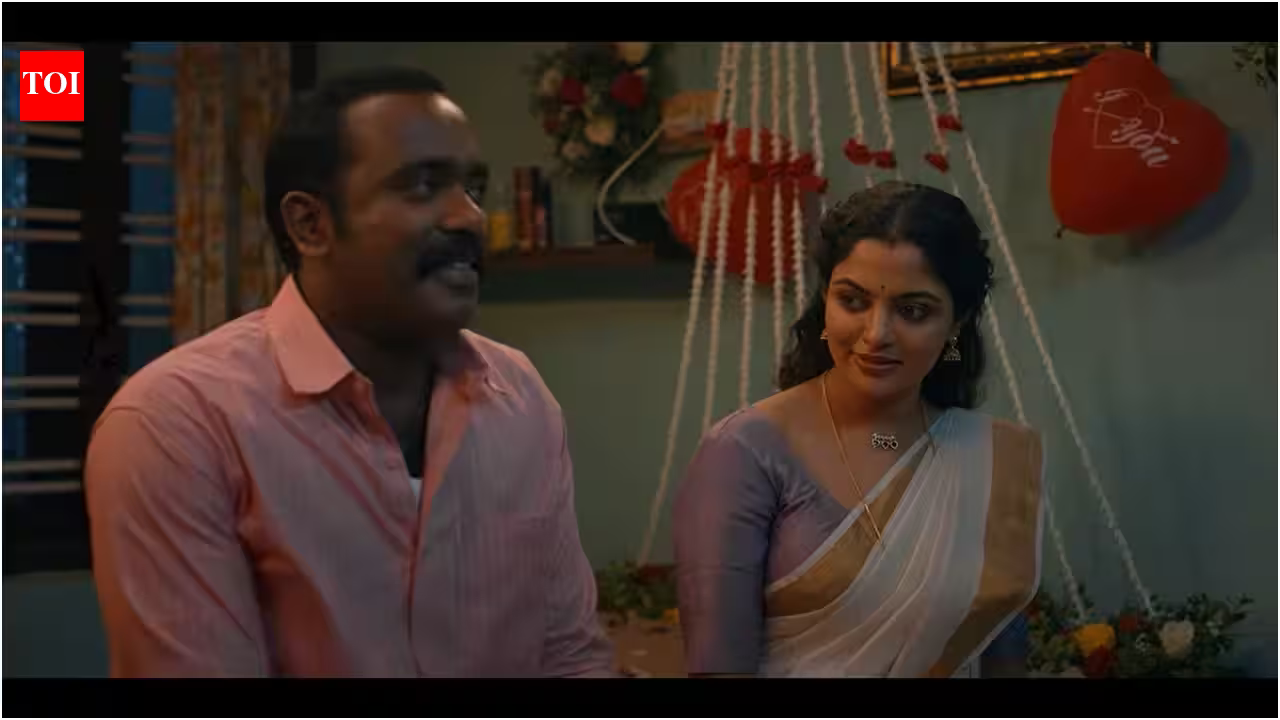
It is fitting that these conversations are happening in the context of Lust Stories 3, an anthology that has never shied away from exploring the complicated, messy, and often taboo facets of human desire. Directed by Vikramaditya Motwane, Apte’s segment offers a lens into the lives of women who are searching for agency in spaces where they have been marginalized.
The character she portrays, Padma, acts as a vessel for these frustrations. When the script asks the question of whether a woman has the time to do something for herself, it isn’t just a line of dialogue—it is a mirror held up to the audience. Apte’s performance serves as a reminder that the “desire” being explored isn’t exclusively sexual; it is the desire for autonomy. It is the desire to move through the world as an individual rather than a cog in a domestic machine.
The Path Forward
As we move further into a decade defined by vocal advocacy for gender equality, Radhika Apte’s perspective serves as a necessary grounding force. It’s easy to talk about empowerment in corporate boardrooms or on red carpets, but real change begins in the kitchen, the bedroom, and the daily distribution of chores.
Her message is clear: if duties were genuinely shared, the “zero time” problem would begin to dissolve. We have spent decades telling women they can do it all; perhaps it is time we start asking why we expect them to. By validating the need for women to have space for themselves—away from the demands of work and the expectations of family—Apte is advocating for a shift in consciousness. It is a call to recognize that when a woman prioritizes her own humanity, she isn’t failing her family; she is sustaining the person who keeps it all together.
In a film industry that often prefers its stars to be soft-spoken, Apte remains a defiant, necessary voice. Through her work in projects like Lust Stories 3 and Raat Akeli Hai, she continues to challenge the status quo, reminding us that the most important stories are often the ones happening right under our own roofs.
Disclaimer: This content is auto-generated for informational purposes only.
Source: Read Original News