






Beyond the Silver Screen: Why ‘RamBola’ Represents a New Era of Conscious Filmmaking
In an industry often defined by high-stakes gambles and the pursuit of opening-weekend box office dominance, a seismic shift is occurring. It is no longer just about the scale of the production or the spectacle of the cinematography; it is about the intent behind the camera. Director Vishal Chaturvedi, riding the phenomenal wave of his surprise blockbuster Hanuman Ansh, has returned to the spotlight not just with a new project, but with a bold, unprecedented vow that is forcing the trade pundits to rethink what it means to be a “successful” filmmaker in modern India.
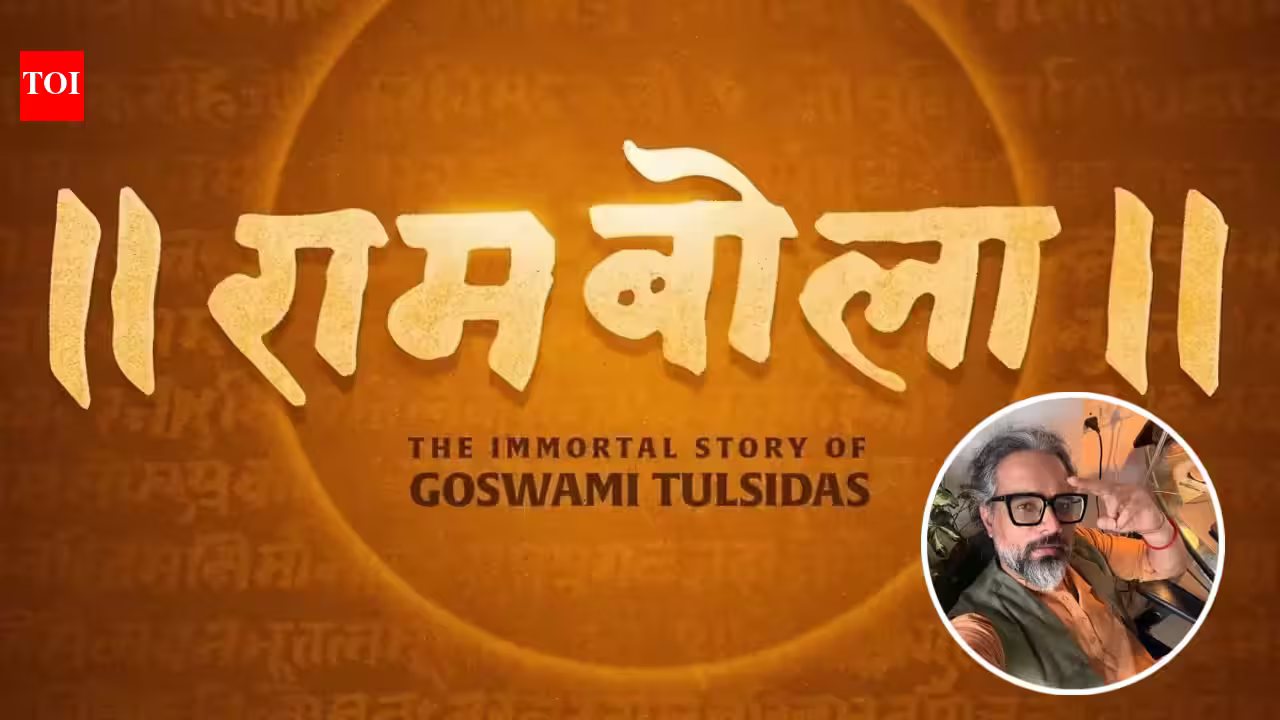
His latest project, RamBola – The Immortal Story of Goswami Tulsidas, promises a deep dive into the life of the saint-poet who gave the world the Ramcharitmanas. Yet, the headlines currently belong less to the casting rumors and more to a philanthropic pledge that has sent ripples through the corridors of Bollywood: the decision to dedicate 100% of the personal earnings from the film to social welfare projects.
The ‘Seva’ Philosophy: A Departure from Corporate Greed
For decades, the narrative of the film industry has been driven by profit margins, celebrity paychecks, and, occasionally, the vanity of the stars. Mahaveer Jain and Amit Upadhyay, the producers behind RamBola, are attempting to disrupt this status quo. By committing their entire personal savings and earnings from the film to the Seva Sankalp initiative—a movement inspired by Prime Minister Narendra Modi—the producers are signaling a pivot toward “conscious cinema.”
This isn’t merely a marketing gimmick; it is a structural change in how a film’s legacy is measured. When trade analyst Taran Adarsh took to social media to announce the pledge, the industry’s response was one of cautious admiration. It asks a fundamental question of the audience: If a film’s profits are directly tied to feeding the needy, supporting the downtrodden, and fueling grassroots welfare, does the film become something more than just entertainment? It transforms the act of buying a movie ticket into an act of civic participation.
From ‘Hanuman Ansh’ to ‘RamBola’: The Chaturvedi Brand
To understand the gravity of RamBola, one must first look at the meteoric rise of Vishal Chaturvedi. His previous film, Hanuman Ansh, was, by all conventional industry standards, an underdog. Produced on a lean budget of approximately Rs. 2 crore, it was a modest project that bloomed into a cultural phenomenon. By focusing on the spiritual journey of Neem Karoli Baba, Chaturvedi tapped into a vein of Indian sentiment that was clearly underserved by mainstream big-budget actioners.
The numbers were staggering: Hanuman Ansh shattered expectations, crossing the Rs. 250 crore mark in India net collections and pushing beyond Rs. 295 crore in gross domestic figures. It proved that audiences are hungry for stories rooted in Indian heritage, spirituality, and moral fortitude. With RamBola, Chaturvedi is essentially doubling down on the “devotional epic” genre, turning his lens toward the man who arguably shaped the devotional landscape of Northern India more than any other figure: Goswami Tulsidas.
The Weight of the Subject Matter
Bringing the life of Tulsidas to the screen is no small feat. He is a towering figure, the bridge between the common man and the divine narrative of Lord Ram. For a director like Chaturvedi, the challenge is twofold: he must balance the historical reverence demanded by the subject with the high-octane storytelling that made Hanuman Ansh a success.
The film was officially unveiled on the auspicious occasion of Ganesh Chaturthi, a choice that underscores the filmmaker’s commitment to his roots. By positioning the life of the poet as “The Immortal Story,” Chaturvedi is aiming for a timeless quality. This isn’t intended to be a flash-in-the-pan release; it is meant to be a cinematic text that remains relevant for generations, much like the literary works of Tulsidas himself.
The Franchise Blueprint: What’s Next for Chaturvedi?
While RamBola commands the headlines, it is important to note that Vishal Chaturvedi is not abandoning the world he built with his debut hit. Sources confirm that a sequel to Hanuman Ansh is already in active development. This suggests that the director is crafting a cinematic universe built on the pillars of spiritual biography and cultural legacy.
In an era where “universes” in cinema are usually defined by capes, comic books, or intergalactic conflicts, Chaturvedi is carving out a unique niche: the Spiritual Universe. By alternating between franchise sequels and ambitious standalone projects like RamBola, he is establishing a brand that feels both prestigious and grounded in the soil of India.
A New Benchmark for Accountability
As we wait for further details on the cast and production timeline of RamBola, the real takeaway from this announcement is the changing power dynamic of the Indian film industry. When producers pledge their own earnings toward public welfare, they shift the scrutiny away from just “how much money the movie made” to “how much good the movie did.”
Critics and fans alike will be watching closely. Can RamBola replicate the staggering financial success of Hanuman Ansh? If it does, the pressure on other major studios to adopt similar “Seva-based” models will be immense. Vishal Chaturvedi has effectively turned the film industry’s mirror toward itself, asking it to look beyond the box office and consider the societal impact of the stories we tell. Whether or not this becomes a trend, it is undeniably a bold, refreshing, and profoundly human way to produce a movie. In a cynical world, the vision of a director donating his sweat and tears for the sake of seva is, perhaps, the most compelling plot twist of the year.
Disclaimer: This content is auto-generated for informational purposes only.
Source: Read Original News