









Engineering Independence Through Adaptive Design
For millions of individuals, the natural process of aging or the unexpected onset of a medical condition can create significant barriers to daily living. While modern technology often focuses on communication or health monitoring, some of the most profound impacts on quality of life come from innovations in adaptive daily living tools. One such development is the Bottom Buddy, a device categorized as a specialized hygienic wiping aid. By addressing the physical challenges associated with reduced mobility, joint pain, and limited range of motion, this tool provides a technical solution to a persistent private need.
The device is engineered to bridge the gap between physical limitations and the necessity of personal hygiene. Unlike generalized tools, the Bottom Buddy is designed with specific ergonomic requirements in mind, focusing on the mechanical leverage needed to perform delicate tasks without the requirement for repetitive, painful body contortions or excessive twisting.
The Mechanics of the Curved Ergonomic Wand
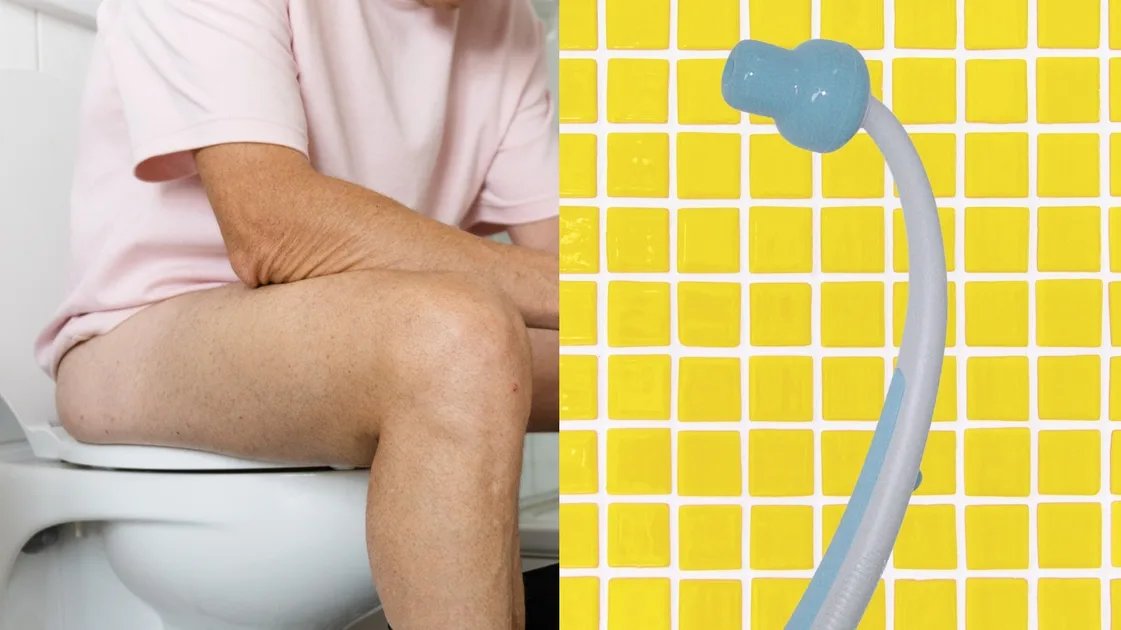
The primary design feature that differentiates the Bottom Buddy from other market alternatives is its distinct, curved profile. Many basic wiping aids utilize a straight handle, which forces the user to navigate awkward angles to achieve the necessary reach. This often results in incomplete cleaning or physical strain for individuals with limited shoulder or spinal flexibility.
The Bottom Buddy’s curvature is deliberate and precision-engineered. By following a natural anatomical arc, the device allows the user to apply directed pressure to the required area with minimal movement of the arm or torso. This structural design ensures that the force applied is consistent and effective, meeting the demands of hygiene with efficiency. The handle length is calibrated to maximize the reach for users who may have chronic back pain, orthopedic surgery recovery, or mobility limitations post-stroke.
Functional Features and Materials
Beyond its shape, the operational mechanics of the Bottom Buddy are centered on ease of use and sanitation. The head of the wand is composed of a durable, flexible, yet firm material featuring three distinct sections that resemble tulip petals. This mechanical gripper is designed to securely hold either dry toilet paper or pre-moistened wipes.
A critical component of this design is the integrated release mechanism. Located conveniently on the handle, a release trigger allows the user to dispose of used materials directly into the toilet without manual contact. This functionality is essential for individuals who must maintain strict hygiene standards or for those who lack the fine motor control required to remove soiled paper manually. The head is constructed from a non-porous silicone-based material, which is easy to sanitize, resisting bacterial buildup and ensuring the tool remains clean for repeated, long-term use.
Use-Cases Beyond Aging
While the product is frequently associated with geriatric care, its application extends to a broad spectrum of medical scenarios. Surgeons and occupational therapists often recommend such devices for patients navigating the immediate aftermath of spinal surgeries, hip replacements, or other orthopedic procedures where bending or twisting is strictly contraindicated.
The tool has also become a standard recommendation for those managing chronic conditions such as severe arthritis, multiple sclerosis, or post-stroke recovery, where strength and range of motion are temporarily or permanently altered. By removing the technical burden of a complex physical task, the device shifts the focus from the act of cleaning to the maintenance of personal health and sanitation, effectively mitigating the frustration that often accompanies loss of physical autonomy.
Impact on User Autonomy
The technological impact of the Bottom Buddy is best measured by the feedback of its users, many of whom describe the product as a catalyst for regained confidence. For individuals accustomed to needing assistance for the most private tasks, the ability to perform these functions independently is a substantial milestone in rehabilitation and daily management.
The device is designed to be portable and unobtrusive, allowing users to maintain their routines in different environments, including the workplace or while traveling. By standardizing a method for hygienic maintenance, the Bottom Buddy provides a reliable, repeatable, and hygienic solution that standard methods cannot match for individuals with physical restrictions. As assistive technology continues to evolve, the success of such tools highlights the importance of user-centric design, where the focus remains on solving fundamental physical obstacles through intuitive, simple, yet highly effective engineering.
For those who rely on such equipment, the value lies in the restoration of a private, dignified routine, turning a challenging manual task into a simple, manageable process. Through its focus on ergonomics, sanitation, and ease of operation, this tool remains a highly regarded example of how targeted innovation provides significant, measurable improvements in human health and personal independence.
Disclaimer: This content is auto-generated for informational purposes only.
Source: Read Original News