








Ministry of Home Affairs Declares Network Linked to Pakistani Influencer a Terrorist Group
NEW DELHI – In a significant crackdown on cross-border digital radicalization, India’s Ministry of Home Affairs (MHA) has officially designated a terror network linked to Pakistani social media influencer Shahzad Bhatti as a banned terrorist organization. The move follows an exhaustive two-year intelligence probe that traced the group’s expansion from its roots in Punjab to its operational presence across 14 states.
The designation marks a major escalation in the Indian government’s efforts to dismantle unconventional terror modules that utilize social media platforms to infiltrate national security boundaries. Authorities have stated that the network’s primary agenda was to cultivate a pervasive sense of fear and instability while simultaneously bolstering the reach and influence of Bhatti within Indian borders.
A Two-Year Deep Dive into Subversive Activities
The crackdown is the culmination of a long-term investigation by security agencies, which identified Shahzad Bhatti as a central figure in coordinating anti-India activities from Pakistan. Over the past 24 months, law enforcement agencies across several states have intercepted individuals suspected of operating on behalf of the influencer.
Under the provisions of the stringent Unlawful Activities (Prevention) Act (UAPA), multiple young men have been apprehended and incarcerated. Intelligence dossiers suggest that these individuals were not merely followers of Bhatti’s online persona, but were active operatives tasked with executing a range of subversive assignments designed to weaken the internal security fabric of the country.
Operational Modus Operandi
According to findings uncovered during the investigation, the network employed sophisticated, albeit unconventional, methods to maintain a presence on the ground. The operatives were reportedly involved in a multi-pronged strategy intended to intimidate the public and gather intelligence on sensitive locations.
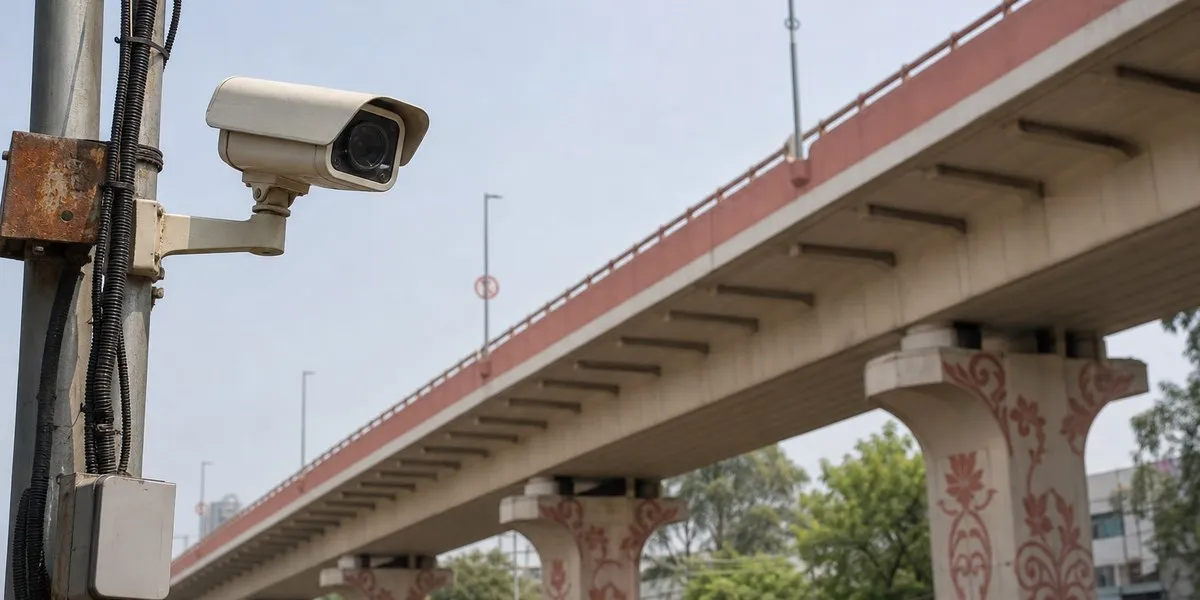
Specific tasks assigned to these operatives included the proliferation of propaganda through posters and physical media glorifying Bhatti and his closest associates. Perhaps more concerning, investigators revealed that the network had instructed its recruits to install clandestine surveillance equipment in the vicinity of critical infrastructure and high-security facilities. Security analysts note that the footage captured by these devices was being surreptitiously transmitted back to handlers in Pakistan, posing a direct threat to national interest.
Beyond surveillance and propaganda, the group was also implicated in organized criminal activities, including systematic extortion calls. By leveraging fear and the digital reach of their benefactor, the operatives attempted to exert control and extract financial resources from targets within India, further highlighting the criminal-terror nexus of the module.
Strategic Implications
The Ministry of Home Affairs’ decision to label this network a terrorist organization is being viewed as a strong signal to external actors attempting to use digital platforms to foment unrest within India. By targeting the influencer at the helm of the network, the government is highlighting the changing nature of modern warfare, where social media personalities can be weaponized to recruit youth and orchestrate criminal activities from thousands of miles away.
As the legal proceedings against the detained operatives continue, security agencies remain on high alert. Authorities are currently conducting follow-up operations across the 14 identified states to root out any remaining sleeper cells connected to the Bhatti network and to prevent the further spread of its toxic influence.
Disclaimer: This content is auto-generated for informational purposes only.
Source: Read Original News