






Naval Tensions Rise as India and Pakistan Trade Blame Over North Arabian Sea Collision
Diplomatic friction between New Delhi and Islamabad has intensified following a maritime collision in the North Arabian Sea on September 15. The incident, which involved the Indian guided-missile destroyer INS Kolkata and the Pakistani offshore patrol vessel PNS Hunain, has prompted a formal diplomatic protest from India, citing a direct breach of established naval safety protocols.
The Sequence of Events
According to the Ministry of External Affairs (MEA), the encounter occurred while the INS Kolkata was conducting routine maritime surveillance in international waters. Indian authorities assert that the Pakistani vessel approached at a high velocity and executed a reckless overtaking maneuver, which eventually led to the contact between the two ships.
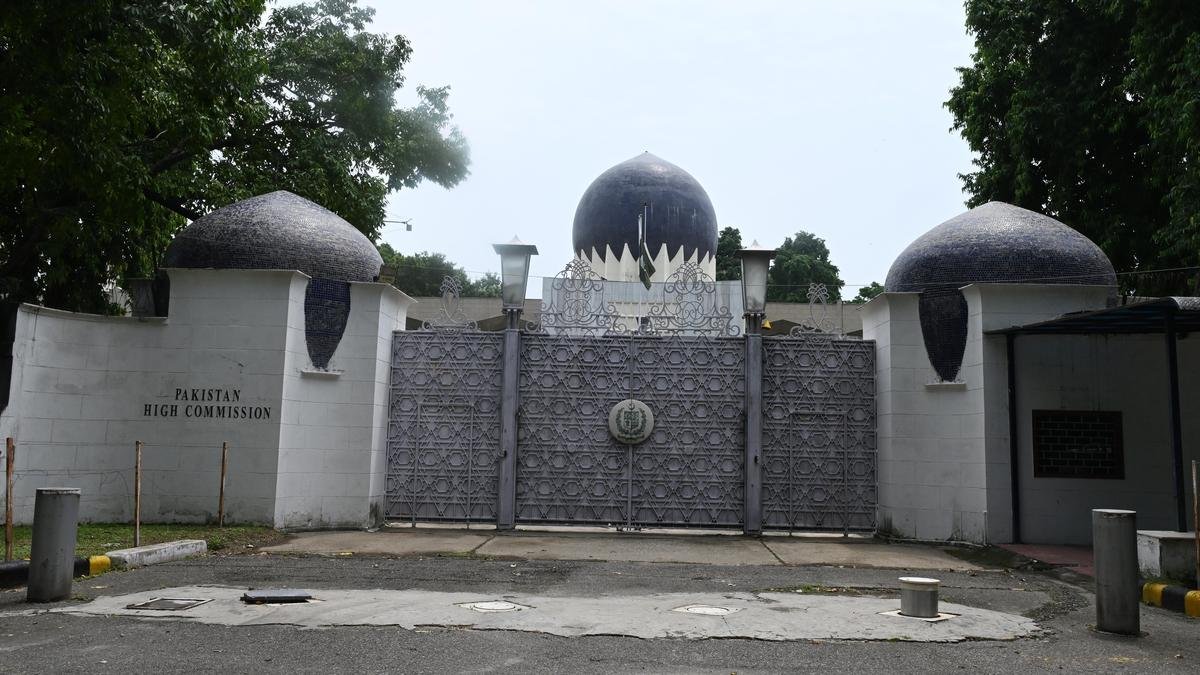
In response to the incident, India summoned Pakistan’s Chargé d’Affaires to lodge a strong protest. New Delhi has explicitly accused the Pakistani crew of violating Article 10 of the 1991 India-Pakistan agreement, a bilateral framework designed to prevent maritime accidents. While the Indian warship escaped with no significant structural damage and remains on active deployment, the PNS Hunain reportedly sustained damage and was forced to return to port for repairs.
Pakistan has categorically denied these allegations, countering that it was the Indian warship that engaged in provocative behavior. As both nations continue to offer conflicting accounts of the maneuvering that preceded the impact, the exact timeline of the incident remains a point of contention.
Understanding the Naval Assets
The collision involved two vastly different classes of warships. The INS Kolkata, commissioned in 2014, is a formidable 7,400-tonne destroyer equipped with long-range air defense and the potent BrahMos supersonic cruise missile. Designed as a high-end surface combatant, it represents the backbone of India’s naval strike capabilities.
Conversely, the PNS Hunain is a significantly smaller offshore patrol vessel commissioned only months ago in July 2024. At approximately 2,600 tonnes, the Romanian-built ship is optimized for maritime security, surveillance, and patrol duties. While it features advanced electronic warfare and self-defense systems, it is not a heavy strike platform like the Indian destroyer.
The 1991 Safety Agreement
The core of India’s protest rests on the 1991 bilateral Agreement on Advance Notice on Military Exercises, Maneuvers, and Troop Movements. Article 10 of this treaty specifically mandates that naval vessels from both nations maintain a minimum separation distance of three nautical miles (approximately 5.6 kilometers) when operating in international waters to mitigate the risk of accidents.
While international maritime law provides general guidance on avoiding collisions, this specific provision is a bilateral confidence-building measure intended to prevent miscalculations between the two historically adversarial navies. This is not the first instance of such friction; in 2011, a similar encounter between the INS Godavari and the PNS Babur in the Gulf of Aden resulted in minor damage and subsequent diplomatic protests.
Current Diplomatic Stance
New Delhi has instructed its diplomatic mission in Islamabad to formally raise the issue with the Pakistani Foreign Ministry. The Indian government has urged Pakistan to ensure its military units operate with greater caution and strict adherence to bilateral agreements to prevent future confrontations. As tensions simmer, the international community remains watchful of how these two nuclear-armed neighbors manage this latest breach in maritime decorum.
Disclaimer: This content is auto-generated for informational purposes only.
Source: Read Original News