







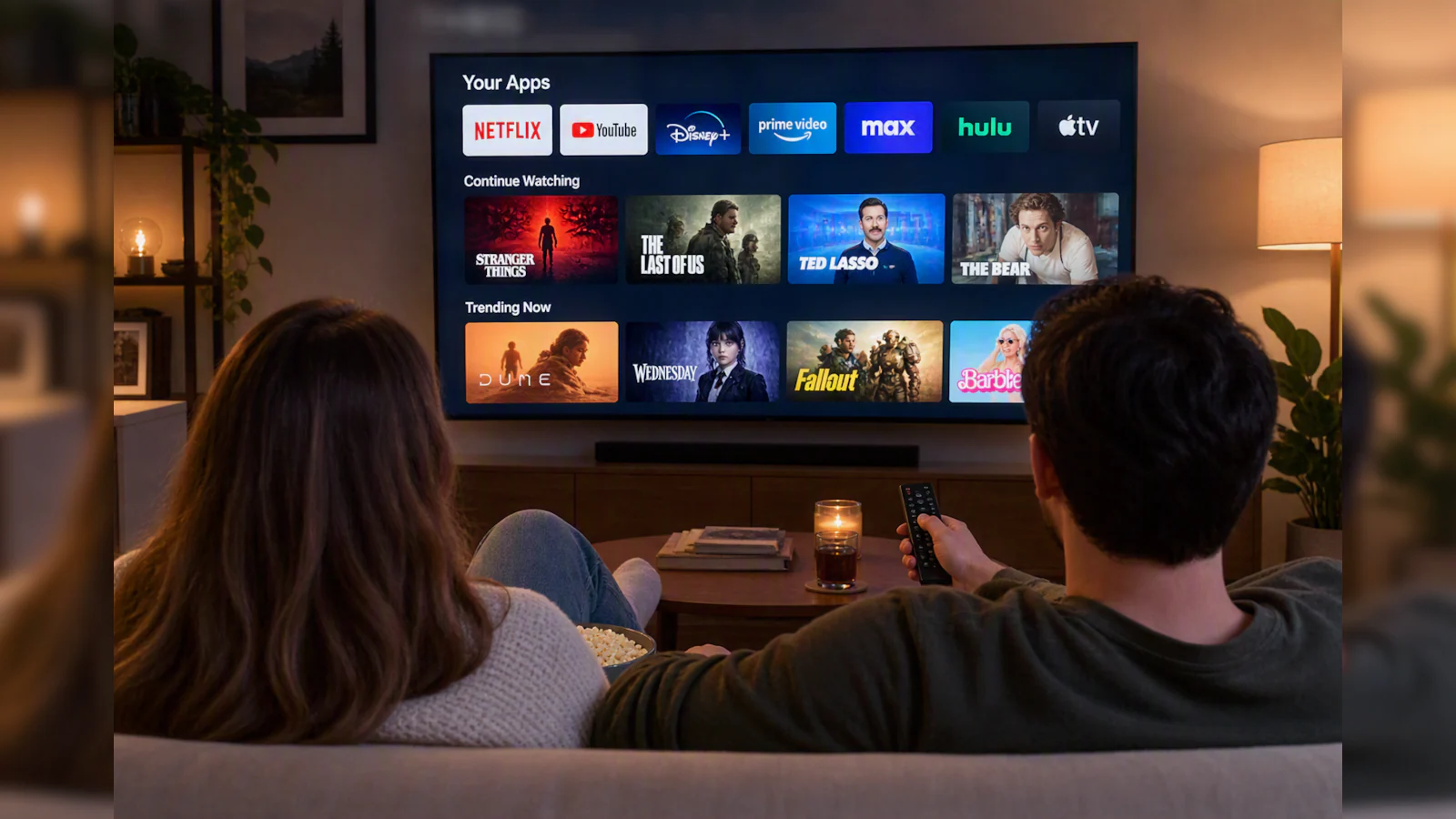
The “doom-scrolling” phenomenon—where viewers spend more time browsing streaming menus than actually watching content—has become a hallmark of the modern digital experience. As platforms like Netflix, Disney+, and various regional OTT services expand their libraries, the sheer volume of choice has triggered a paradox: having everything at our fingertips makes it harder to choose anything at all.
However, the tech industry is pivoting toward a solution. By shifting from traditional, index-based search to intent-based Artificial Intelligence, companies are attempting to transform streaming services from static catalogues into intuitive entertainment assistants.
## Moving Beyond the Keyword Search
Current streaming interfaces rely on the user knowing what they want. If a viewer knows the title of a show or the name of an actor, they can find it easily. But for the vast majority of users who are simply looking to match their current mood with a piece of content, the traditional interface fails.
Tech experts argue that the future of entertainment discovery lies in “intent-based” computing. Instead of searching by genre or title, users will soon be able to voice complex, context-heavy requests to their devices. A viewer might ask their television, “I had a stressful day, show me something light and funny that I don’t have to think too hard about,” or “Find a family-friendly movie that my eight-year-old and I can watch together.” By understanding the human intent behind a request, AI models can bridge the gap between a massive database of titles and a specific, fleeting human emotion.
## Personalization Through Deep Context
While companies like Netflix have long utilized algorithms to recommend titles, these systems have historically been limited to past viewing behavior. New AI-driven approaches aim to incorporate real-time context. Advanced systems could soon distinguish between a viewer’s preferences based on their current environment: prioritizing short-form sitcoms on busy weeknights, or offering long-form cinema for a relaxed Friday evening.
This evolution is particularly significant in diverse markets like India, where the sheer number of languages and cultural demographics makes one-size-fits-all recommendations obsolete. As industry leaders note, the challenge is shifting from mere availability to high-level relevance. By considering factors like the device in use, the time of day, and the regional language preference, AI can curate a unique experience that feels personalized rather than automated.
## The Future: A Unified Entertainment Assistant
The next logical step in this evolution is the integration of fragmented services. Currently, a viewer must jump between different applications for music, live sports, and film. Future connected TV ecosystems, bolstered by AI, aim to break down these silos.
If successful, the television will evolve into a personal assistant. Integration could extend beyond the screen, where a single voice prompt doesn’t just pull up a movie—it triggers a “smart home” response. The lights might dim, the sound profile could adjust for cinema mode, and the device could curate content across all installed apps simultaneously.
However, this convenience comes with technical and ethical hurdles. Providing machines with this level of insight into our habits necessitates high levels of data collection. Furthermore, there is the risk of “filter bubbles,” where hyper-personalized algorithms trap users in a loop of familiar content, potentially robbing them of the joy of discovering something truly new.
As we look toward 2025 and beyond, the goal of major tech players is clear: the screen should no longer be a digital library for us to scavenge through, but a smart companion that understands exactly what we need, precisely when we need it.
Disclaimer: This content is auto-generated for informational purposes only.
Source: Read Original News