









For years, the definition of a “smart city” in India was dominated by images of sleek command centers, high-definition cameras, and data-heavy dashboards. While these technological marvels were designed to usher in a new era of urban living, a more fundamental metric for success is emerging: the cleanliness of the street. As the Smart Cities Mission marks a significant completion rate—with over 94% of projects finished—the focus is shifting from simple digital tracking to tangible, on-the-ground outcomes.
## Bridging the Gap: Data vs. Reality
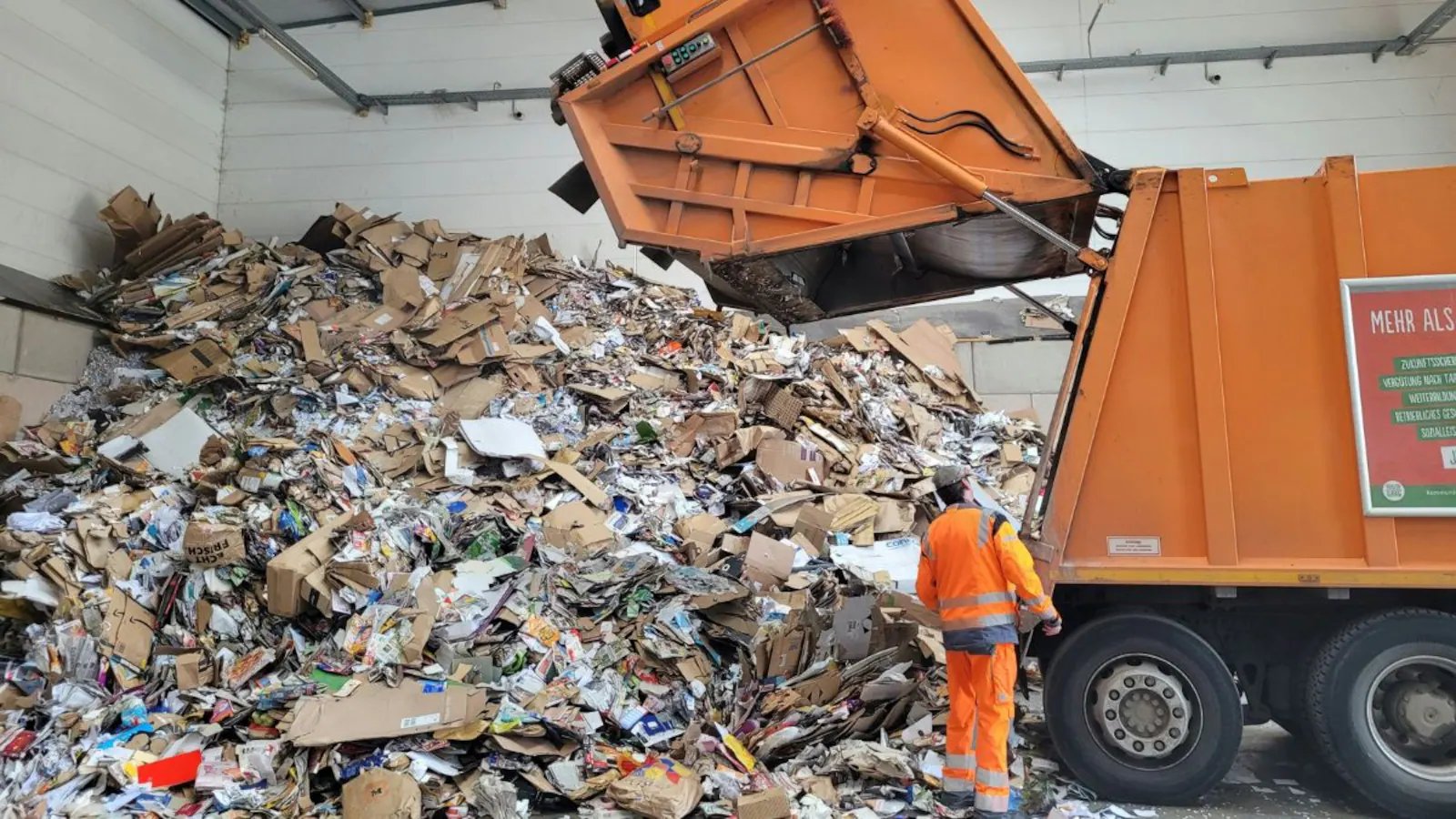
India has invested roughly Rs 1.64 lakh crore into thousands of urban projects, with a major emphasis on modernizing solid-waste management. Currently, more than 66 cities utilize RFID-enabled vehicles to provide a digital breadcrumb trail for municipal authorities. This transition away from manual supervision to real-time, GPS-based monitoring has yielded undeniable progress; government data from the Economic Survey 2025-26 indicates that door-to-door waste collection now covers 98% of urban wards.
However, the rapid expansion of digital monitoring tools has revealed a plateau in service effectiveness. While Integrated Command and Control Centres can pinpoint the location of a truck, they cannot autonomously solve issues like littering near bus stops or the accumulation of waste in high-footfall market areas. As the industry evolves, the limitation of a digital dashboard becomes clear: technology can organize a system, but it cannot replace the manual labor required for granular, last-mile sanitation.
## The Role of AI and Specialized Tech
The next frontier in urban sanitation is moving beyond the bird’s-eye view of command centers toward the integration of specialized, localized hardware. Experts note that while RFID and GPS have effectively made “invisible” municipal operations visible, the future relies on blending this connectivity with practical machinery.
The industry is seeing an influx of specialized tools, such as compact, agile litter-picking machines. These devices are designed to tackle the specific types of waste that large collection trucks miss—items like single-use plastic bottles, leaf debris, or wrappers in narrow alleyways. By deploying these assets, cities are essentially using technology as a support layer rather than a total replacement for frontline workers. This evolution mimics broader global trends in smart-tech development, where AI-driven analytics are increasingly paired with robotics to solve specific, fragmented problems rather than relying on blunt, large-scale automation.
## Redefining the Smart City
The true test for the next generation of smart cities will not be the sophistication of their servers, but the cleanliness of their public spaces. The existing digital infrastructure—including the 100 operational command centers nationwide—provides a robust foundation. The challenge now lies in enforcement, improved waste segregation at the source, and a more rigorous approach to maintenance.
Industry leaders argue that the “smart” label should be earned through the marriage of existing digital trails with adaptive, practical cleaning solutions. As cities grapple with the realities of urban growth, the definition of success is being rewritten. It is no longer enough to know where every garbage truck is at any given hour; it is about ensuring that the residents of those cities can walk down a clean street.
Ultimately, India’s urban mission is entering a second phase. If the first decade was about building the “nervous system” of the smart city—the sensors, the networks, and the tracking—the coming years will be defined by how effectively these cities translate that data into cleaner, more efficient environments for their citizens. The transition from digital dashboards to clean pavements represents the final, and perhaps most difficult, hurdle in the smart city journey.
Disclaimer: This content is auto-generated for informational purposes only.
Source: Read Original News