






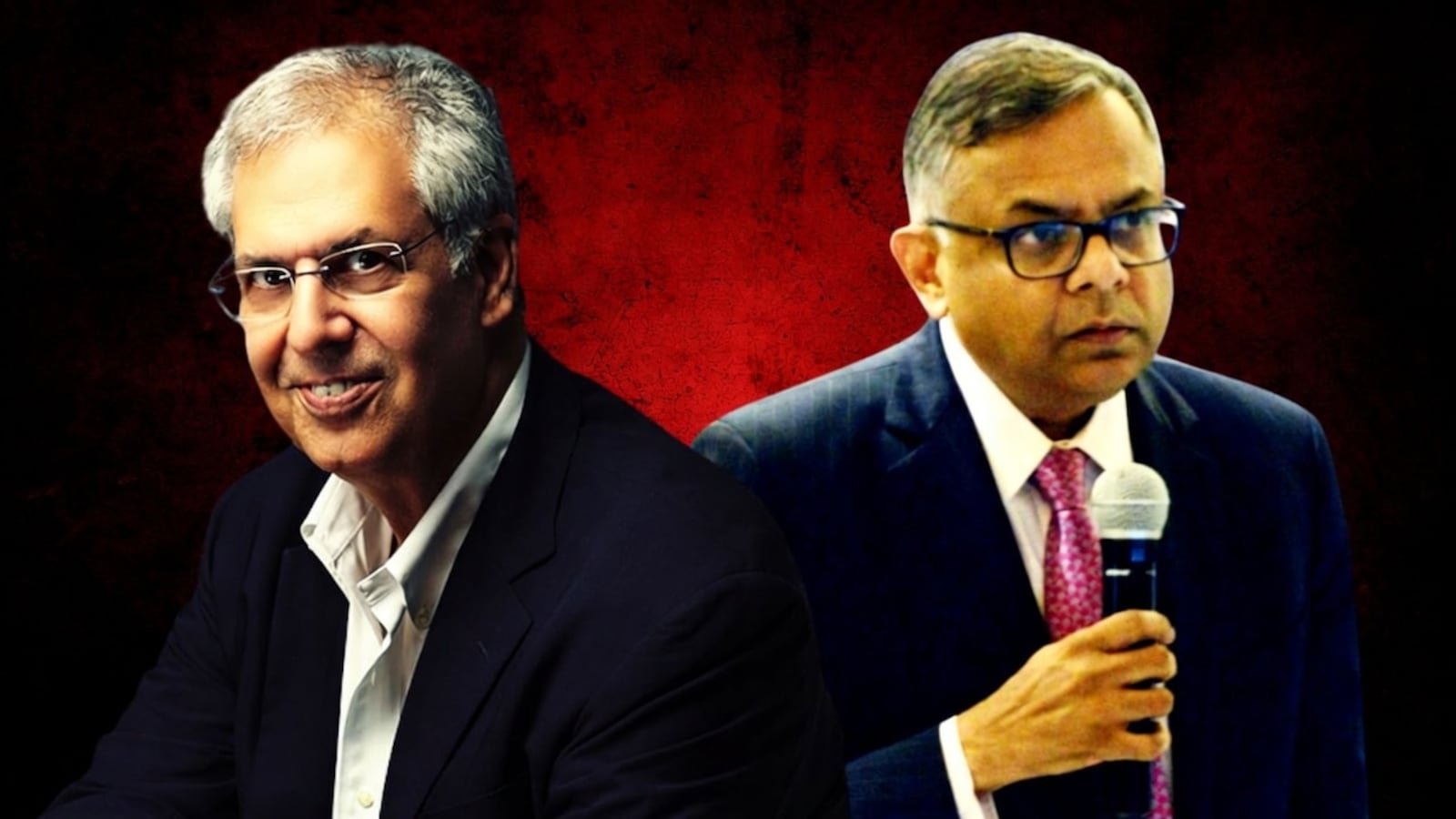
The ongoing boardroom conflict within the Tata Group is intensifying, shifting focus from pure corporate governance to the contentious issue of legal financing. As the standoff between Tata Trusts chairman Noel Tata and Tata Sons chairman N Chandrasekaran approaches a potential courtroom battle, stakeholders are raising alarms over which entities should bear the mounting costs of this high-stakes legal warfare.
This internal discord is not merely a localized corporate dispute; it serves as a critical case study for modern governance. As digital transformation continues to reshape the landscape of traditional business, organizations are increasingly turning to AI-driven analytical tools to assess risk and monitor complex shareholder relations.
## The Question of Financial Accountability
The friction reached a new level when Mehli Mistry, a trustee of the Tata Education and Development Trust (TEDT), formally objected to any potential use of the trust’s capital to fund the legal maneuvers associated with the Tata Trusts-Tata Sons rift. In a communication directed to the trust’s leadership, Mistry underscored that TEDT holds no stake in Tata Sons and should remain insulated from such corporate disagreements.
While there is currently no evidence that educational trust funds are being diverted to pay for legal counsel, Mistry’s preemptive strike reflects a broader trend of increased financial transparency and accountability in large-scale corporate entities. In today’s tech-heavy environment, stakeholders demand audit trails that are as precise as those generated by automated financial management software, ensuring that charitable or educational funds are strictly utilized for their intended mandates rather than boardroom litigation.
## Legal Heavyweights Clash Over Governance
The legal teams assembled for this battle feature some of India’s most prominent legal experts. Senior advocate Abhishek Manu Singhvi is representing the interests of Tata Trusts, while Harish Salve provides counsel for N Chandrasekaran and the Tata Sons board.
The involvement of such high-profile figures underscores the severity of the dispute, which hinges on the interpretation of the Articles of Association and the specific governance powers granted to Tata Trusts’ nominees. This legal complexity is mirrored in the tech sector, where legal teams frequently navigate intricate regulatory frameworks, intellectual property disputes, and antitrust investigations. The reliance on senior legal experts suggests that the Tata dispute will likely revolve around the nuanced interpretation of governance statutes—a process that is increasingly being augmented by machine learning models capable of synthesizing millions of pages of legal precedent to build stronger, more defensible positions.
## Reflecting on Historical Costs
The financial scope of this dispute recalls the substantial expenses incurred during the previous legal battle involving former chairman Cyrus Mistry. Estimates suggested that the combined legal fees for that conflict reached staggering levels, highlighting the immense burden that prolonged litigation places on corporate assets.
The current environment—marked by rising layoffs in the tech sector and a shifting economic landscape—has made investors and regulators particularly sensitive to how capital is allocated. As companies prioritize “doing more with less,” there is less tolerance for “runaway” legal spending. Whether the current dispute concludes through arbitration or a full trial, the role of transparent digital governance will be key.
Just as tech giants are using AI to optimize their supply chains and internal operations, corporations are increasingly forced to manage their public image and internal governance with the same level of data-driven rigor. As the Tata group navigates this crossroads, the outcome will likely impact the future of corporate governance in India, proving that in an age of total transparency, every legal bill and every boardroom vote is subject to intense public and stakeholder scrutiny.
Disclaimer: This content is auto-generated for informational purposes only.
Source: Read Original News