








The Pivot from PlayStation: A Strategic Shift for Kojima Productions
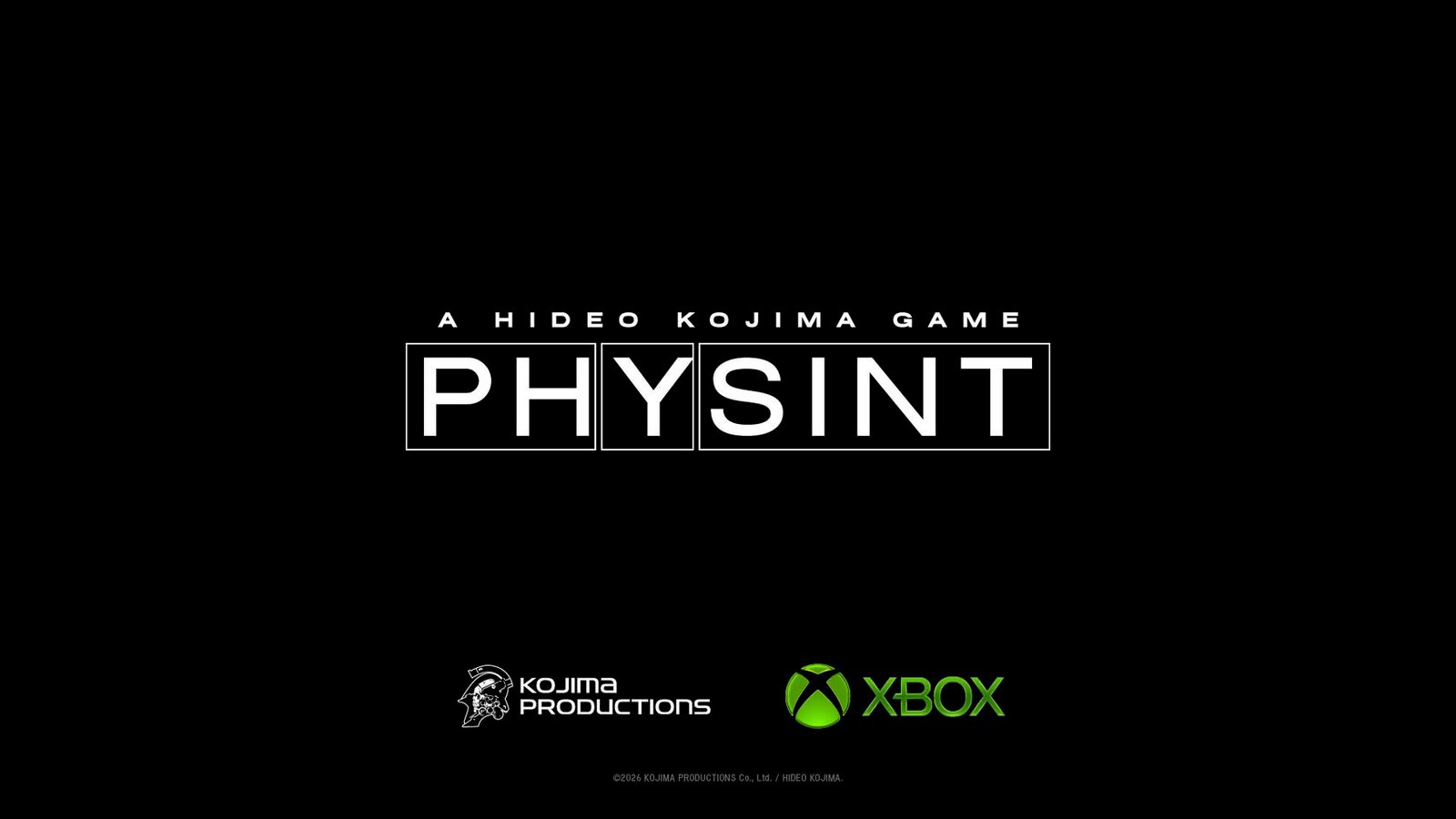
The landscape of high-budget interactive entertainment shifted significantly this year as Hideo Kojima, the visionary creator behind the Metal Gear and Death Stranding series, confirmed that his latest ambitious project, titled PHYSINT, has transitioned away from PlayStation. The partnership, which spanned roughly three decades of creative collaboration, concluded abruptly during a virtual meeting in June. According to Kojima, the decision to end Sony’s involvement came without specific reasoning provided by the platform holder, marking a sudden end to what many in the industry expected to be a cornerstone exclusive for the PlayStation ecosystem.
While the separation between Kojima Productions and Sony Interactive Entertainment has fueled speculation regarding the status of their long-standing professional ties, Kojima emphasized that there is no formal dispute between the parties. However, he expressed that the abrupt nature of the notification was unexpected, noting he would have preferred earlier communication to manage the studio’s internal planning. Following the split, the studio underwent a three-month search for a new partner to bring the vision of PHYSINT to fruition, eventually settling on Microsoft’s Xbox division.
Technical Ambitions and the Scope of PHYSINT
PHYSINT is being marketed not merely as a standard video game, but as a project that seeks to dissolve the boundary between film and interactive media. Kojima has previously described the project as a “next-generation action-espionage game,” a genre he helped define in the late 1990s. The technical requirements for such a title are immense, involving high-fidelity digital human rendering, complex environmental physics, and a seamless integration of cinematic storytelling with player agency.
The scope of the project requires substantial computational resources and a robust engine capable of handling high-density environments. By shifting to Xbox, Kojima Productions gains access to the cloud infrastructure and development toolsets provided by Microsoft. This move is significant because the studio was already in collaboration with Xbox on another project, OD, which experiments with high-end cloud gaming technology and photorealistic character animation. The integration of PHYSINT into the Xbox development pipeline suggests a deepening of the relationship between the two entities, potentially leveraging Microsoft’s massive server capacity to achieve the graphical fidelity Kojima demands.
Addressing Development Lifecycle Concerns
Recent reports from financial outlets have suggested that the separation between Kojima Productions and Sony was driven by economic factors rather than creative differences. Specifically, allegations surfaced that the project had fallen behind its established production schedule and was trending over its allotted budget. Additionally, some sources claimed that the previous Death Stranding installments did not meet the aggressive revenue benchmarks set by PlayStation leadership.
Kojima Productions has officially addressed these claims, categorizing them as unverifiable and stating that the studio remains in a healthy, profitable position. For developers of Kojima’s stature, balancing experimental, high-budget art with the demands of institutional shareholders is a perennial challenge. If the project were indeed over-budget, the transition to a new publisher suggests a fundamental disagreement regarding the financial appetite for such an experimental venture. By moving to Xbox, Kojima may be seeking a partner more willing to invest in the long-term R&D required for his cinematic style of game design, even if the timeline is less rigid than traditional corporate cycles.
The Multi-Platform Uncertainty
A major question remains regarding the final distribution of PHYSINT. When asked whether the title might still see a release on PlayStation consoles despite the current arrangement, Kojima remained cautious, noting that the decision rests with his new partners at Xbox. The shift in publishing agreements often dictates technical requirements for distribution, and it is unclear if the agreement with Microsoft includes exclusivity clauses or if it will follow a broader reach-focused distribution model.
Kojima noted that his impression of the Xbox strategy is one centered on accessibility, aiming to reach as many players as possible across various hardware configurations. However, he admitted that he does not have final confirmation on the platform rollout. For consumers, this creates a period of uncertainty regarding which hardware will be necessary to experience the game. As the development progresses, the industry will be watching to see if this project adheres to traditional console exclusivity or if it pushes toward a platform-agnostic distribution strategy that characterizes much of modern software delivery.
The Future of Interactive Espionage
The implications of this move go beyond a simple change in publishing labels. As the gaming industry moves toward higher costs of production, studios are increasingly pushed to choose between platform-funded exclusivity and independent, multi-platform models. Kojima’s transition reflects a broader trend where top-tier creators must navigate the tight margins of blockbuster game development.
For players, the primary interest remains the gameplay experience. PHYSINT aims to utilize modern hardware to create a cinematic experience that feels like a film but offers the level of interaction found in elite stealth-action titles. Whether or not the change in publisher impacts the engine choice, the artistic direction, or the final release date remains to be seen. As Kojima Productions continues its work, the studio has promised more announcements in the coming months. These updates will likely clarify the technical roadmap and confirm the target platforms, finally putting to rest the rumors surrounding the project’s tumultuous transition. The success of this move will serve as a bellwether for how high-profile auteurs can manage their creative autonomy while navigating the volatile financial requirements of the modern interactive software market.
Disclaimer: This content is auto-generated for informational purposes only.
Source: Read Original News