







The landscape of Indian cinema is shifting. While the industry has long been dominated by melodramatic romances and high-octane action thrillers, a new tide is turning toward the “intelligence epic.” Following in the wake of films that have successfully dramatized the shadowy world of geopolitics, the industry’s resident hitmaker, Karan Johar, is preparing to step into his most ambitious territory yet. Six years after the initial whispers of a project centered on Rameshwar Nath Kao, Dharma Productions has officially hit the “go” button, setting an ambitious Independence Day 2028 release date for a film that promises to peel back the curtain on the man who built India’s modern spycraft.
The Enigmatic Architect of Indian Intelligence
To understand the weight of this film, one must understand the man who inspired it. Rameshwar Nath Kao—known to his contemporaries as “The Gentleman Spymaster”—was not your typical screen secret agent. Born in Benares in 1918, he was a product of the colonial-era civil services, a man of refined tastes and quiet intensity. Unlike the bombastic, gadget-wielding icons of Western spy fiction, Kao was defined by a surgical, intellectual approach to statecraft.
After transitioning from the Indian Imperial Police to the Intelligence Bureau, Kao became a fixture in the inner sanctum of Indian power. He was an observer of history, present for some of the most critical junctures of the 20th century. Whether he was advising on the security of Jawaharlal Nehru or investigating the tragic bombing of the Kashmir Princess alongside global intelligence agencies, Kao operated in the periphery, exerting influence that shaped the trajectory of the newly independent nation.
Bridging the Gap: The Birth of R&AW
The 1962 conflict with China served as a brutal wake-up call for the Indian establishment. The intelligence failures were palpable, and the gaps in security infrastructure were impossible to ignore. Enter R.N. Kao. Tasked with developing a dedicated mechanism to handle external security and military intelligence, he began the work that would eventually lead to the 1968 formation of the Research and Analysis Wing (R&AW).
For history buffs and cinema fans alike, the film promises to be a masterclass in bureaucratic evolution. The narrative will likely focus on how Kao built the organization from the ground up, navigating the treacherous waters of Cold War politics and regional instability. He wasn’t just building an agency; he was building a legacy, crafting an intelligence network that would soon be tested in the furnace of the 1971 war.
1971: The Defining Hour
If the film follows the arc of Nitin Gokhale’s seminal biography, R.N. Kao: Gentleman Spymaster, the heart of the movie will undoubtedly be the Bangladesh Liberation War. This is where the “spy” narrative meets the “war” epic. Kao was the silent partner of the Mukti Bahini, orchestrating training camps and intelligence assessments that allowed India to gain a decisive upper hand.
This wasn’t just battlefield strategy; it was high-stakes diplomacy. The archival records—many of which remain heavily guarded—hint at a man who could communicate with prime ministers and ground-level guerilla fighters with equal fluency. Seeing this period brought to life on a grand scale will likely be the film’s major selling point. It is a story of how a single agency, guided by one man’s vision, helped redraw the map of South Asia.
A Rapport Built on Silence
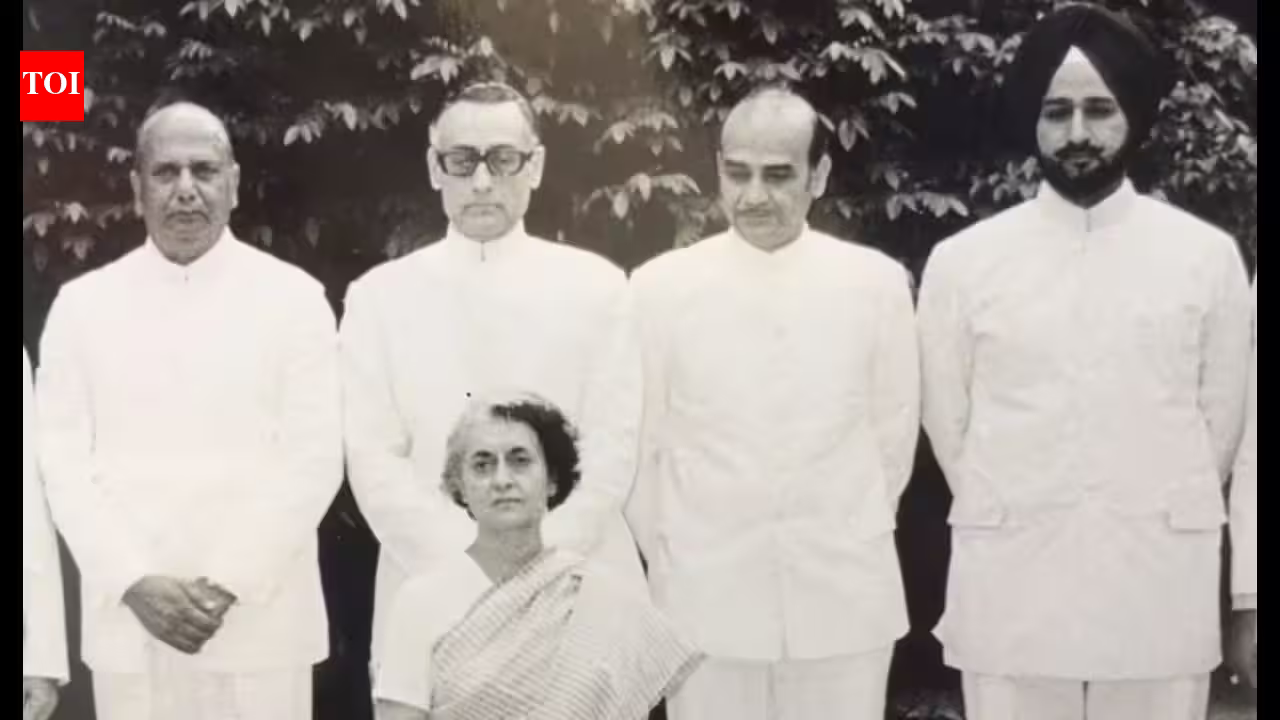
One of the most intriguing aspects of the upcoming film will be the exploration of the professional intimacy between Kao and Prime Minister Indira Gandhi. In the intelligence world, the “spoken word” is often secondary to the unspoken understanding. Reports from those who worked with them suggest that their relationship was defined by a shorthand—an intuitive grasp of intent that bypassed standard government protocol.
Karan Johar, known for his keen eye on character dynamics, has a unique challenge here. How do you portray a relationship defined by silence, secret files, and the gravity of national decisions without losing the audience? If Dharma Productions nails this, it won’t just be a film about spies; it will be a character study of power, loyalty, and the burden of knowing too much.
Beyond the Agency: A Legacy of Security
Kao’s influence did not end with his tenure as the head of R&AW. His fingerprints are on some of India’s most vital security institutions, including the National Security Guard (NSG). Even after his retirement, his counsel was sought on matters of national security, cementing his status as the “Bhishma Pitamah” of the Indian intelligence community.
When he passed away in 2002, he left behind an organization that had grown from a fledgling experiment into one of the most formidable intelligence agencies in the region. By choosing to revive this project for a 2028 release, Johar and his collaborators at Leo Media Collective are signaling that they aren’t looking for a quick commercial cash-in. They are aiming for an institutional tribute—a large-scale, respectful, and gripping exploration of how India secured its borders from the shadows.
A Vision for 2028
While the casting remains a tightly held secret—with industry circles buzzing about which A-list lead will take on the mantle of the spymaster—the ambition is clear. By scheduling the release for the Independence Day weekend in 2028, Dharma Productions is positioning this as the definitive “national” film of that year.
Karan Johar’s statement on the film’s development speaks volumes. He isn’t just producing a movie; he is crafting an homage to a milestone year for the R&AW. In an era where audiences are increasingly demanding “content-driven” cinema that highlights true stories, the tale of R.N. Kao feels perfectly timed. It is a story that requires the nuance of a drama and the scale of a blockbuster. As production gears up, the industry will be watching closely. In the world of espionage, silence is golden—but in the world of cinema, the wait for this story to unfold is already creating a deafening amount of anticipation.
Disclaimer: This content is auto-generated for informational purposes only.
Source: Read Original News