





The Economic Rationale Behind the Petrol Dealer Standoff
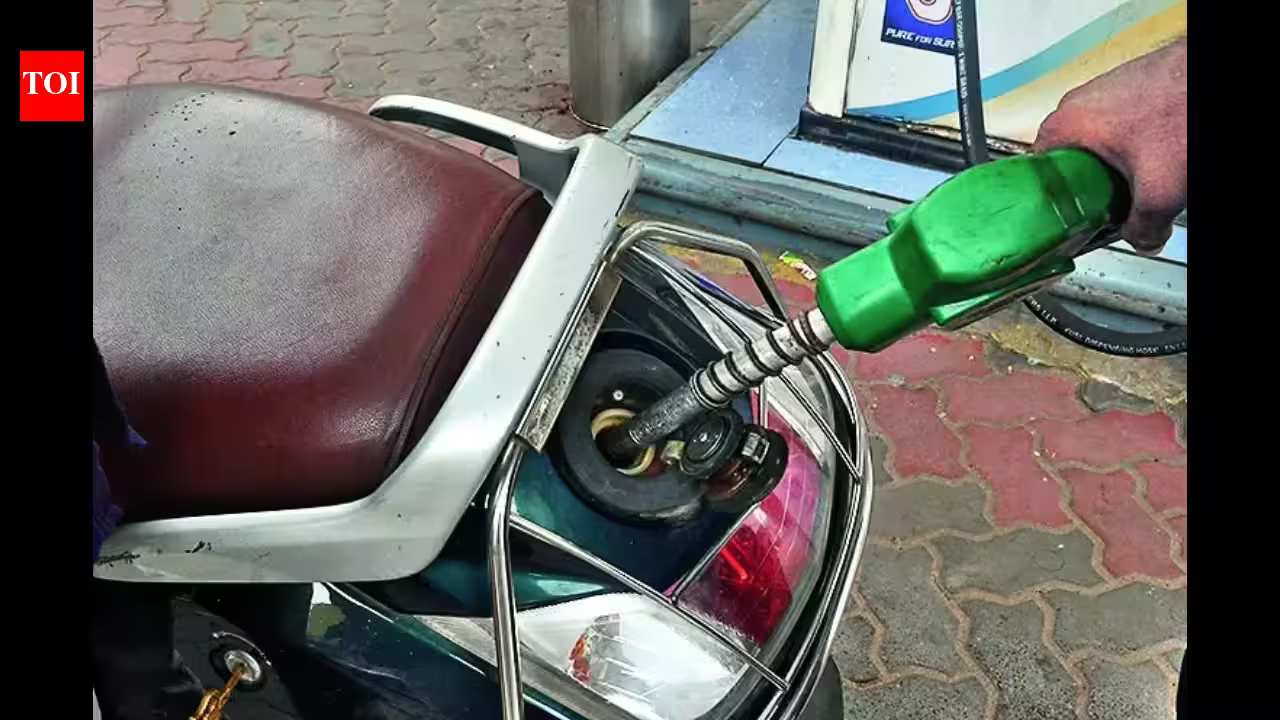
The recent announcement by petrol pump dealers in Madhya Pradesh to restrict UPI transactions exceeding Rs 2,000 highlights a growing friction point within India’s digital economy. As the country celebrates its transition toward a cashless society, the operational realities of low-margin businesses are creating a significant divide between digital payment adoption and business viability. The core of this conflict lies in the Merchant Discount Rate (MDR) framework, a fee structure that has become a flashpoint for fuel retailers across the nation.
For many years, petrol pump operators have functioned on razor-thin profit margins. Because the retail price of fuel is strictly regulated and adjusted to account for operational expenses, dealers operate with very little room for additional transaction-based overheads. When the National Payments Corporation of India (NPCI) introduced the updated MDR framework for select Person-to-Merchant (P2M) transactions, it triggered an immediate reaction from the Madhya Pradesh Petroleum Dealers Association. Their stance is clear: when the commission earned on a liter of fuel is already minimal, even a fractional percentage fee for processing a digital transaction can erode the entire profit of that sale.
Analyzing the Impact of the New MDR Framework
The latest framework, effective as of mid-September, dictates that UPI transactions above Rs 2,000 incur specific charges. For the fuel industry, this manifests as a fixed fee of Rs 5 per transaction for payments exceeding the Rs 2,000 threshold. While this may appear to be a negligible amount in a vacuum, the cumulative effect on a high-volume business is substantial.
Consider a typical fuel station in a tier-2 or tier-3 city that processes approximately 100 transactions exceeding Rs 2,000 per day. Under the new rules, this amounts to an additional daily cost of Rs 500, translating to roughly Rs 15,000 to Rs 18,000 in monthly expenses. For a small-scale entrepreneur operating a single petrol pump, this is not merely a cost of doing business; it is a direct reduction in net earnings. The dealers’ association argues that they are being forced to subsidize the digital payments infrastructure at the expense of their own survival. They assert that since they already operate under strict regulatory price controls, they lack the flexibility to pass these costs onto consumers through higher fuel prices.
Discrepancies in Digital Payment Policies
A notable aspect of this dispute is the perceived inconsistency in how different payment methods are treated. Fuel retailers currently benefit from specific MDR exemptions for credit and debit card transactions. This policy was instituted to recognize the unique financial structure of the retail petroleum sector. The dealers are now calling for parity, requesting that the government extend these same exemptions to UPI-based payments.
From the dealers’ perspective, if the objective is to promote digital inclusion and modernize retail, the government should ensure that the policy landscape is uniform across all digital modes. They argue that by exempting cards but taxing UPI, the current framework creates a regulatory anomaly that discourages the adoption of the very system—UPI—that the country is trying to promote. By restricting UPI payments above Rs 2,000, dealers are effectively creating a protest mechanism designed to force a policy review. They are signaling that they are willing to accept older, card-based infrastructure that enjoys exemption status, even if such systems are often slower or more cumbersome than instant UPI transfers.
Operational Challenges for Retailers and Consumers
The decision to limit UPI transactions will undoubtedly cause inconvenience for consumers. In an era where carrying cash is increasingly rare, the expectation is that digital payments should be accepted universally. However, the petroleum industry is a high-volume, low-margin business where every transaction is scrutinized for its impact on the bottom line.
If this standoff continues, it could set a precedent for other merchant categories that operate on similar thin margins, such as grocery retailers or small kirana stores. When a merchant is forced to choose between the convenience of a customer and the financial sustainability of their business, the choice is usually dictated by survival. Petrol pumps occupy a unique position as essential service providers, making this dispute a bellwether for the broader sustainability of the digital payment ecosystem in India. If the cost of maintaining the digital gateway is higher than the profit margin on the commodity being sold, the merchant will eventually pivot away from that payment method.
The Future of Digital Payments in India
The Indian digital payment story is one of the most successful implementations of financial technology globally. UPI has revolutionized the way commerce occurs in the country, from street vendors to large retail chains. However, this success is currently being tested by the realities of cost distribution. Who should bear the cost of digital transactions? Should it be the merchant, the customer, the bank, or the government?
The government’s position remains that approximately 96% of P2M transactions remain unaffected, as they fall below the Rs 2,000 threshold. While statistically true, this argument overlooks the reality of high-ticket retail environments like petrol pumps. For a consumer filling a full tank, the bill frequently exceeds Rs 2,000. For these specific high-traffic sectors, the MDR is not a rounding error but a structural hurdle.
Strategic Outlook and Potential Resolutions
To resolve this deadlock, policymakers may need to consider a tiered approach to MDR that specifically accounts for the profit margins of regulated sectors. An extension of the current debit card exemptions to UPI for fuel retailers could act as an immediate bridge, preventing further disruptions at the pump.
Long-term success for digital payments requires a balance between technological efficiency and commercial fairness. If the financial burden on merchants remains heavy, the push toward a total cashless economy may face resistance from organized trade unions and industry associations. The ongoing situation in Madhya Pradesh is a reminder that while infrastructure is key, the economics of the merchant must remain at the heart of any successful financial ecosystem. Without a sustainable revenue model that incentivizes both the provider and the acceptor, the digital journey will face inevitable bottlenecks, slowing down the very transformation the government seeks to achieve. The resolution of this issue will likely define the parameters for merchant participation in digital transactions for years to come.
Disclaimer: This content is auto-generated for informational purposes only.
Source: Read Original News