


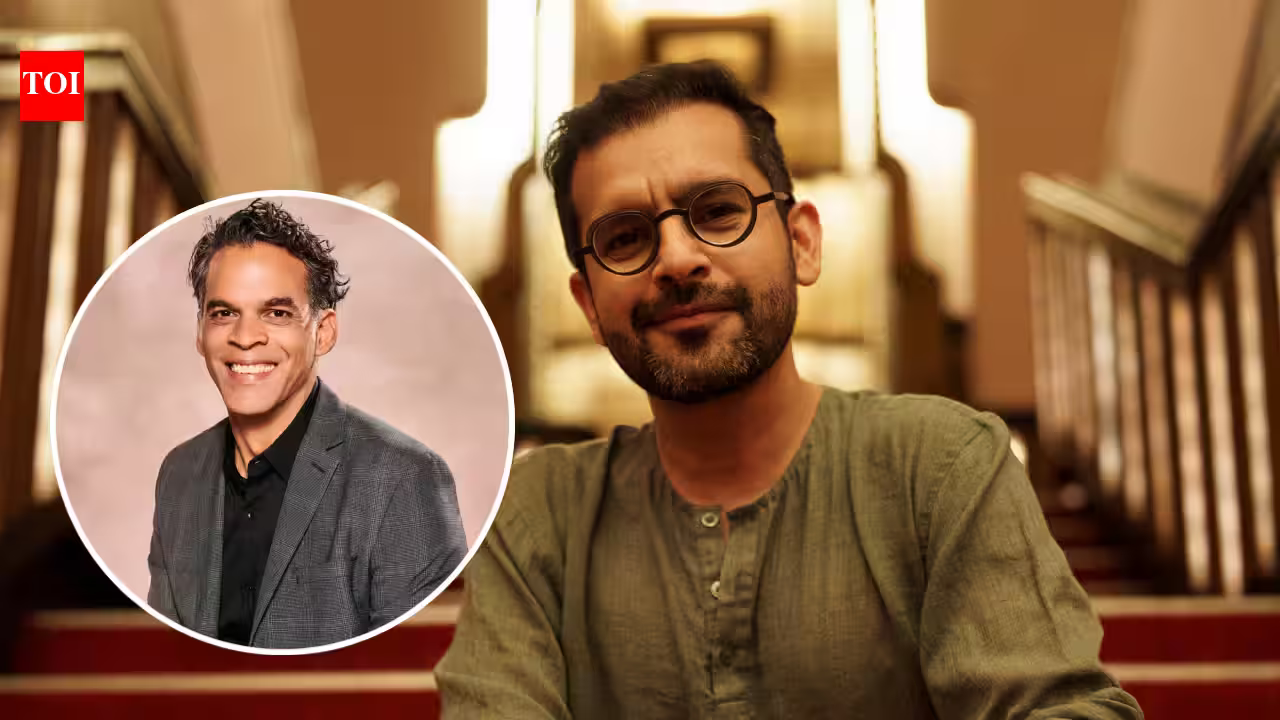



In the shifting landscape of Indian cinema, the line between “obscene” and “honest” has long been a battlefield. For decades, the Hindi film industry has tiptoed around the nuances of human desire, often retreating behind curtains of melodrama or moralistic punishment whenever a character dared to step outside the lines of tradition. However, as the latest installment of the Lust Stories anthology arrives on Netflix, two of the industry’s most distinct voices—Vikramaditya Motwane and Shakun Batra—are pushing back against the narrative that Indian audiences aren’t ready for a raw look at intimacy.
The pair, in a candid conversation, dismantled the long-standing myth that the “common man” is the primary engine behind the backlash against bold films. Instead, they pointed the finger at a more elusive, institutional force: the gatekeepers of culture.
Vikramaditya Motwane and the Myth of the ‘Outraged Public’
Vikramaditya Motwane, a filmmaker whose work has consistently challenged the status quo, is firm in his belief that the perceived public outrage against “bold” films is largely manufactured. When asked about the pushback that often greets stories involving infidelity or sexual exploration, Motwane suggests that the audience is actually far ahead of the cultural critics who claim to speak for them.
“If you look at the performances of those films, it proves that nobody will step back and say they don’t want to watch those things,” Motwane observed. He argues that the resistance—often dressed up as “protecting our culture”—is a top-down phenomenon. The gatekeepers, he contends, are the ones dictating that certain realities of human nature are off-limits, imposing their own narrow constraints on a population that is increasingly exposed to, and engaged with, global narratives of complexity.
Motwane’s own segment in Lust Stories 3, which pivots on the provocative theme of middle-aged couples engaging in partner-swapping to reignite their marriages, serves as a litmus test. He believes the younger generation is leading a silent revolution in how we consume media. They are, he notes, “far more open and non-judgemental” about themes that previous generations might have deemed scandalous. To them, it isn’t an attack on values; it’s a reflection of life.
Shakun Batra: The ‘Gray’ Area of Modern Morality
Shakun Batra is no stranger to the discomfort of his audience. His 2022 film Gehraiyaan drew both immense critical acclaim and a firestorm of debate regarding its depiction of infidelity and emotional manipulation. Returning to the anthology format, Batra continues his interrogation of marital strain, this time using intimacy as a language for the things characters are otherwise unable to articulate.
For Batra, the criticism often stems from a societal unwillingness to accept the “gray.” He notes that while audiences frequently see themselves and their own complicated realities mirrored in these films, there is a stubborn, immovable weight of moral expectation that prevents society from moving forward.
“It’s funny that people don’t accept greys when everyone actually only lives in the gray,” Batra said. He argues that society’s inability to revise its moral framework—insisting that the same rules must apply forever, regardless of social evolution—is essentially a futile endeavor. By choosing to spotlight the messy, uncomfortable, and often contradictory nature of human behavior, Batra is not trying to shock for the sake of it; he is trying to bridge the gap between our actual lives and our cinematic ideals.
Intention as the Bridge Between Pornography and Poetry
One of the most profound points raised by Batra during his discussion on the anthology was the role of “artistic intent.” When a film depicts sex, it is often met with accusations of being crass or exploitative. Batra pushes back by referencing his colleague Vishal Bhardwaj’s contribution to the project, noting that the difference between the erotic and the pornographic lies entirely in the hands of the creator.
“It’s the intention of the writer that can transform something that might otherwise come across as crass into something poetic,” Batra explained. He pointed to the literary giants of the past—specifically Manto—as the ultimate proof of concept. Manto, whose works were frequently dragged through legal battles for their explicit nature, is now rightfully hailed as one of the most vital voices in South Asian literature. His work wasn’t scandalous to satisfy base desires; it was meant to shatter the veneer of a hypocritical society.
According to Batra, contemporary filmmakers are aiming for that same literary quality. By treating desire with the same gravity as any other human emotion, they hope to elevate the conversation beyond the “scandalous” label.
The Reality Check: Infidelity is Not a Fiction
Perhaps the most stinging indictment of the moral policing surrounding Indian cinema comes from Batra’s simple, undeniable observation: “It’s not like none of these things have ever happened in India.”
This comment strikes at the heart of the “culture” argument. Often, those who protest films about infidelity or female sexual agency act as though such stories are corrupting a pristine society. But by acknowledging that these are universal human experiences, the directors are effectively reclaiming the right to tell stories that are grounded in reality rather than aspiration.
Lust Stories 3 functions as an anthology that refuses to look away. With segments by heavyweights like Kiran Rao, Vishal Bhardwaj, Motwane, and Batra, the project serves as a collective defiance against the idea that Indian cinema must remain polite to remain “proper.”
As these directors continue to stream their visions directly into the homes of millions via platforms like Netflix, the influence of the “gatekeepers” is undoubtedly waning. When an audience is given the choice to engage with stories that reflect the complexities of their own lives—the greys, the betrayals, and the desires—they aren’t looking for a lecture on morality. They are looking for the truth. And if the reception of these bold new voices is any indication, the truth is something the Indian audience is not only ready for—they are hungry for it.
Disclaimer: This content is auto-generated for informational purposes only.
Source: Read Original News