




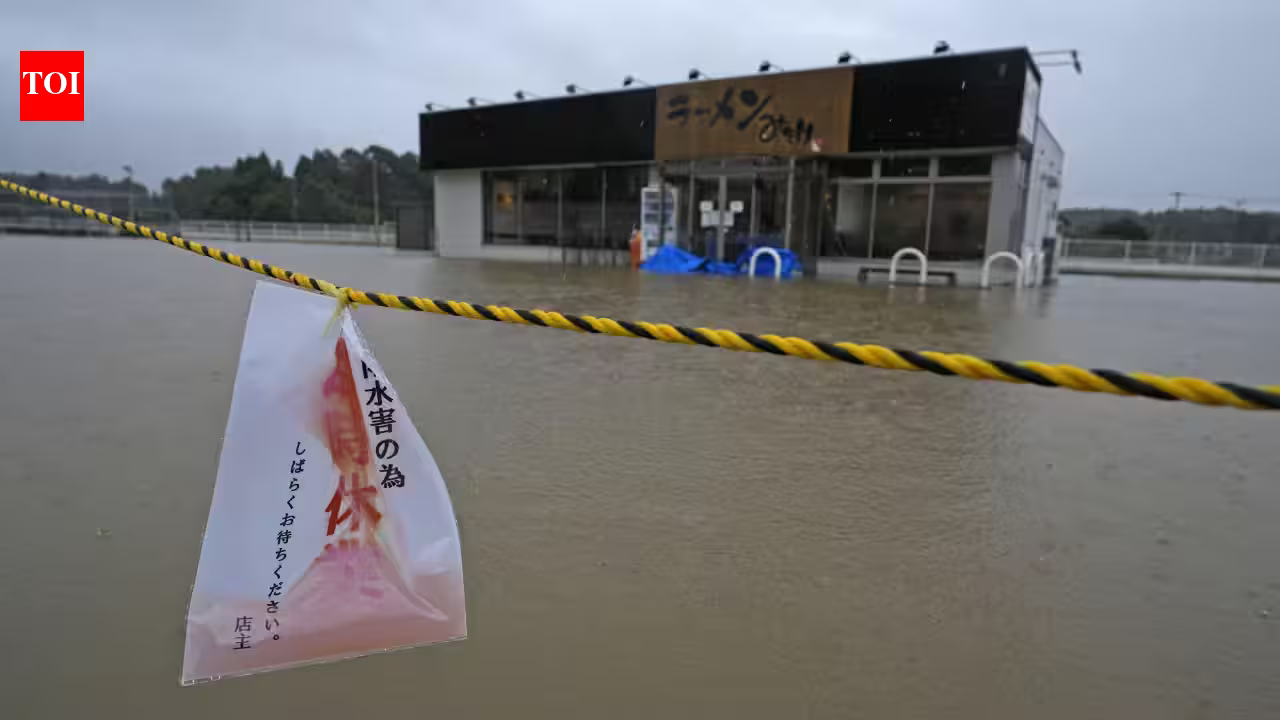
Mother Nature has flexed her considerable muscles at the Asian Games, forcing a major disruption to the equestrian schedule as Typhoon Dujuan barrels toward eastern Japan. With torrential rain and high-velocity winds lashing the Tokyo region, organizers were left with little choice on Monday but to suspend the opening day of the equestrian eventing competition at Tokyo Equestrian Park, leaving athletes and officials scrambling to recalibrate their plans.
The decision to call off the dressage phase was met with a sense of grim resignation by the competing nations. For the Indian contingent, who arrived in Tokyo with high expectations, the postponement serves as a significant hurdle in their quest to defend the dressage gold medal claimed at the previous Asian Games. As the clouds darkened and the gale-force winds picked up, the safety of both horse and rider became the primary concern for the Japan Equestrian Federation and tournament officials.
### A Compressed Calendar in the Face of the Storm
With the initial phase of the competition scrapped, the logistics of the event have become considerably more taxing. Organizers have opted to squeeze what was originally a three-day program into a punishing two-day window. Under the revised schedule, the dressage and cross-country phases—two of the most physically and mentally demanding components of eventing—are slated to take place back-to-back on Tuesday. The show jumping finale remains pinned for Wednesday, weather permitting.
The sudden shift in the schedule places immense pressure on the equine athletes. Moving from the precision of dressage to the high-impact endurance of the cross-country course within twenty-four hours requires not only peak physical conditioning but also a meticulous strategy regarding rest and recovery. For the Indian riders, the adjustment period is non-existent, leaving them to rely on their training and the resilience of their mounts to navigate the damp, unpredictable conditions.
### Safety Measures and Operational Fallout
“The decision was taken as a safety measure,” one Indian rider confirmed in a brief exchange with the media. Riders were instructed to vacate the arena and return immediately to their designated team hotels, as the Japan Meteorological Agency issued dire warnings regarding the path of Typhoon Dujuan. The agency has cautioned that the storm is expected to bring intense rainfall and potential flooding to the Kanto region, with heavy precipitation forecasted to persist well into Tuesday, further complicating the already precarious footing at the equestrian park.
While the sprawling metropolis of Tokyo has largely managed to keep the Asian Games’ swimming and cycling programs on track, the outdoor nature of the equestrian discipline has rendered it uniquely vulnerable. The park, typically a site of grace and poise, has been transformed into a restricted zone where safety protocols have superseded sporting excellence for the time being.
### Internal Strife Amidst the Storm
As the athletes wait out the weather, the focus has shifted from the storm outside to a brewing internal conflict within the Indian camp. Tensions between the equestrian squad and their leadership have surfaced at an inopportune moment. Several riders have expressed vocal frustration regarding the communication flow from their chef-de-equipe, Lt Col Sandeep Dewan.
The primary point of contention, according to team insiders, is a perceived information vacuum. Riders have alleged that while Lt Col Dewan has been active in official delegation meetings, the critical intelligence gleaned from those forums is rarely filtered down to the athletes on the ground. The lack of transparency has left the riders feeling sidelined as they prepare for the most critical competition of their careers.
Furthermore, the riders have voiced grievances regarding the decision-making process for the opening ceremony, claiming they were neither consulted nor included in the dialogue. Perhaps most significantly, the athletes are calling for a structural change to the team hierarchy, particularly regarding the “order of go”—the sequence in which riders perform. The riders are firm in their stance that such technical decisions should be finalized through a consultative process between the athletes and their immediate coaches before being relayed to the chef-de-equipe.
### The Road Ahead
As the weather remains the immediate obstacle, the internal friction within the Indian equestrian team adds a layer of complexity to an already tense environment. With the target firmly set on defending their Asian Games gold, the team must now find a way to reconcile their internal differences while preparing for a grueling Tuesday.
The coming 48 hours will be a test of character. Whether the Indian riders can channel their frustration into focus and overcome the dual challenge of a condensed eventing calendar and the wrath of Typhoon Dujuan remains to be seen. For now, the gates of the Tokyo Equestrian Park are closed, the horses are shielded from the downpour, and the entire sport waits with bated breath to see if the clouds will part long enough for the pursuit of gold to resume.
Disclaimer: This content is auto-generated for informational purposes only.
Source: Read Original News