






The Indian film fraternity is packing its bags for a historic migration. For decades, the National Film Awards have been synonymous with the gilded halls of Vigyan Bhawan in New Delhi—a predictable, albeit prestigious, affair. But on September 22, the script changes. The 72nd National Film Awards are trading the capital’s power corridors for the shadow of the world’s tallest statue, descending upon the vibrant landscape of Ekta Nagar, Kevadia, Gujarat.
Set against the majestic backdrop of the Statue of Unity, this year’s ceremony is more than just an awards show; it is a declaration of intent. As President Droupadi Murmu prepares to hand over the prestigious Rajat Kamal and Swarna Kamal trophies, the industry is witnessing a strategic shift in how India’s highest cinematic honors are presented, celebrated, and perceived.
A New Stage for a National Narrative
The decision to relocate the 72nd edition to Gujarat isn’t merely a logistical shift; it is a bold experiment in national integration. By moving the ceremony away from the central hub of New Delhi, the Ministry of Information and Broadcasting is signaling a departure from tradition, effectively decentralizing the cultural spotlight.
This shift aligns with the government’s “Ek Bharat, Shreshtha Bharat” vision, which aims to weave the cultural fabric of different states into the national consciousness. Hosting the gala in Kevadia places the elite of Indian cinema directly within one of the nation’s most ambitious infrastructural icons. For the 92 winners—from technical wizards in sound design to the heavyweights of the silver screen—the experience will be vastly different from the carpeted halls of the past. It is an attempt to make the National Film Awards feel truly “national,” inviting the entire country to participate in the spectacle rather than witnessing it as a distant Dilli-centric event.
The Titans of the Year: Who Took the Gold?
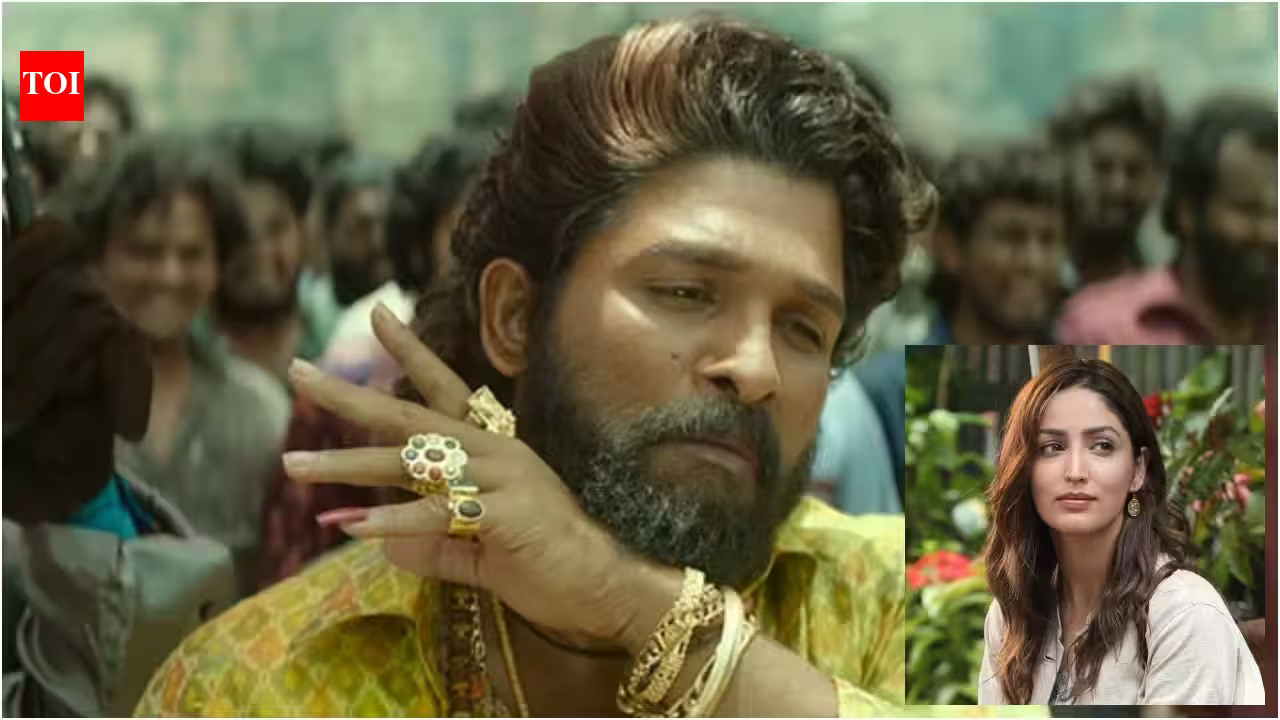
The list of victors for 2026 reflects the seismic shifts currently shaping Indian box office dynamics. The Best Feature Film crown has been placed upon the head of Article 370, a win that underscores the industry’s increasing appetite for politically charged, high-tension storytelling. Yami Gautam, who anchored the project, secures the Best Actress trophy, cementing her status as a powerhouse performer capable of driving mainstream narrative-heavy cinema.
In a move that has set social media ablaze, the Best Actor category saw a rare and celebrated tie. The veteran legend Mammootty, whose performance in Bramayugam continues to be hailed as a masterclass in atmospheric acting, shares the stage with the modern-day box office juggernaut, Kartik Aaryan. Aaryan’s win for Chandu Champion serves as a validation of his physical and emotional transformation, proving that the industry is ready to reward stars who take significant creative risks.
Meanwhile, the debut director category highlights a rising star behind the camera, with Randeep Hooda taking home the honor for Swatantrya Veer Savarkar. It is a testament to the fact that today’s actors are increasingly finding their voice as filmmakers, crafting visions that demand critical attention.
A Legacy Honored: Anant Nag’s Milestone
Perhaps the most poignant moment of the evening will be the conferment of the Dadasaheb Phalke Award upon the legendary Anant Nag. In an industry that often fixates on the “next big thing,” recognizing a career that spans over five decades is a vital reminder of the foundation upon which Indian cinema rests.
Nag, a titan of Kannada cinema, is not just an actor; he is a bridge between eras. His contribution—varied, nuanced, and consistently brilliant—has influenced generations of performers. By placing him at the center of the Gujarat festivities, the National Film Awards remind us that while the landscape of the industry may shift geographically and stylistically, the core of the profession remains rooted in the lifelong commitment to the craft.
The Rise of the Spectacle: Genre Winners
If this year’s list of winners proves anything, it is that “popular” and “prestige” are no longer mutually exclusive. Kalki 2898 AD walked away with the Best Popular Film Providing Wholesome Entertainment, a nod to the fact that Indian cinema is successfully venturing into high-budget mythological science fiction.
The technical awards also painted a picture of a flourishing ecosystem. Pushpa: The Rule Part-02 dominated in craft categories like Costume Design and Screenplay, proving the massive influence of the franchise model on modern filmmaking. Stree 2 and Maharaja claimed their spots in the limelight for Choreography and Action Direction, respectively—a clear acknowledgment that the pulse of the audience is often found in the spectacle of movement and the precision of a well-staged stunt.
How to Witness History in the Making
For the millions of film buffs who won’t be in Kevadia, the experience is designed to be as immersive as possible. The ceremony kicks off at 3 pm IST on September 22. While the physical move to Gujarat marks a departure from Delhi, the digital footprint of the awards remains accessible to all. The Ministry has confirmed that the event will be streamed live via the DD National YouTube channel.
As the sun sets over the Statue of Unity, the lights will go up on a new era for Indian cinema. Whether this rotation becomes a permanent fixture or a one-time experiment, the 72nd National Film Awards have already achieved the impossible: they’ve managed to turn the eyes of the nation away from the capital and toward the heart of the country, proving that in the world of Indian cinema, the only constant is change. Prepare to tune in—history is set to be written in the soil of Gujarat.
Disclaimer: This content is auto-generated for informational purposes only.
Source: Read Original News