









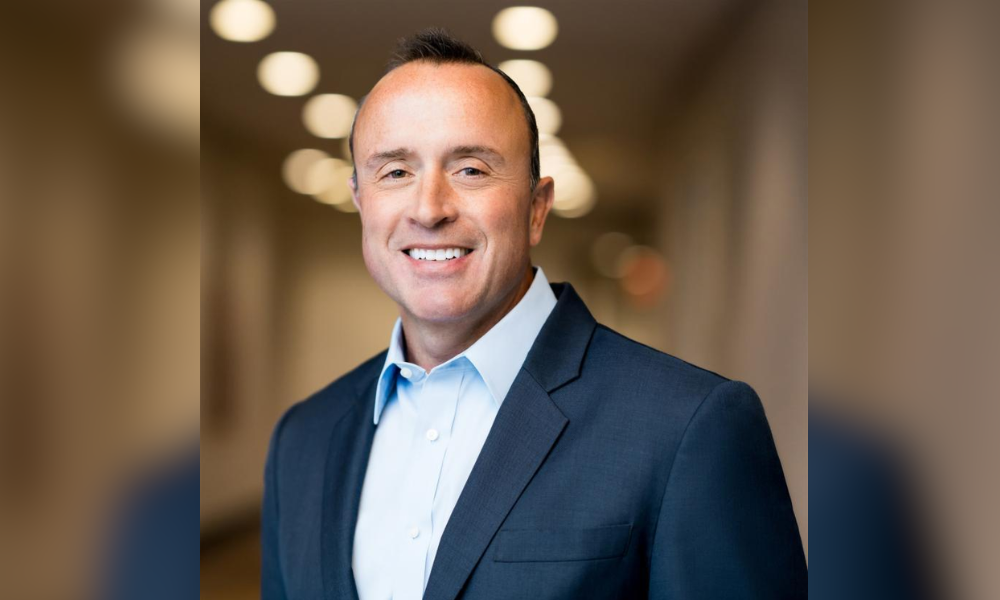
David Glawe, the president and CEO of the National Insurance Crime Bureau (NICB), is set to step down this October, marking the conclusion of a transformative six-year tenure. His departure signals a major leadership shift for the organization, which serves as the insurance industry’s primary bulwark against fraud and crime. As of now, the NICB has not named a successor, leaving industry stakeholders to speculate on the future direction of the nonprofit as it navigates an increasingly digital and AI-driven landscape.
## A Legacy of National Security in Insurance
Glawe’s leadership has been defined by his unique pedigree. Before taking the helm of the Oak Brook, Illinois-based organization in 2020, he held high-ranking positions within the U.S. federal government, including serving as under secretary and chief intelligence officer at the Department of Homeland Security. His background as a former FBI official and White House advisor brought a heightened focus on high-level intelligence analytics to the insurance sector.
Under his guidance, the NICB expanded its efforts to modernize how property-casualty carriers identify crime. By bridging the gap between insurance data and federal law enforcement, Glawe helped the organization pivot toward more sophisticated, tech-forward investigations. His tenure emphasized that fighting insurance fraud is no longer just about claims adjustment—it is about leveraging data science and cross-industry intelligence to dismantle organized criminal rings.
## The Intersection of AI and Fraud Detection
The transition comes at a critical juncture for the insurance industry, which is currently undergoing a massive digital overhaul. As insurers increasingly adopt artificial intelligence and machine learning to streamline claims and detect anomalies, the NICB’s role as an intelligence hub has become more vital than ever.
In recent years, the industry has seen a rise in complex fraud, from AI-generated falsified documentation to organized vehicle theft networks that utilize sophisticated software to bypass security measures. The NICB’s ability to act as a centralized data repository allows member carriers to share intelligence in real-time, effectively creating a “herd immunity” against repeat offenders. Whether the next leader of the NICB will maintain Glawe’s intelligence-heavy approach or pivot toward a more purely technological strategy remains the central question for the organization’s 1,200-plus member companies.
## Navigating the Leadership Transition
The lack of a named successor has not gone unnoticed by the P&C market. Nick Seminara, chairman of the NICB Board of Governors and executive vice president at Travelers, expressed gratitude for Glawe’s service, noting that the board will announce transition plans in due course.
Historically, the NICB has managed leadership changes with extreme caution to ensure that ongoing, multi-year investigations into fraud rings are not disrupted. Because the organization relies heavily on sensitive partnerships with local and federal law enforcement, the continuity of these relationships is paramount.
For the broader insurance market, the search for a new CEO is a high-stakes process. The next leader will need to balance the traditional requirements of nonprofit management with the urgent need for technical agility. As the insurance industry continues to grapple with the rising costs of catastrophe fraud and digital theft, the NICB’s choice of leader will likely dictate the organization’s ability to stay ahead of bad actors who are themselves becoming increasingly tech-savvy. For now, the board remains committed to a deliberate process, ensuring that the transition does not undermine the critical investigative work that serves as a cornerstone of the modern insurance market.
Disclaimer: This content is auto-generated for informational purposes only.
Source: Read Original News