






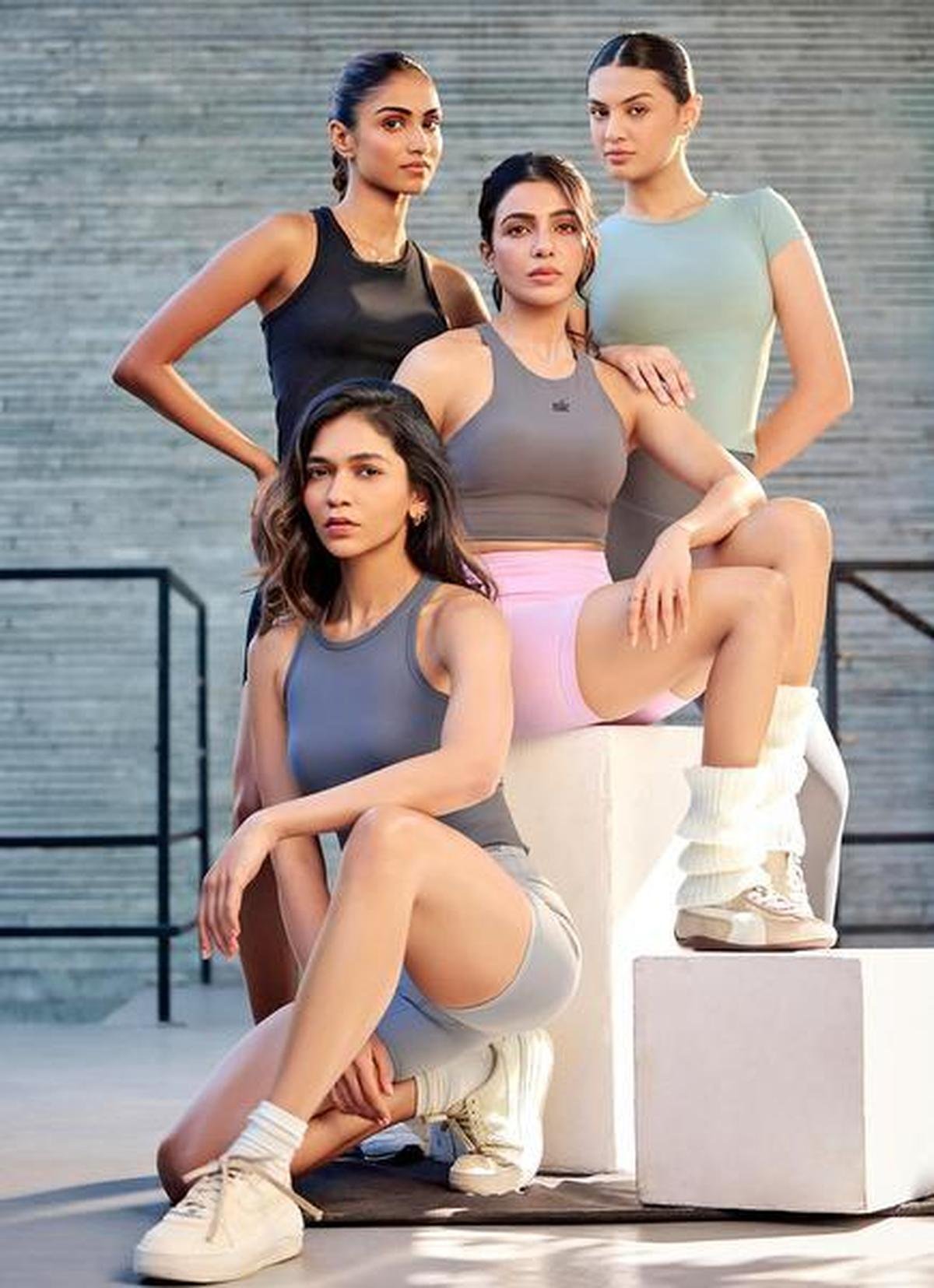
On any given morning, a quick scan of an airport terminal, a neighbourhood café, or even a co-working space reveals something changing in how India dresses. Leggings paired with oversized shirts, sports bras layered under blazers, joggers worn with crisp white sneakers — outfits that once belonged firmly inside gyms now move effortlessly through everyday life.
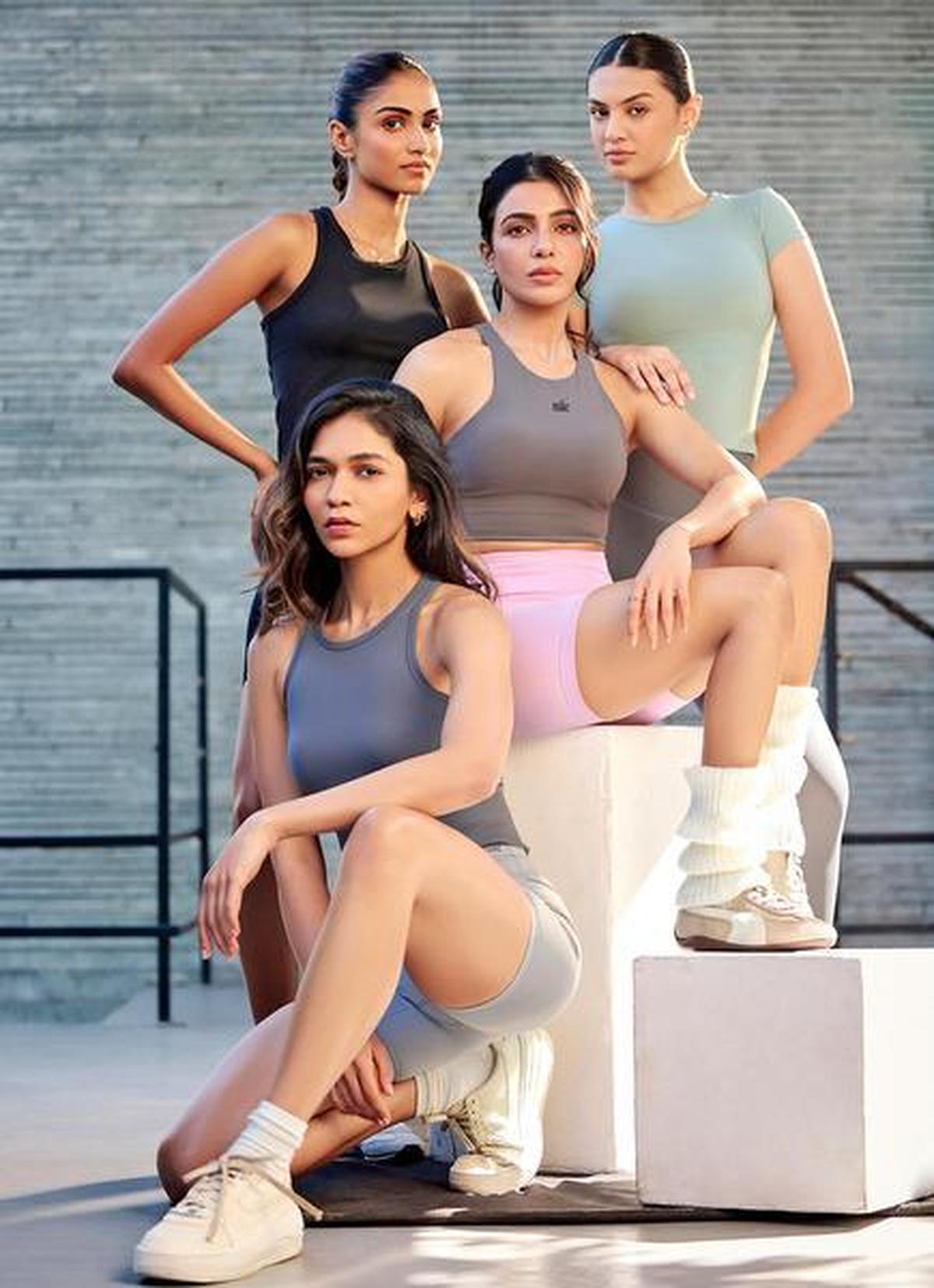
Samantha Ruth Prabhu (centre) sporting an outfit from Mile Collective
| Photo Credit:
Special Arrangement
Ruhani Khanna, a 41-year-old start-up employee in Bengaluru, was once rarely seen outside jeans, tees, or sharply pressed formal shirts. Today, her wardrobe looks markedly different — well-fitted active jackets, tailored joggers, and pieces that carry her through the day without a second thought. “I need clothes that feel relaxed but still look put together,” she says.
A few years ago, such outfits might have been dismissed as overly casual. Now, they sit comfortably within what we call athleisure — clothing that blurs the line between performance and daily wear. The difference today lies in how it is perceived. These are no longer “in-between” outfits; they are the main character.
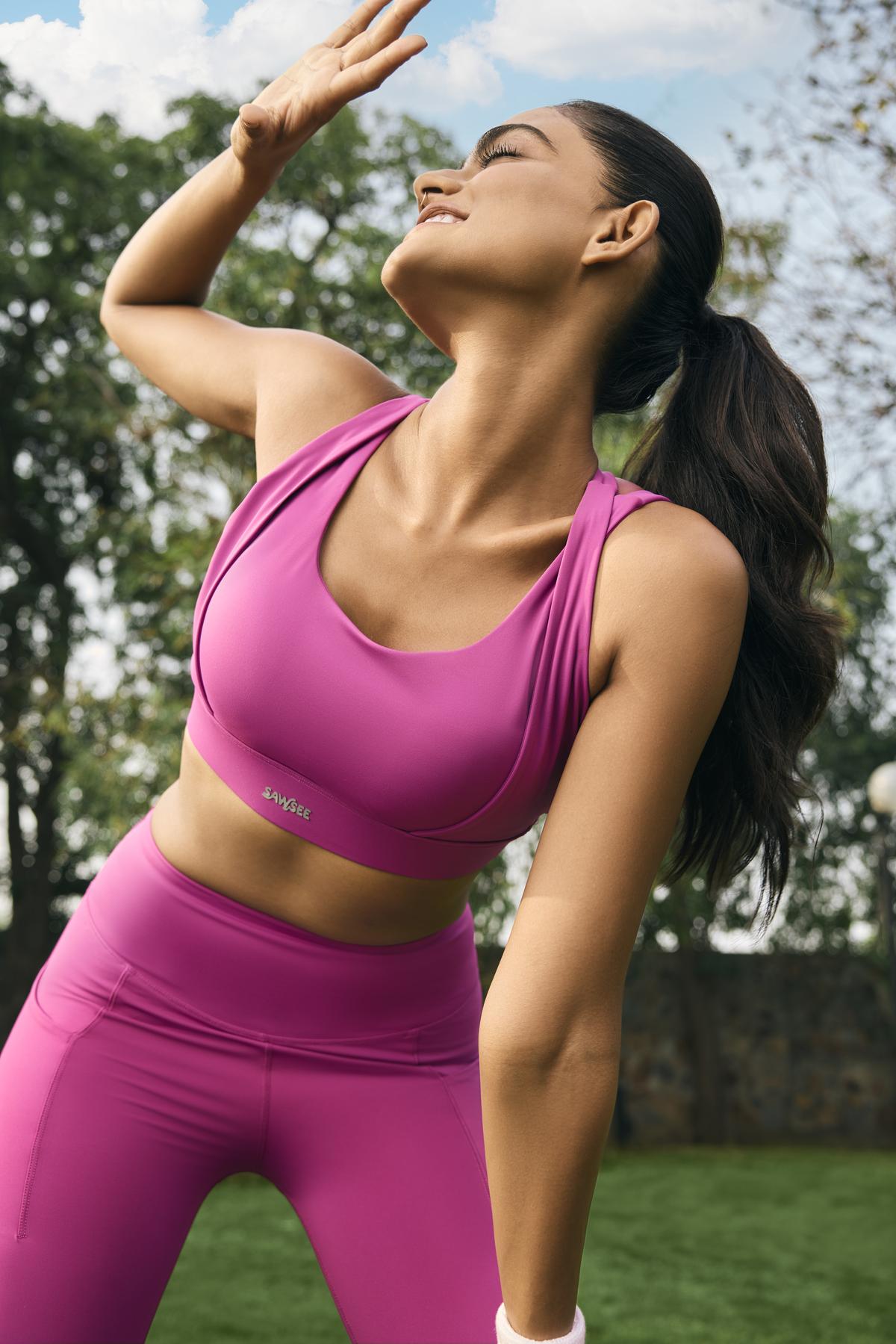
An outfit at Swasee
| Photo Credit:
Special Arrangement
Performance wear to personal style
Globally, the groundwork for this transformation was laid over a decade ago, when brands like Lululemon, Alo Yoga and Nike repositioned performance wear as lifestyle clothing rather than gym-specific gear. What began as niche quickly spilled onto runways, with fashion houses like Miu Miu incorporating elements like windbreakers and technical jackets into seasonal collections.
How to style athleisure in different settings
Start with a comfortable base like leggings, joggers or a sports bra and layer it with something slightly structured such as a blazer, shirt or light jacket.
Accessories, shoes, colour palettes can easily shift the same outfit from relaxed to polished without losing the comfort that defines athleisure.
Brunch
For women
Pick lounge joggers or leggings, and pair them with a relaxed tank top or a sports bra.
Layer with an oversized shirt or a hoodie for an effortless look.
Sneakers, sunglasses and a roomy tote complete the outfit.
For men
Style an airy shirt with a pair of shorts for a sharp and effortless look.
Date night
For women
High-waisted leggings or flared pants in deeper tones like brown, paired with a sports bra or tank top, work well.
An oversized blazer or cropped jacket adds structure.
Finish with delicate jewellery and canvas shoes or minimalist heels.
For men
A polo T-shirt paired with cargo pants keeps the outfit minimal and confident.
Go for a pair of smart sneakers to complete the look.
At work
For women
Structured leggings in shades like black or navy can be paired with a fitted white tank or crop tee for a clean base.
Layering a longline shirt, knit cardigan or tailored blazer adds a professional edge.
Opt for tones like charcoal, beige or ivory for a polished feel.
For men
Choose muted T-shirts or structured cotton tees with slim, tapered joggers.
Finish with minimalist leather sneakers or suede loafers.
In India, the shift feels less trend-driven and more rooted in everyday necessity. The pandemic played a decisive role, collapsing boundaries between work, home, and leisure, and forcing wardrobes to adapt in real time. “It accelerated the trajectory of athleisure labels, as hybrid work culture, wellness consciousness, and flexible dressing reshaped wardrobes,” says Rachit Soota of Delhi-based RYZ (apparel upwards of ₹1,430), who prefers the term “active fashion” over performance wear.
The numbers reflect this cultural momentum. According to Statista and Technopak, India’s athleisure market is projected to grow at a CAGR of 11.2%, reaching over USD $6.5 billion by 2028, with women driving a significant share of this demand.
But statistics only tell part of the story. The visible change is in everyday life, where clothing that once signalled “off-duty” now reads as intentional. For 32-year-old Mumbai-based marketing professional Aditi Mehra this has translated into a near-uniform. “I wear my workout leggings almost everywhere. They are the only thing that keeps up with how my day moves,” she says.
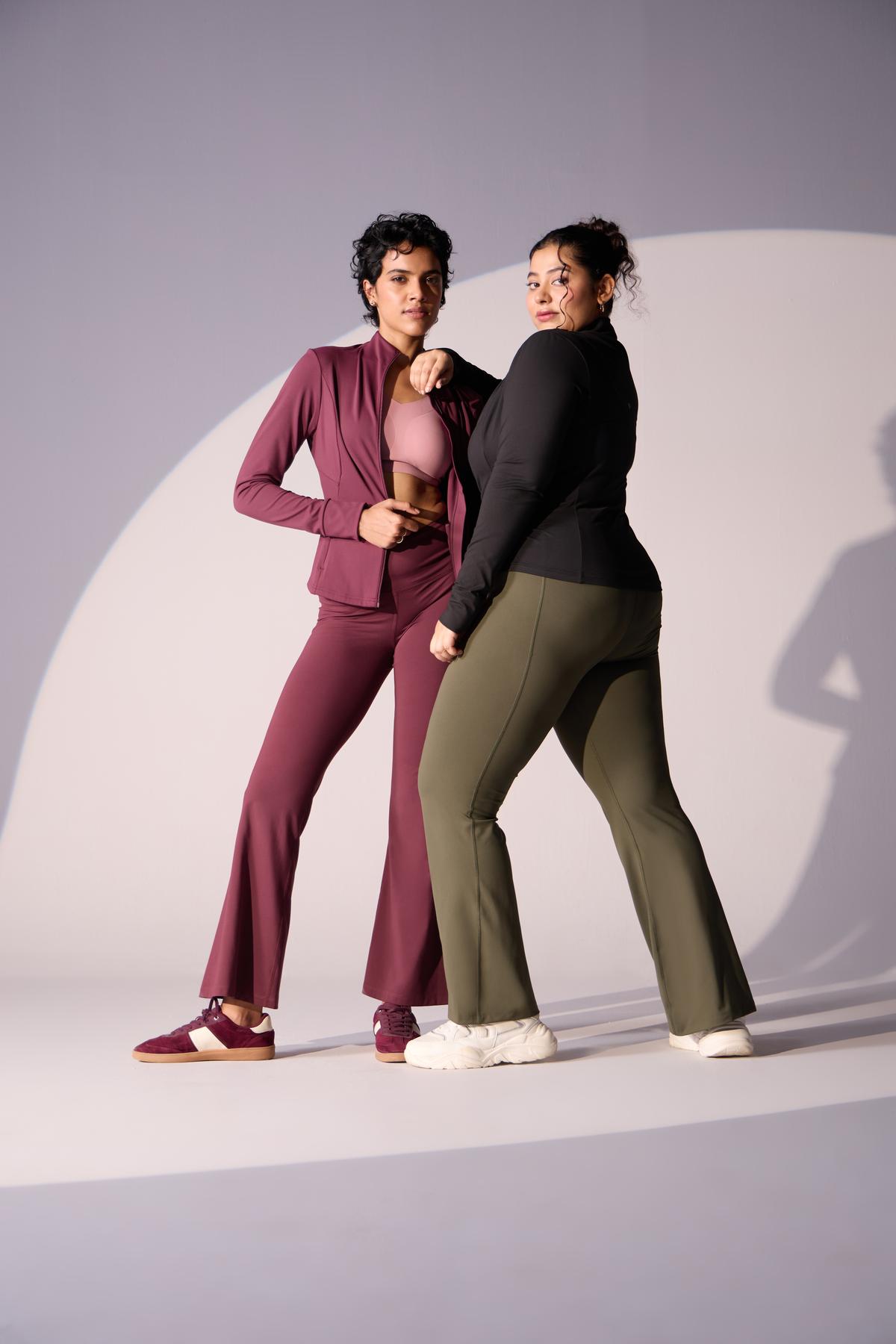
Outfits at Blissclub
| Photo Credit:
Special Arrangement
Fitness gear to daily code
This widespread adoption has also fuelled the rise of homegrown labels such as Blissclub, Silvertraq, Cava Athleisure, and Sawsee. Celebrity participation has further expanded the category’s visibility. When luxury athleisure label Athletifreak opened its first India store in Delhi in August 2025, actor Shahid Kapoor and entrepreneur Mira Kapoor came on board as strategic partners. Actress Samantha Ruth Prabhu has also entered the space as co-founder of Mile Collective, positioning activewear as an extension of everyday living.
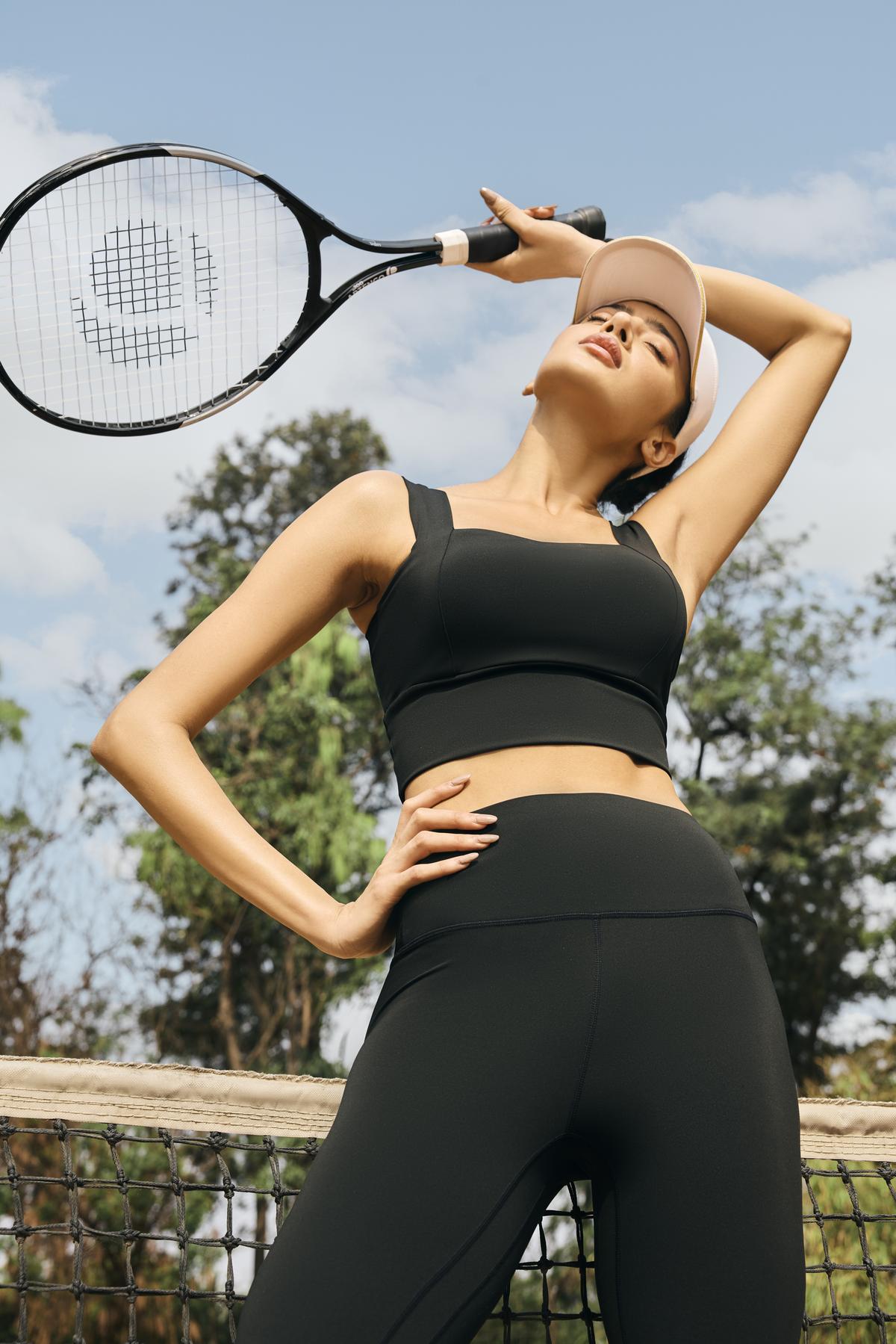
Activewear at Swasee
| Photo Credit:
Special Arrangement
“As work, travel, and leisure began to overlap, women increasingly sought clothing that could move seamlessly through the day,” says Minu Margaret, founder, Blissclub (apparel upwards of ₹999). “The change was triggered by a cultural reset around comfort, mobility, and self-expression.”
Social media has amplified this transition. Repeated visibility of activewear in everyday settings has normalised it beyond the gym, says Mahi Mohan, founder of Chennai-based Sawsee (apparel upwards of ₹1,799). “More importantly, people now see multiple ways to style the same piece, which increases confidence and experimentation. Athleisure has become part of personal style expression,” she notes.
That expression is far from uniform. For some, it is a monochrome palette of black leggings and structured jackets. For others, it is playful — tennis skorts, cropped tanks or flared silhouettes.
India-first labels have also strengthened the segment by designing for local body types and climate conditions: areas that global brands did not always address.
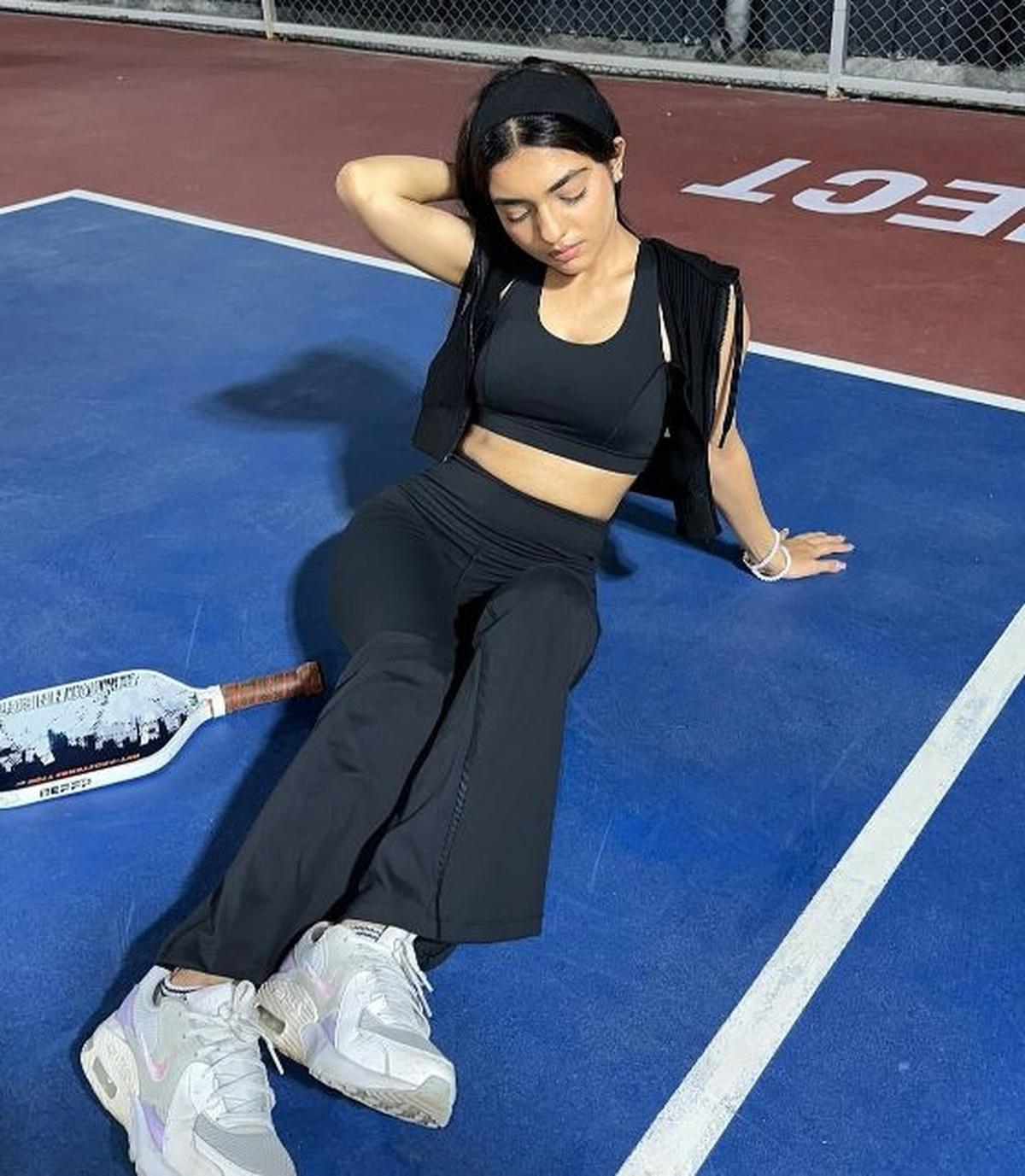
Activewear at Blissclub
| Photo Credit:
Special Arrangement
A focus on design
As activewear finds a place in everyday wardrobes, expectations from it have evolved. Comfort alone is no longer enough; it must also look refined.
Homegrown brands are responding by designing for entire days rather than isolated workouts. At Blissclub, Minu explains, the process begins by mapping how a woman moves through her routine. Fabric journeys — from raw material to yarn, knit, finish, and dye — are closely monitored to ensure durability and feel.
Take the Cloudsoft range, designed to feel airy yet supportive. “One of the most important processes is peaching. The fabric passes through fine metal combs on rollers, which lift tiny fibres and create that incredibly soft feel,” she explains. The material also contains a high percentage of spandex, allowing it to stretch and recover without losing shape.
Activewear at Your101
| Photo Credit:
Special Arrangement
A similar philosophy underpins Sawsee’s approach, where yoga wear doubles as loungewear through breathable, bamboo-based fabrics suited to Indian weather. Technical elements like anti-odour properties, moisture-wicking, and softness are integrated into pieces that do not necessarily look overtly “sporty”.
Colour plays its part too. Neutral-forward palettes allow garments to blend seamlessly into existing wardrobes rather than stand out as gym-specific pieces. In many ways, this is where activewear begins to resemble tailoring— not in the traditional sense, but in how it shapes and supports the body while allowing movement.
“It’s a new form of tailoring: sculpted, supportive, and fluid,” says Aastha Rattha, founder, Pace Active (apparel upwards of ₹2,800). “You can be comfortable and still look your best; there is no choosing.”
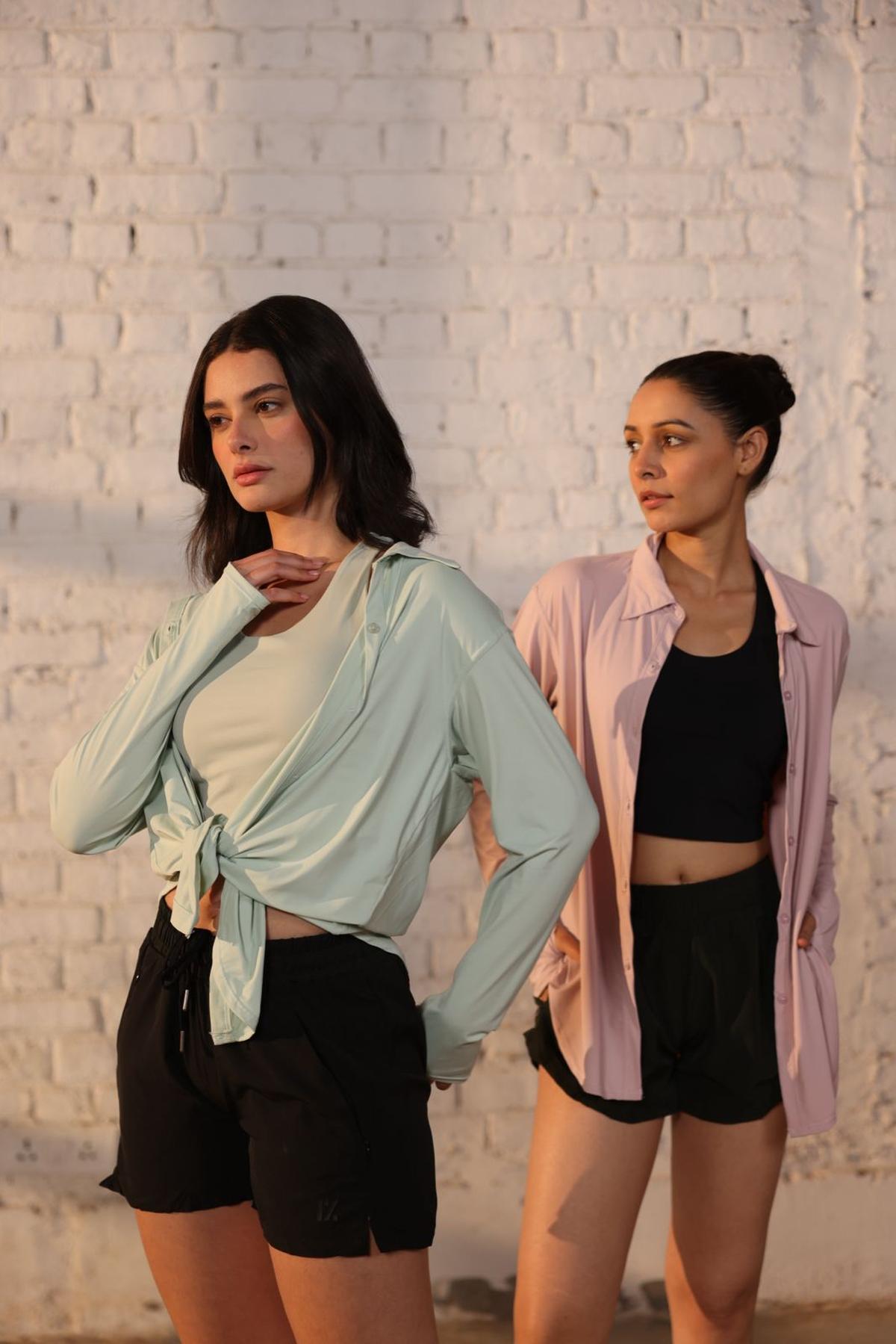
Outfits at RYZ
| Photo Credit:
Special Arrangement
Beyond womenswear
While women have driven the category’s growth, menswear is catching up albeit with a different design language.
Unlike the more expressive silhouettes seen in womenswear, men’s athleisure is about restraint. “The focus here is on perfecting fit, refining fabrics, and delivering strong functionality. Every piece is built to move well, feel comfortable for long hours, and transition effortlessly between training, travel, and everyday routines,” says Ria Shetty, co-founder, Cava Athleisure (apparel upwards of ₹1,499).
Blissclub’s entry into menswear with its Legendary Collection reflects this thinking. The aim is not to create overtly “active” clothing, but to offer pieces like pants, jackets, polos, and crew necks, that support movement while blending into everyday wardrobes.
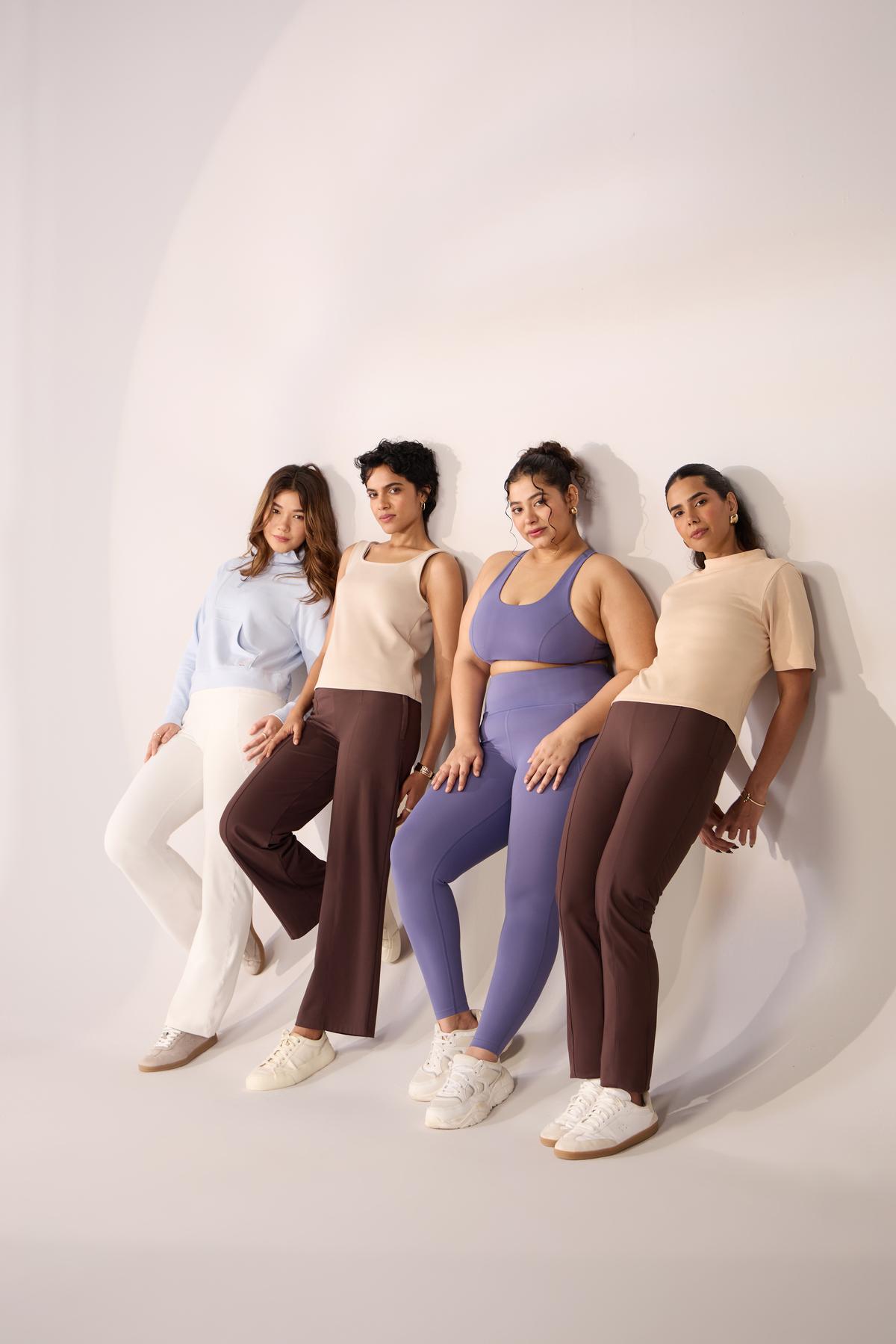
Activewear at Blissclub
| Photo Credit:
Special Arrangement
Does it change how we see our bodies?
As athleisure becomes more visible, it inevitably shapes conversations around body image. On one hand, its association with movement and wellness has helped shift focus away from appearance. Clothing is increasingly about how it feels rather than how it looks.
“Its growing visibility has helped encourage women to prioritise how they feel over how they look,” says Minu, adding that inclusive sizing plays a key role in this transition.
At the same time, the category is not without its complexities. Compression, sculpting, and body-contouring designs can sometimes blur the line between support and unrealistic expectations. “The more responsible direction is structural enhancement rather than distortion — support that allows natural movement,” says Rachit.
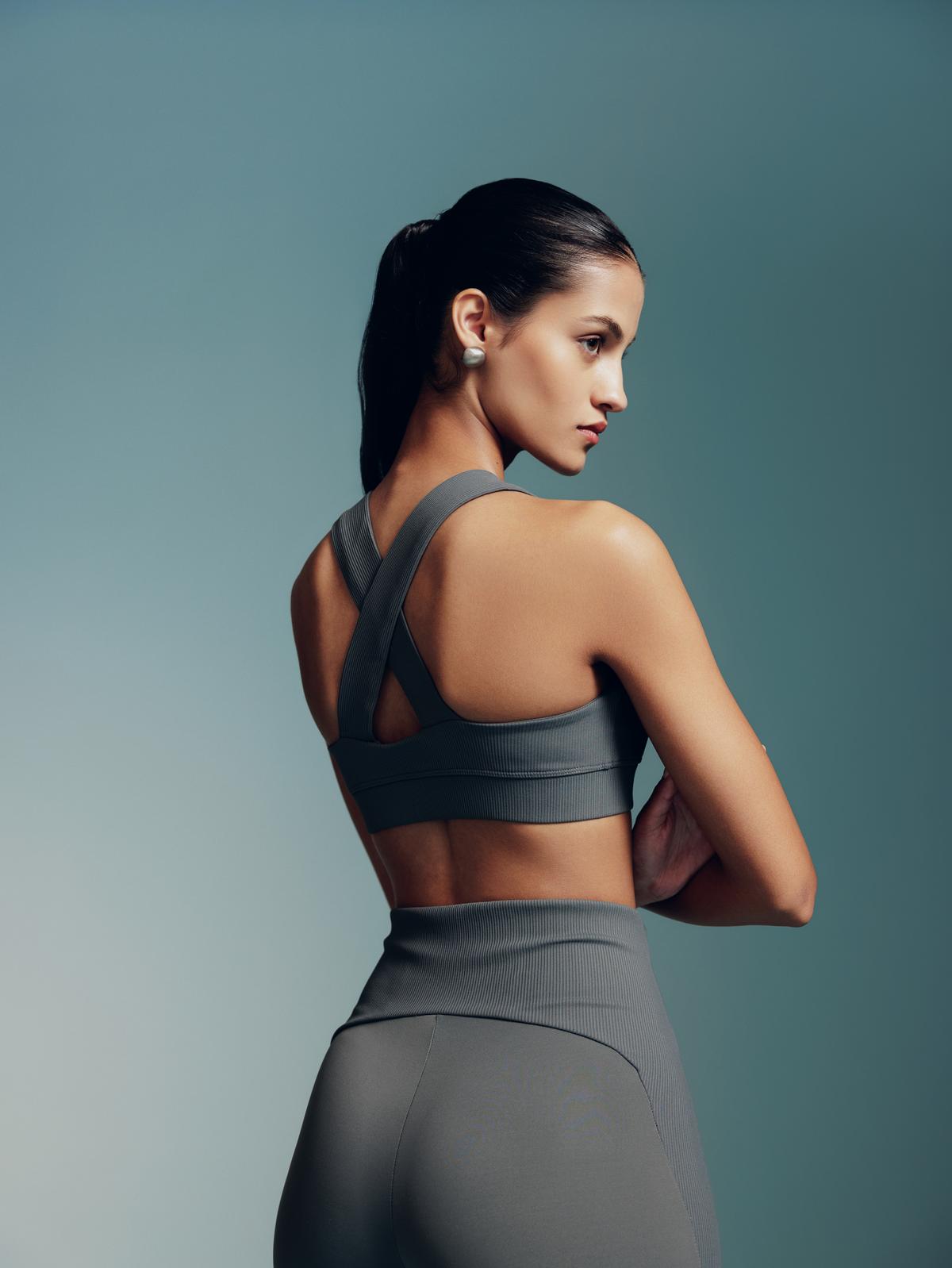
An outfit at Pace Active
| Photo Credit:
Special Arrangement
For Tryambika Shah of Your101 (apparel upwards of ₹1,899), the goal is to avoid reinforcing a singular ideal. “Clothing should encourage people to become the best versions of themselves, not conform to unrealistic standards,” she says.
In that sense, athleisure reflects broader cultural tensions, between aspiration and acceptance, performance and ease.
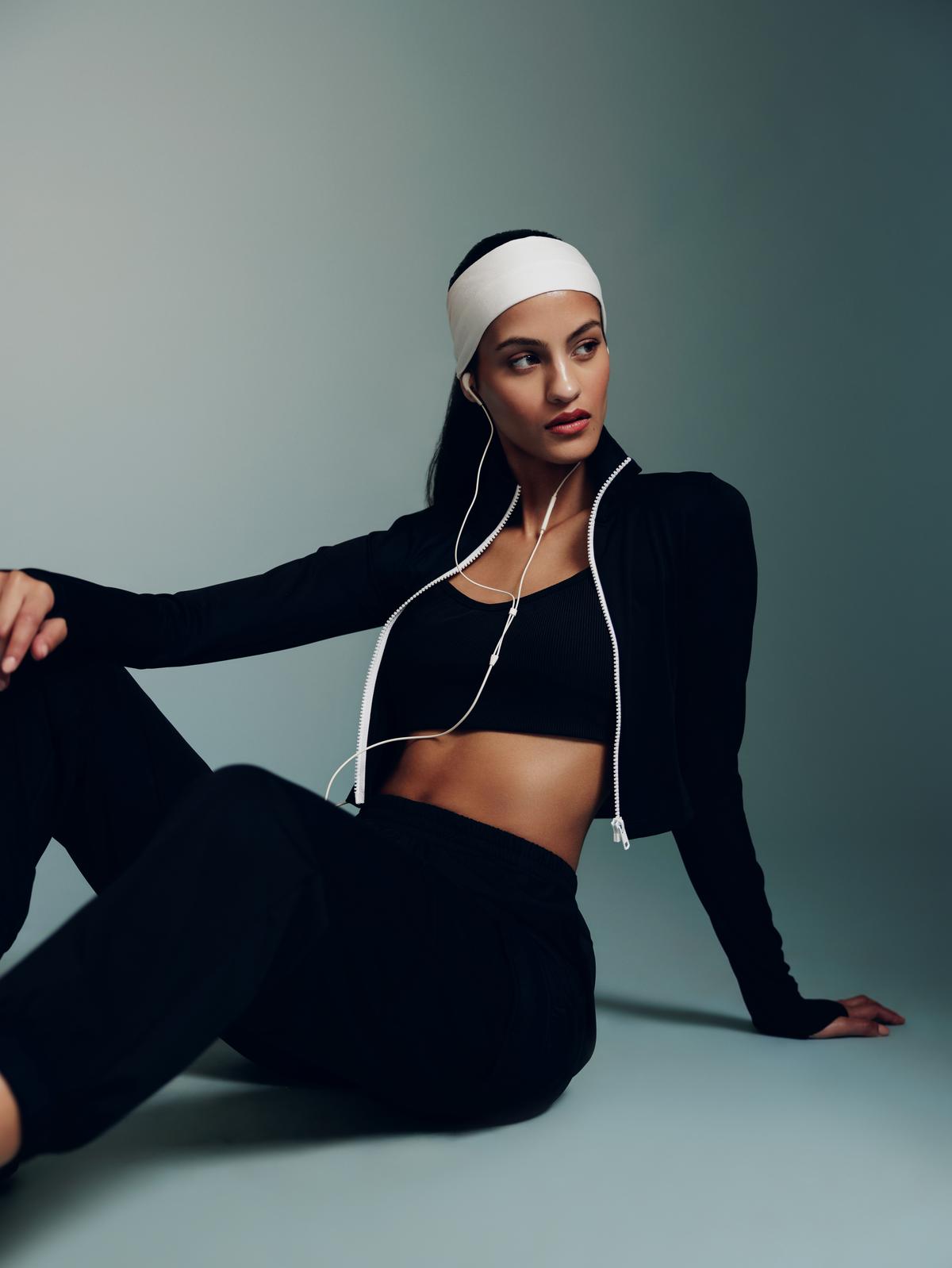
Apparel at Pace Active
| Photo Credit:
Special Arrangement
A wardrobe without boundaries
Athleisure in India is no longer just functional; it has become symbolic. It represents modern ambition, self-investment, and a lifestyle increasingly centred on wellness.
At the same time, there is a growing sensitivity to climate, body diversity, and value. “That demand is pushing Indian athleisure toward a more elevated, design-led future rather than purely trend-driven adoption,” says Aastha.
Minu believes the category will continue to merge with mainstream fashion while retaining its performance-led core. “The future is less about strict categories and more about fluid wardrobes. We see athleisure as a foundational pillar, designed for movement first, with aesthetics seamlessly integrated into daily life,” she says.
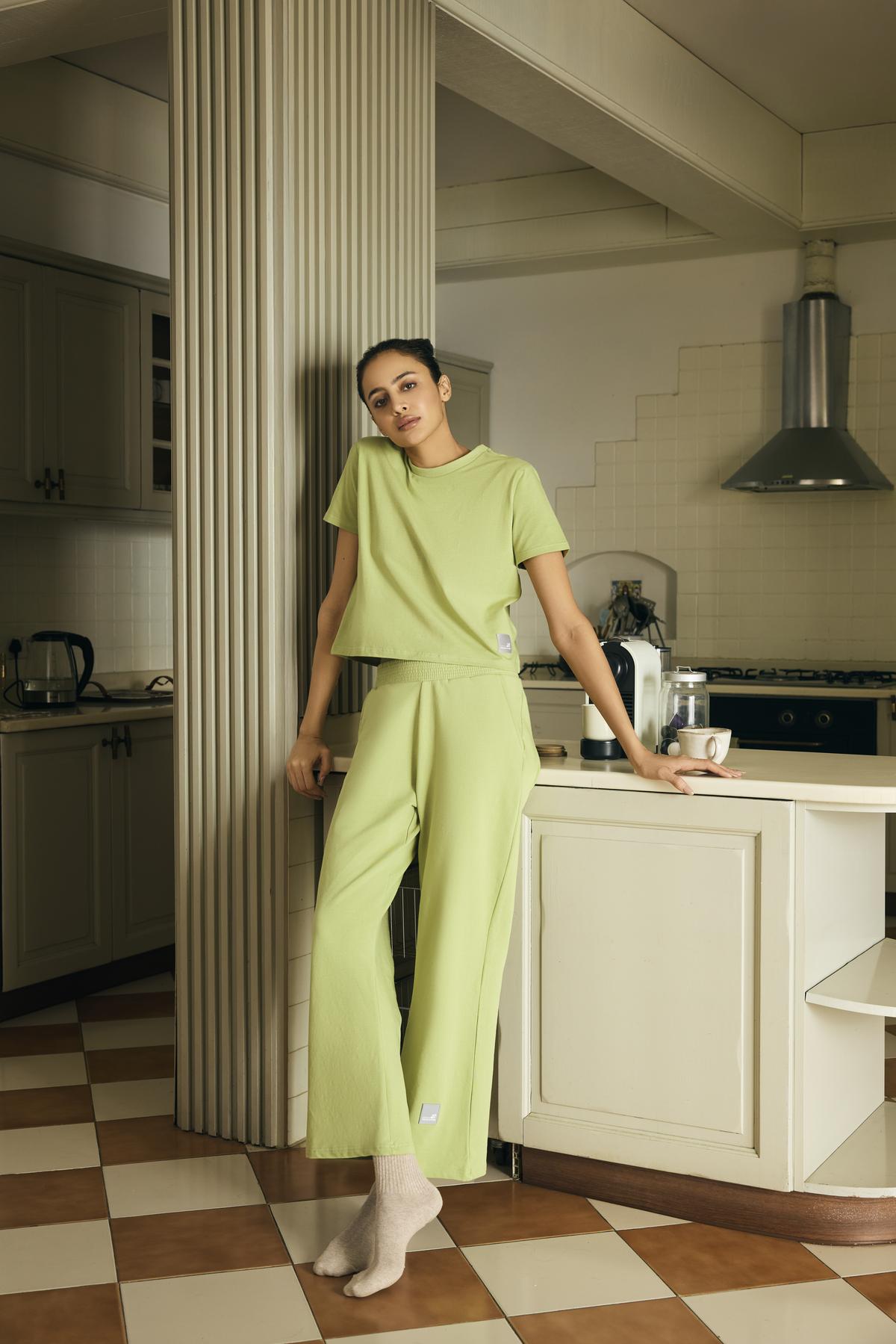
Apparel at Sawsee
| Photo Credit:
Special Arrangement
Looking ahead, Mahi foresees labels expanding into casualwear, travel wear, and even softer forms of office dressing, while staying rooted in performance DNA. What began as workout gear is steadily evolving into something far more expansive — a uniform for how contemporary India chooses to move, live, and present itself.