








The Current State of Xbox Studio Restructuring
The landscape of the gaming industry continues to undergo significant shifts, with Microsoft executing a series of broad organizational changes that impact the internal structure of its gaming division. In a recent development, 268 staff members across multiple studios were affected by layoffs, marking the latest phase of a corporate reset aimed at reorganizing the Xbox brand. This decision has sent ripples throughout the developer community, particularly as it involves high-level talent at studios responsible for some of the company’s most significant intellectual properties.
These workforce adjustments are not isolated incidents but rather part of a broader strategy to refine the operational efficiency of the various entities now under the Xbox banner. By consolidating resources and redefining the mandates of its internal teams, Microsoft intends to align its development efforts with long-term commercial goals. However, the timing of these layoffs—often occurring shortly after major milestones for the affected personnel—has drawn scrutiny from analysts and players who monitor the health and stability of the studios tasked with delivering premium gaming experiences.
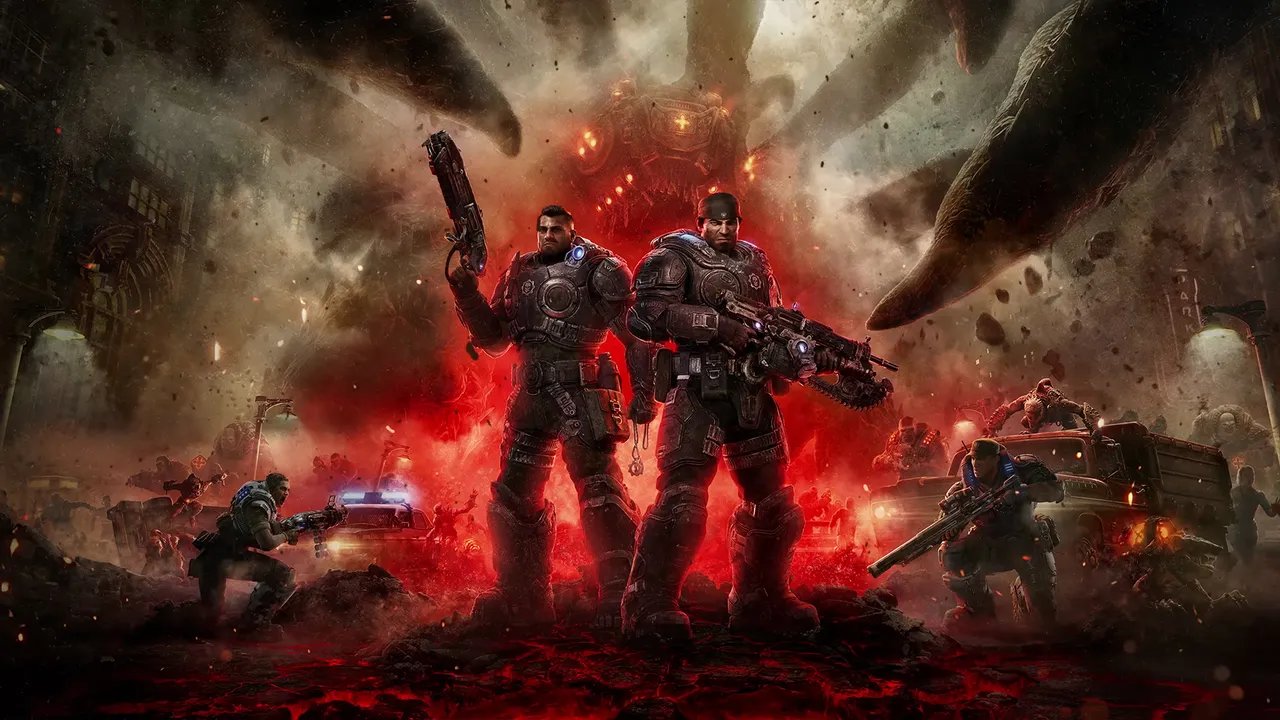
Impact on The Coalition and Gears of War: E-Day
Perhaps the most notable departure in this recent round of cuts is Juan Vaca, a story director at The Coalition. Vaca’s exit is particularly jarring due to its proximity to the upcoming launch of Gears of War: E-Day. As a veteran of the studio for four years, Vaca played a critical role in the creative direction of the franchise’s latest entry. The timing is underscored by the fact that the studio had only recently celebrated the project reaching “gold” status, a hallmark of development indicating the game is ready for manufacturing and digital distribution.
With the game set to enter early access next week and reaching a global release shortly thereafter, the departure of a primary creative voice raises questions about the studio’s internal continuity. The Coalition has served as the steward of the Gears of War franchise for years, maintaining the narrative complexity and technical fidelity that define the series. Losing core personnel during the final stages of a project launch cycle creates a period of uncertainty for the studio’s future, as stakeholders and the public wait to see how the team maintains momentum without key members of its leadership group.
Strategic Shifts in Franchise Management
The broader restructuring is also affecting other cornerstones of the Xbox portfolio, most notably the Halo franchise. Halo Studios, formerly known as 343 Industries, has undergone a drastic transformation. As part of a larger shift in strategy, Microsoft is moving away from the internal studio model that governed previous entries, effectively handing the future of the Halo brand over to Activision. This decision represents a significant change in how Microsoft manages its top-tier, first-party properties.
The transition involves gutting the existing infrastructure at Halo Studios, with only a small skeleton crew remaining to provide maintenance and support for existing titles. The primary development responsibilities for the next mainline iteration of the franchise are now being reallocated to a new team assembled within the Activision ecosystem. This move signifies a departure from the previous decade of production, suggesting that Microsoft is prioritizing external experience and established workflows over its previous internal development pipeline for its most recognizable science-fiction series.
The Complexities of Industry Layoffs
The trend of layoffs occurring simultaneously with promotions or project completions illustrates a disconnect between administrative restructuring and the realities of game development. For instance, the case of Josh Daniels, the cinematic director at Halo Studios who was laid off only one day after receiving a promotion, highlights the volatile nature of the current corporate environment. Such incidents suggest that the criteria for these cuts are driven primarily by high-level fiscal or structural mandates rather than individual performance or merit.
For the gaming industry, these events underscore a growing reliance on corporate streamlining. By prioritizing the consolidation of studios and the integration of new acquisitions like Activision, Microsoft is attempting to maximize the output of its development teams. However, the cost of this efficiency is often the loss of specialized, institutional knowledge. When veteran talent is removed from established franchises, the cultural identity and creative consistency of those franchises can become difficult to maintain, which potentially impacts the overall quality of future releases.
Future Outlook for Xbox Franchises
As the dust settles from these latest organizational changes, the long-term vision for the Gears of War and Halo franchises remains to be fully articulated. While Gears of War: E-Day is intended to function as a prequel, providing a foundational narrative for the series, original promises from management regarding the continuation of the stories established in Gears 5 appear less certain in the wake of the latest staff changes. The focus on immediate deliverables seems to take precedence over the long-term narrative arcs that previously defined these titles.
Ultimately, Microsoft’s current approach focuses on a lean, highly integrated studio model. While this may provide advantages in terms of resource allocation and the leverage of established development talent from across the broader Xbox umbrella, it creates an environment of instability for individual developers. As the gaming industry moves forward, the success of this strategy will be judged by the quality and reception of the upcoming titles. If these high-profile games fail to deliver on technical or creative expectations, the decision to displace experienced leaders during critical development phases will likely face continued, and perhaps more intense, criticism.
Disclaimer: This content is auto-generated for informational purposes only.
Source: Read Original News