






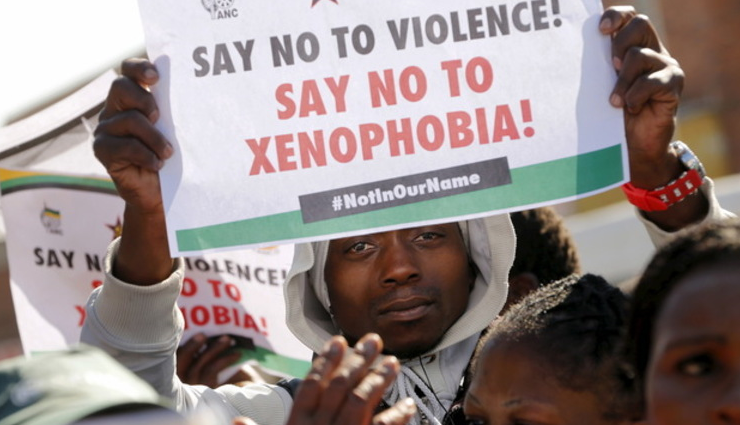
The South African political landscape is undergoing a turbulent transformation as illegal immigration solidifies its role as the primary “low-hanging fruit” for parties seeking legislative seats. Analysts warn that what is being framed as a surge in patriotism is, in reality, a volatile political strategy that risks destabilizing the country’s social and economic future.
Recent electoral cycles have seen parties like ActionSA and the Patriotic Alliance (PA) reap significant gains by adopting stringent anti-illegal immigration stances. In contrast, those clinging to traditional Pan-Africanist ideals, such as the Economic Freedom Fighters (EFF), have faced electoral rejection. This shift comes as public frustration reaches a boiling point; a 2026 GeoPoll survey revealed that 77% of South Africans have either witnessed or heard of social tensions related to immigration within the last year.
The human cost of this climate is stark. According to Xenowatch, since 1994, South Africa has seen 1,362 incidents of xenophobic violence, resulting in 133,362 displacements and 705 fatalities. As these tensions rise, movements such as the “March and March” campaign, led by Jacinta Ngobese-Zuma, are gaining traction by overtly backing parties that promise aggressive repatriation and stricter border controls.
Political analyst Jessie Montshi argues that while these parties are capitalizing on the electorate’s desperation, the focus on immigration is a “dead end.” The underlying drivers of public anger—weak governance, chronic unemployment, and systemic inequality—remain unaddressed. “Illegal immigration as a political strategy is neither good for the political parties nor society at large,” Montshi notes, pointing out that South Africa’s economic woes, such as the shortage of skilled labor, are rooted in domestic educational and structural failures rather than immigration status.
The debate also highlights the uncomfortable reality of South Africa’s position within the continent. While some advocate for “building a wall” to isolate the country from the failures of its neighbors, experts caution that this path leads to the same international isolation that crippled the nation during the apartheid era. With intra-African trade currently lagging at a mere 15–16% compared to the 60%–70% seen in European and Asian blocs, closing borders further may only serve to deepen economic stagnation.
As the governing African National Congress (ANC) continues to face criticism over municipal and national service delivery, the rise of populist, anti-immigrant rhetoric serves as a convenient distraction from the difficult work of governance. Experts suggest that rather than “barking up the wrong tree” by scapegoating migrants, political actors must engage in the harder, more necessary task of regional integration through the SADC and AU, while simultaneously tackling the governance deficits that have left South African citizens feeling abandoned by their own state.
Disclaimer: This content is auto-generated for informational purposes only.
Source: Read Original News