A growing online trend encourages women to quit their jobs, run the home and defer to their husbands. This “tradwife” movement urges a return to traditional roles and, when researchers in the US recently set out to examine what kind of men support it, they expected to find a cohort fond of old-fashioned chivalry.
The reality, they say, was rather different.
Among young American men, the strongest predictor of support for the tradwife lifestyle was not gallantry but hostility towards women.
“We were taken aback,” said Dr Rachael Robnett, a psychologist at the University of Nevada, in Las Vegas, and lead author of the study. Her team had thought that men drawn to the tradwife idea would display what academics call “benevolent sexism” — a belief that men should protect and provide for women. This seemed to them to fit with an ethos where he earns and she cooks and cares for the children.
Instead, statistical tests found that the strongest predictor of male support for tradwife lifestyles was “hostile sexism”. This involves overtly negative beliefs about women, including that they manipulate men, exaggerate discrimination and should not expect equal power.
People who are high in hostile sexism may believe women try to manipulate and control men, often through sex.
The study, which was published in Psychology of Women Quarterly, also found that men drawn to tradwife ideals often believed that women were essential to their emotional fulfilment, and that intimacy was something only women can provide. “It suggests that men [who support tradwife lifestyles] rely on women for intimacy and resent that this is the case,” Robnett said.

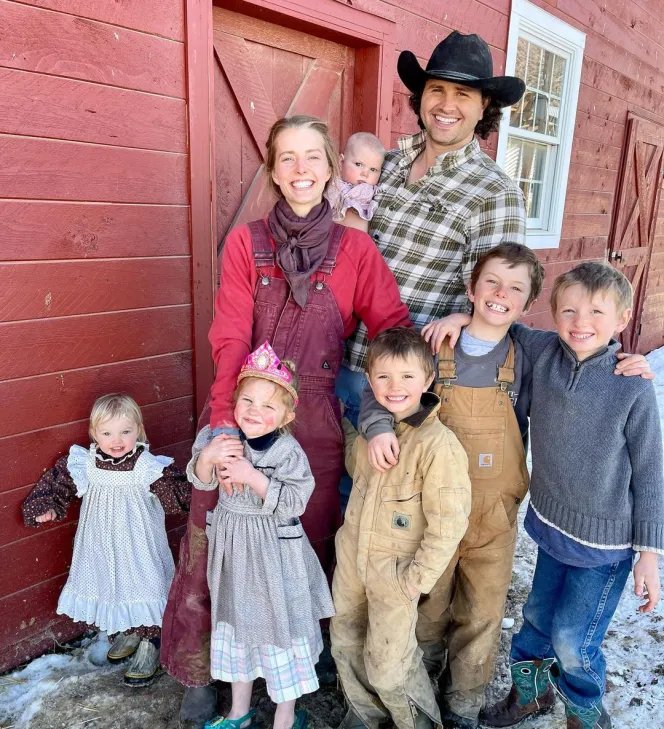
The findings sits uneasily with the movement’s image on social media. Online, tradwives are often depicted in settings of domestic bliss: scenes where women stay at home and bake bread, surrounded by broods of smiling children.
“What these images don’t illustrate,” Robnett said, “is the significant financial and personal autonomy that tradwives yield.”
The findings are based on a survey of 595 American men aged 18 to 29. Participants were asked about their attitudes to roles of men and women and the tradwife lifestyle, as well as their levels of different forms of sexism, religiosity and background characteristics.
The researchers then used statistical models to identify which factors best predicted support. Hostile sexism emerged as the strongest single factor.
The men in the study differed substantially in how they viewed tradwife arrangements. Some described them as a way of imposing structure on modern life. Others were much less positive. Robnett says she was struck by how many respondents called tradwives “lazy”, suggesting they were opting out of work while enjoying the benefits of their husbands’ labour.
A global survey of 23,000 people from King’s College London recently found that 31 per cent of Gen Z men (born between 1997 and 2012) agreed that a wife should always obey her husband. Among Baby Boomer men (born between 1946 and 1964) just 13 per cent agreed.
According to Robnett, her team’s findings do not mean that tradwife marriages cannot work. For some couples, they plainly do. But the study suggests the motivations behind its appeal are often less wholesome than the branding often implies. “The type of man who strongly supports the tradwife movement is probably not what people would expect,” she said.