





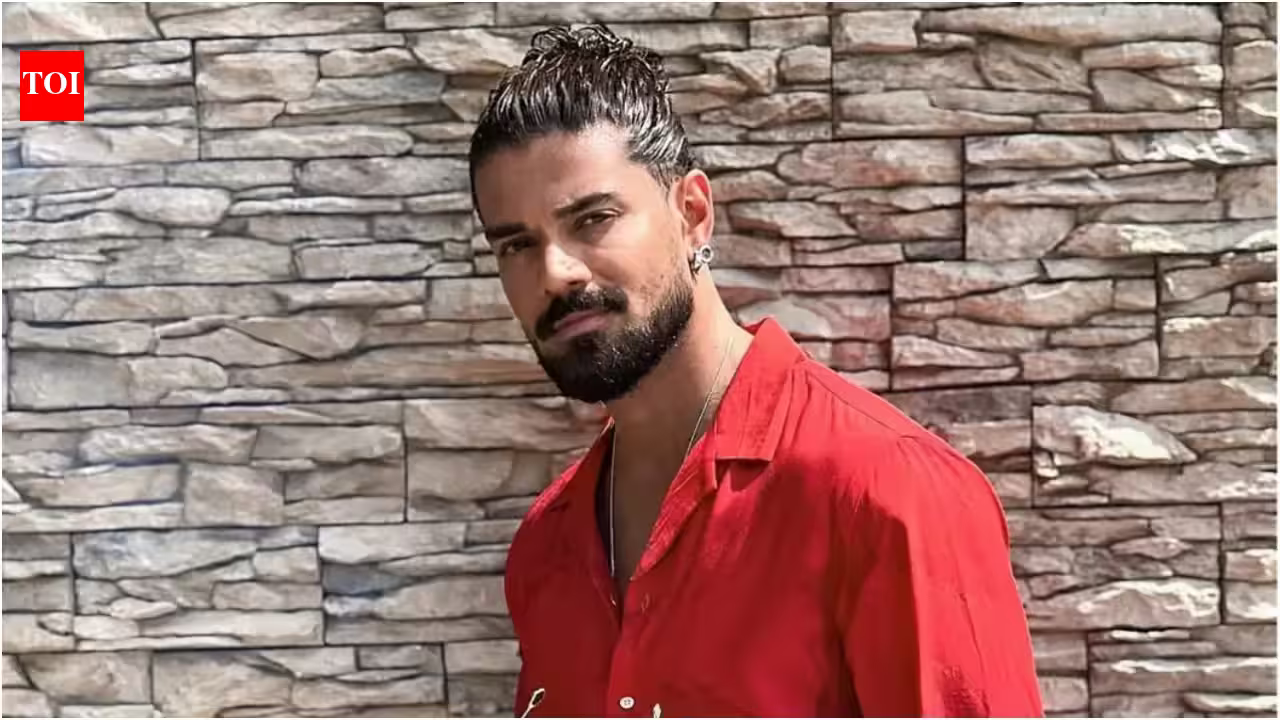
For years, the name Sooraj Pancholi has functioned as a lightning rod in the feverish ecosystem of Indian true-crime speculation. Ever since the tragic death of Disha Salian in 2020, Pancholi has found himself trapped in a digital hall of mirrors—a relentless cycle of social media rumors, unsubstantiated conspiracy theories, and, by his own account, direct threats to his life.
This week, the actor decided he had finally reached his limit. Breaking his silence with a sharp, uncompromising statement on social media, Pancholi didn’t just offer a plea for sympathy; he issued a demand for a conclusion. By explicitly distancing himself from the late Disha Salian and politician Aaditya Thackeray, the actor is effectively drawing a line in the sand, daring the mechanisms of the law to either indict him or finally clear his name.
## Sooraj Pancholi: A Plea for Truth Over Speculation
The crux of Pancholi’s statement is a blunt negation: “I have never met late Disha Salian or Aditya Thackeray ever in my life. Not directly. Not indirectly.” For an actor who has spent the better part of the last four years attempting to piece his career back together after previous legal entanglements, this statement serves as a desperate attempt to sever the tether connecting him to a case that refuses to go cold.
Pancholi’s tone is weary but resolute. He describes his existence in the public eye as one defined by a perpetual state of being “dragged” into narratives where he has no stake. By declaring that he has “nothing to hide or run away from,” the actor is positioning himself as an open book for investigators. He isn’t asking for the investigation to vanish; he is asking for it to be final, transparent, and, most importantly, tethered to actual evidence rather than the chaotic whims of the internet.
## The CBI Probe and the Burden of Proof
The legal framework surrounding this request is complex. Following a directive from the Bombay High Court in September 2026, the Central Bureau of Investigation (CBI) officially registered an FIR into the circumstances of Salian’s death. While the FIR includes serious charges—ranging from criminal conspiracy to murder—it remains notable for what it lacks: specific named suspects.
Pancholi is acutely aware of this. His stance is one of total compliance: he is ready to face any query, any test, and any investigation. He has issued a challenge that borders on the existential: if even a shred of evidence links him to the tragedy, he is prepared to face the full weight of the law without protest. However, he balances this with a stern ultimatum to the media and the authorities. If the probe clears him, he demands that this exoneration be shouted from the rooftops with as much volume and vigor as the initial accusations were whispered across social media forums.
## From Criticism to Criminal Intimidation
Beyond the courtroom and the press conferences, there is a human element to this saga that often gets lost in the sensationalist shuffle. Pancholi paints a bleak picture of his life behind the screen—a reality characterized by death threats and relentless online abuse. He argues that the digital vitriol directed at him has moved far beyond the realm of public criticism into the territory of dangerous harassment.
“This may be entertainment or a dinner time story for some people, but this is my life!” he wrote. It is a reminder that the “Main Character Syndrome” prevalent in modern social media discourse often treats real, breathing human beings as mere NPCs (non-player characters) in a scripted drama. For Pancholi, the “story” is not just a trending hashtag; it is the primary obstacle to his livelihood, his mental health, and his physical safety.
## The Quest for a Definitive Platform
Perhaps the most intriguing aspect of his recent statement is his desire to move the conversation from the fragmented, inflammatory world of social media to a more structured, journalistic setting. Pancholi is clearly tired of having his life edited by the snippets of third-party commentary. He wants to talk—not just to address the rumors, but to address the uncomfortable, thorny questions he has spent years ignoring.
He expressed a desire to speak to an interviewer who would push him, test him, and demand direct answers. There is a palpable sense of wanting to stop playing defense and start setting the record straight. He wants a conversation that replaces the soundbites with facts, and the noise with substance. Whether such a platform will be granted remains to be seen, but his invitation to “uncomfortable questions” suggests a man who feels he has nothing left to lose by laying his cards on the table.
## A Dark Chapter: The Disha Salian Case Remains Unresolved
To understand the intensity of the public’s obsession, one must revisit the tragedy of June 8, 2020. Disha Salian, the manager of the late Sushant Singh Rajput, died after a fall from a high-rise in Mumbai’s Malad. While the Mumbai Police initially filed the case as an accidental death, the sheer volume of public outcry—fueled by the tragic, proximate death of Rajput—transformed the case into a symbol of everything that was wrong, or perceived to be wrong, in the industry.
The legal journey, moving from the Mumbai Police to the High Court’s intervention and eventually to the CBI, has been one of fits and starts. The court’s reminder that no one should be treated as an accused without “sufficient material” was a necessary check on the rampant speculation that has plagued the case. Yet, the public imagination remains captured by the mystery.
## The Political Dimension: Aaditya Thackeray’s Stance
Pancholi is not the only high-profile figure currently under the shadow of these accusations. Aaditya Thackeray, the Shiv Sena (UBT) leader, has similarly been subjected to a firestorm of allegations. Like Pancholi, Thackeray has maintained a consistent narrative of denial, viewing the attempts to link him to the case as a calculated, evidence-free campaign of character assassination.
The parallels between their situations are striking: both men find themselves in a position where the absence of evidence is somehow treated as a “cover-up” rather than an absence of crime. By distancing himself from the political figures involved, Pancholi is attempting to strip his situation of its political utility, hoping to be seen as a private citizen caught in a storm, rather than a pawn in a larger game of political chess.
As the CBI continues its work, the eyes of the public remain fixed on the case. For Sooraj Pancholi, the goal is simple: he wants the curtain to drop on this particular chapter, regardless of how long the play has been running. Whether the investigative agencies can provide the clarity he craves—or whether the court of public opinion will allow him to move on—is a question that remains, for now, unanswered.
Disclaimer: This content is auto-generated for informational purposes only.
Source: Read Original News