








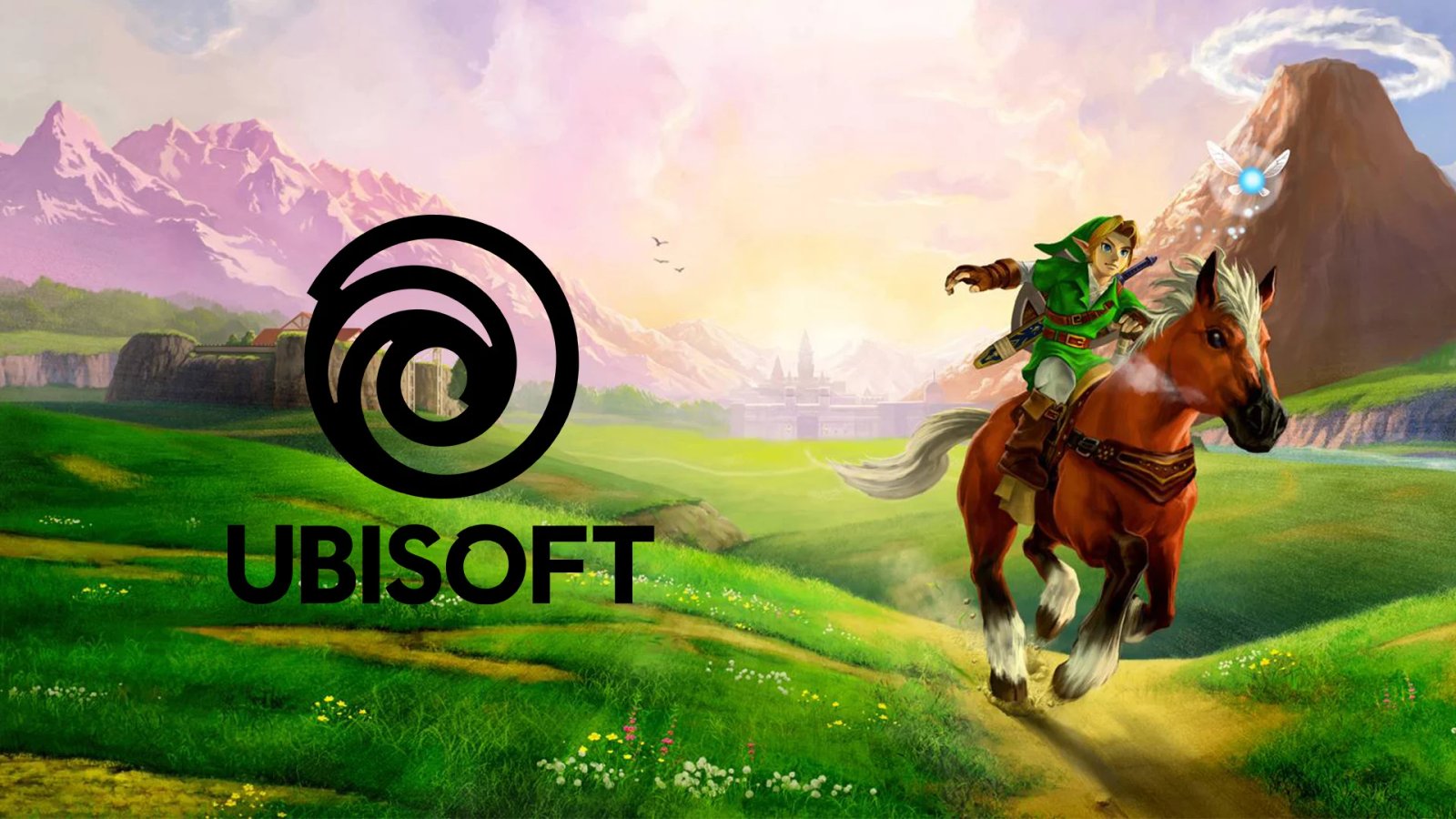
The landscape of high-profile video game development is often defined by projects that never reach the consumer. Behind the curtains of major publishers, ideas are pitched, prototypes are built, and concepts are discarded, leaving only remnants of what could have been. A recent investigative look into the history of Ubisoft Milan has uncovered “Goliath,” an ambitious, canceled project that sought to bridge the gap between Ubisoft’s creative engine and the legendary world of The Legend of Zelda.
The Genesis of Project Goliath
Following the release of Mario + Rabbids Sparks of Hope in late 2022, the creative team at Ubisoft Milan found themselves at a crossroads. While the title enjoyed a favorable critical reception and provided a solid foundation for continued collaboration with Nintendo, the team had higher aspirations. Davide Soliani, a key figure in the success of the Mario + Rabbids series, sought to pivot toward a new, grander objective.
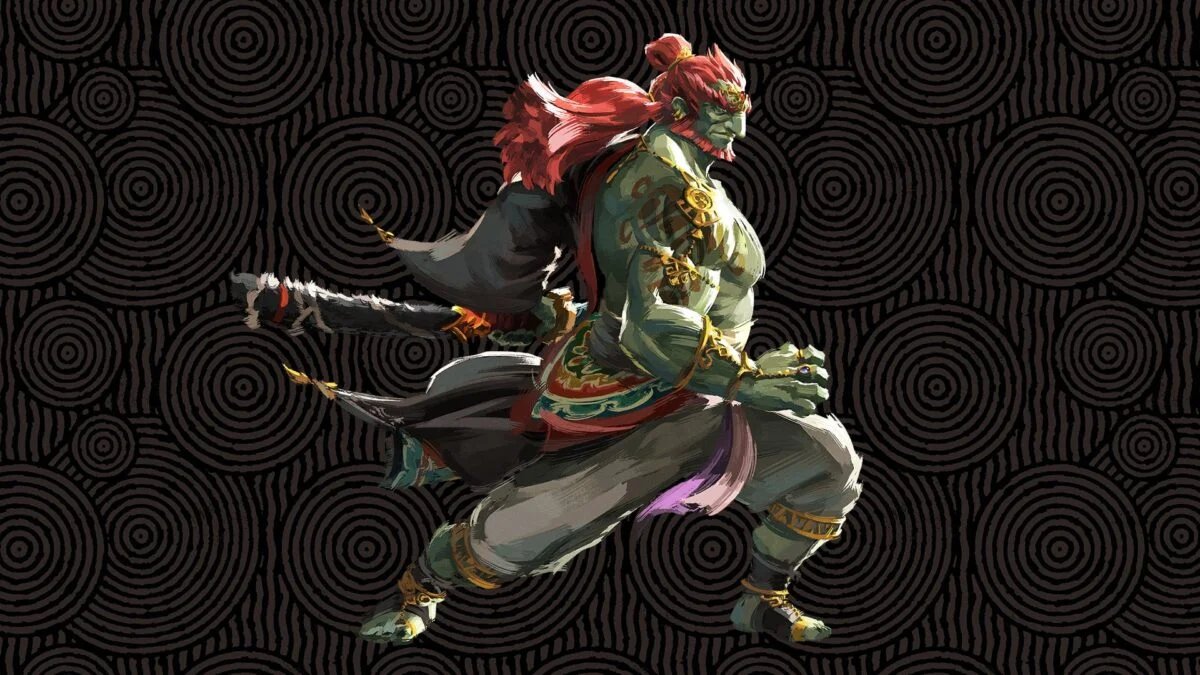
Internal reports indicate that the project, codenamed Goliath, was conceived to explore the Zelda universe through a completely new lens. The initial proposal centered on an original protagonist, distinct from the established lore. However, during the early conceptualization phase, the project underwent a significant thematic shift. Nintendo, expressing interest in the direction of the pitch, requested that the focal point of the narrative be shifted toward one of gaming’s most iconic figures: the antagonist Ganondorf. This pivot transformed the title from a standard spinoff into a character-driven experience centered on the primary villain of the Zelda franchise.
The Scope of Ambition
The development of Goliath was marked by intense creative energy. The studio team reportedly treated this project as an opportunity to cement their standing as a flagship entity within the broader Ubisoft ecosystem. The scale of the vision was vast, with those involved describing an intent to create a major shift in the established Zelda narrative landscape.
Throughout the winter of 2023, the team worked on iterating the prototype, aiming to meet the strict internal deadlines required for a greenlight approval from Nintendo. The project represented a significant technical and creative undertaking, demanding a high level of fidelity to the Zelda intellectual property while simultaneously introducing a fresh perspective on a well-known antagonist. This ambition was reflective of Soliani’s desire to move beyond the boundaries of previous collaborative successes.
The Cancellation and Fallout
Despite the momentum generated during the winter months, the project hit a terminal roadblock. In November 2023, Nintendo rejected the prototype. While the precise reasoning behind this rejection remains shielded by professional confidentiality, the impact on Ubisoft Milan was immediate and significant. The dissolution of the project effectively halted the momentum the team had built following their previous successes.
In the wake of this decision, the collaborative relationship between Nintendo and Ubisoft began to experience friction. Efforts to salvage the partnership by pitching alternative intellectual properties, such as Star Fox or other Mario-centric projects, failed to gain traction. The breakdown in communication between the two entities throughout late 2023 and early 2024 left the development team in a state of uncertainty. Many staff members were either redistributed to other projects across the company or placed into a state of professional limbo.
Impact on Organizational Talent
The cancellation of Goliath served as a catalyst for a major exodus at Ubisoft Milan. The lack of clear direction and the redirection of staff—some of whom were moved to the long-gestating Beyond Good & Evil 2—contributed to a decline in morale. High-level leadership, including Davide Soliani, Cristina Nava, and Gian Marco Zanna, ultimately chose to depart the company in July 2024.
This departure led to the formation of a new studio, Day 4 Night, which incorporates talent from the original Ubisoft Milan team. The move illustrates the cyclical nature of the gaming industry, where the cancellation of high-stakes projects often leads to the splintering of teams and the birth of independent studios. Day 4 Night has since begun development on its own projects, carrying forward the creative drive that was once funneled into the defunct Goliath.
Industry Implications and Legacy
The story of Goliath is emblematic of the risks inherent in working with major licensed intellectual property. The development process for such projects requires a delicate balance between the creative autonomy of the studio and the rigid quality standards of the intellectual property owner. For Ubisoft Milan, the project was a high-stakes gamble that aimed to leverage their expertise in Nintendo franchises to create something truly distinctive.
While Goliath will never reach players, it remains a notable case study in development-cycle failures and corporate transitions. The episode highlights how the cancellation of a single, highly anticipated project can disrupt the internal hierarchy of a major studio and fundamentally alter the career trajectories of its most experienced personnel. As the developers move forward with their independent venture, the legacy of this project remains a chapter in the evolving history of collaborative game design, underscoring the volatility and ambition that define the modern gaming sector.
Disclaimer: This content is auto-generated for informational purposes only.
Source: Read Original News