







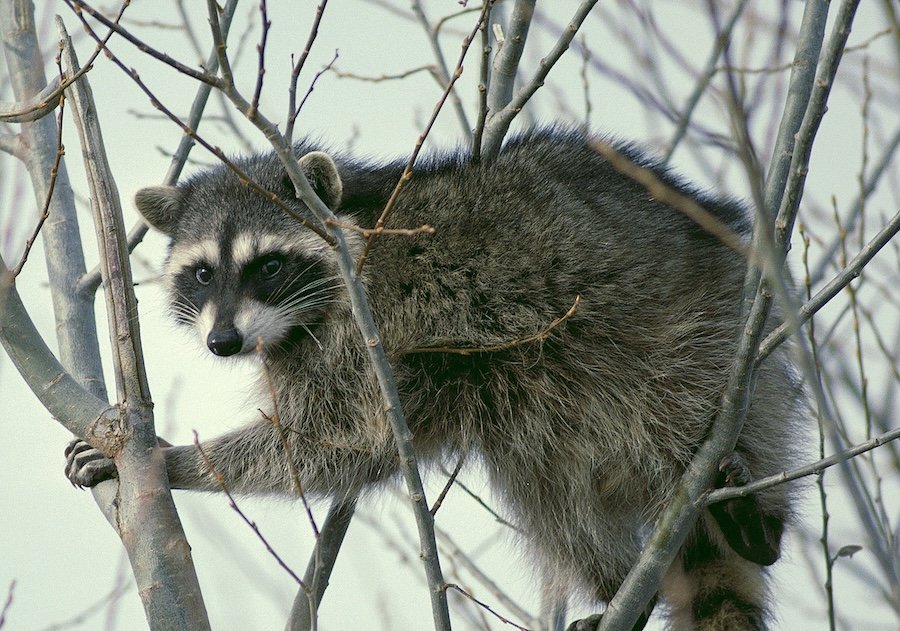
POCATELLO — An 86-year-old Pocatello man is recovering after being attacked by a raccoon in his neighborhood on Tuesday afternoon, a harrowing encounter that has prompted officials from Idaho Fish and Game to issue a warning to the public.
The incident occurred in a residential cul-de-sac on Sept. 22. According to authorities, the raccoon had been wandering the area throughout the day, exhibiting lethargic behavior and failing to retreat when neighbors attempted to scare it away.
The elderly resident stepped outside to retrieve his mail when he encountered the animal. Initially believing the raccoon might be injured and in need of help, he approached it cautiously. Without warning, the animal lunged at him, grabbing his legs and forearm with its teeth and claws. A second individual who rushed to assist the man was also scratched by the raccoon during the struggle.
Both victims were transported for medical treatment shortly after the encounter.
Idaho Fish and Game personnel were dispatched to the scene following reports of the animal’s erratic behavior. The raccoon was euthanized and transported to Southeastern Idaho Public Health for testing. While officials confirmed that the animal tested negative for rabies, further testing is currently underway to determine if other health issues, such as canine distemper, were responsible for its aggression.
This is not the first time Pocatello residents have had alarming interactions with local wildlife. Throughout June, Fish and Game received several reports of raccoons appearing sick, injured, or appearing in public spaces during daylight hours. A previous sample taken from one of those animals tested positive for canine distemper, a highly contagious and serious disease that affects raccoons, skunks, and canids.
While canine distemper is not transmissible to humans, health officials emphasize that it poses a significant threat to domestic dogs. Because symptoms of distemper can often mimic other illnesses, authorities are urging pet owners to ensure their animals’ vaccinations are up to date.
“Unusual behavior in wildlife does not always mean an animal has rabies or distemper, but it is a clear indicator that something is wrong,” said a representative from Idaho Fish and Game. “The most important takeaway is that these animals are wild and unpredictable. Residents should maintain a safe distance and avoid any interaction, no matter how lethargic or docile an animal may appear.”
Fish and Game officials continue to monitor the situation and advise that anyone who notices wildlife behaving strangely should refrain from approaching the animals and instead contact local wildlife authorities immediately. Residents are also encouraged to secure trash containers and remove potential food sources that might attract raccoons to residential areas.
Disclaimer: This content is auto-generated for informational purposes only.
Source: Read Original News