







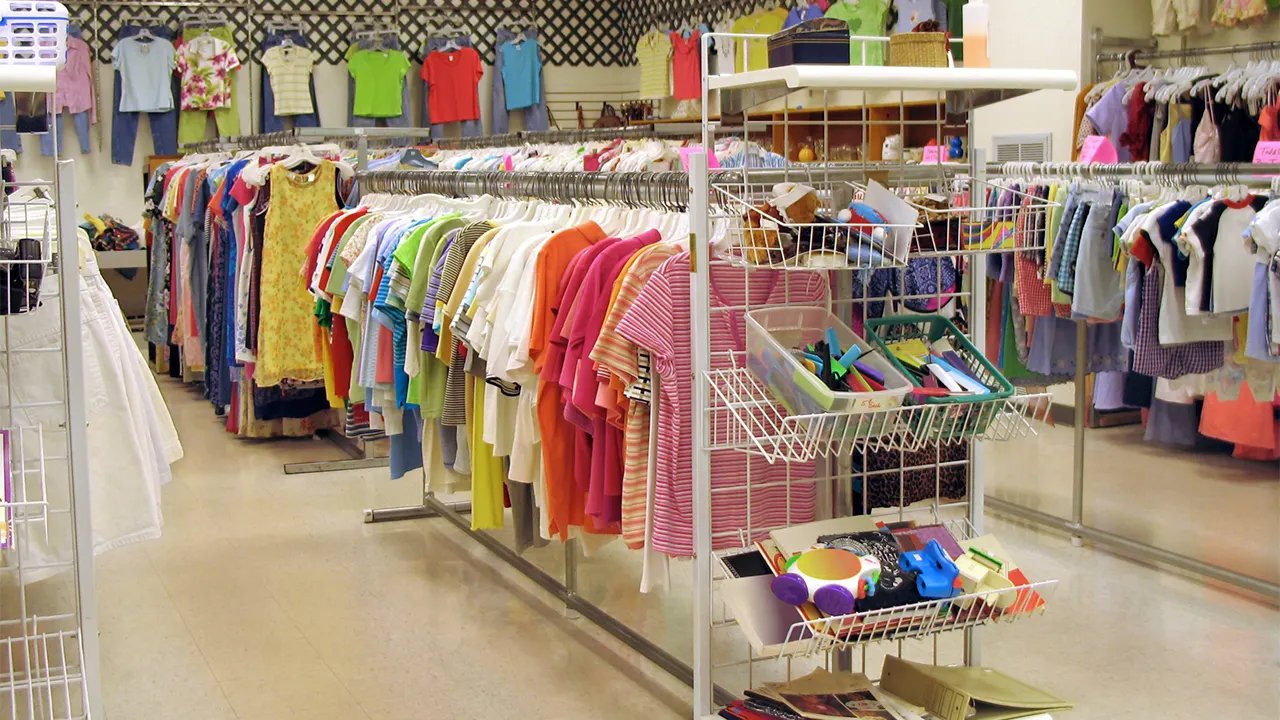
The Cato Corporation, a long-standing fixture in the American retail landscape, has announced a significant contraction of its physical footprint. The Charlotte, North Carolina-based parent company of Cato Fashions confirmed it will close 120 retail locations by the end of the current fiscal year. This decision marks a sharp escalation from the retailer’s earlier projection, which originally anticipated closing only 50 stores.
The move represents a reduction of more than 10% of its total store base, which spans over 1,000 locations across 31 states. As the company navigates a volatile economic environment, the consolidation highlights the growing pressure on traditional brick-and-mortar retailers catering to budget-conscious shoppers.
Economic Headwinds and Shifting Consumer Behavior
The retail sector continues to grapple with the tightening of consumer discretionary spending, a trend exacerbated by persistent inflationary pressures. John Cato, the company’s chairman, president, and CEO, pointed to these challenges as the primary catalyst for the accelerated store closures.
“In light of the current economic environment, especially with the negative pressure on our customers’ discretionary income, we do not expect these marginal stores to improve appreciably,” Cato stated. The executive noted that the company conducts annual performance reviews of its leases, evaluating sales trends and profitability. By shuttering these underperforming units, the corporation aims to stabilize its financial position and improve operating results for the 2027 fiscal year and beyond. The necessity for this move was underscored by the company’s latest financial disclosures, which showed second-quarter net income dropping to $1.1 million, a stark decline from the $6.8 million reported during the same period last year.
The Role of Data Analytics and Predictive Tech in Retail
While legacy brands like The Cato Corporation manage physical store closures, the broader retail industry is increasingly turning to advanced data analytics and Artificial Intelligence to survive. Companies like Walmart and other major retailers are leveraging sophisticated AI models to optimize supply chains and manage inventory in real-time, allowing them to remain competitive even amidst complex trade environments and fluctuating tariff costs.
For a retailer like Cato, which focuses on price-sensitive consumers, the intersection of technology and operations is critical. Modern retailers are moving away from manual assessment toward automated predictive modeling. By utilizing Google Cloud’s retail-focused AI solutions—such as those that provide deep insights into local consumer demand, foot traffic patterns, and hyper-local pricing strategies—chains can better forecast which stores will remain profitable and which have become liabilities. These digital tools allow executives to make data-driven decisions that replace the guesswork often associated with traditional lease renewals.
Future Outlook: Efficiency in the Digital Era
As physical retail models evolve, the “death of the store” narrative is being replaced by a focus on “intelligent retail.” The integration of Google’s retail-specific AI and machine learning tools is helping businesses analyze massive datasets to align inventory with consumer needs, reducing the need for the widespread liquidations currently impacting brands like Cato.
Beyond internal operations, the broader tech industry continues to provide the infrastructure necessary for this transition. Whether it is through cloud-based point-of-sale systems that streamline global inventory or generative AI tools that improve customer service, technology is the primary shield against the current macroeconomic downturn. For the Cato Corporation, the current downsizing is a painful but necessary step toward a more streamlined, data-backed future. As the company works to shed its least efficient assets, the industry will be watching to see how the brand utilizes emerging technology to bolster its remaining locations and better serve its customer base in an increasingly automated retail landscape.
Disclaimer: This content is auto-generated for informational purposes only.
Source: Read Original News