









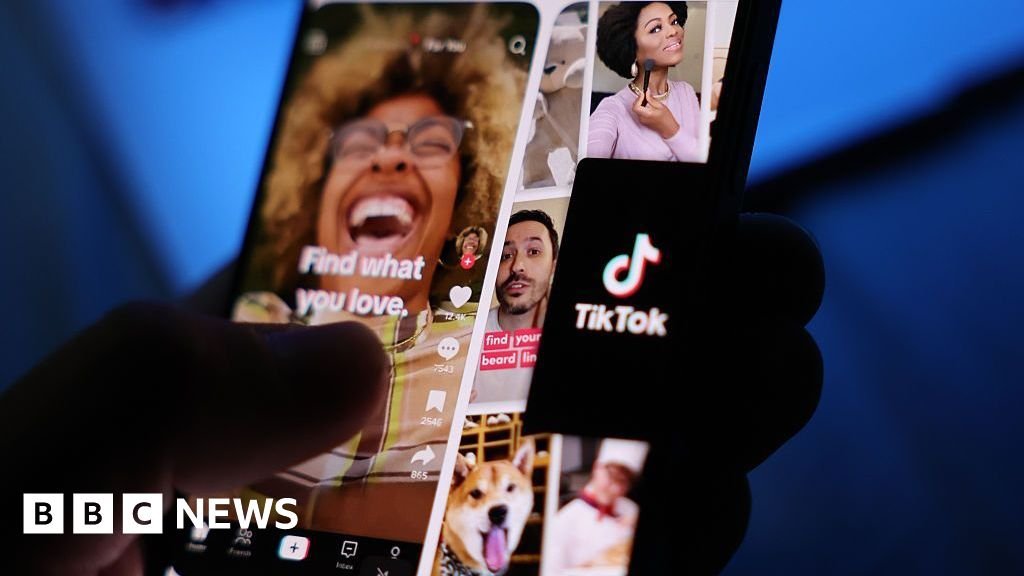
TikTok is doubling down on its efforts to fortify its digital environment for younger users, announcing a suite of expanded protective measures designed to mitigate risks and enhance oversight. This latest initiative comes as the short-form video giant faces mounting pressure from global regulators to address content moderation, algorithmic transparency, and the psychological impact of social media on adolescent development.
The move signals a broader trend within the tech industry, where major players like Google, Meta, and ByteDance are increasingly forced to balance engagement-driven algorithms with strict safety mandates. By emphasizing its commitment to “fostering a safe and positive space,” the company is attempting to reassure parents and policymakers that it can police itself amidst ongoing legislative threats.
Aligning with Industry Standards in Algorithmic Safety
The integration of advanced safety tools by TikTok mirrors the ongoing evolution seen across the Google ecosystem, particularly within YouTube and Search. As AI-driven recommendation engines become the primary way users consume content, tech giants are pivoting toward “safety by design” frameworks.
TikTok’s update involves more than just manual moderation; it leverages sophisticated machine learning models to detect potentially harmful patterns before they reach a teenage user’s feed. This strategy echoes Google’s recent updates to its Family Link and YouTube Kids interfaces, which utilize AI to filter sensitive content and restrict data collection for users under 18. By embedding these guardrails into the core infrastructure, TikTok is attempting to shift the narrative from reactive policy enforcement to proactive prevention.
The Role of Generative AI in Moderation
One of the most complex challenges currently facing the tech industry is the rise of generative AI. While this technology allows for unprecedented creativity, it also makes it easier to produce deceptive content or sophisticated cyberbullying material. TikTok’s latest commitment includes deploying enhanced AI detection systems that can identify and flag non-consensual content or inappropriate interactions in near real-time.
This technical arms race is not unique to TikTok. Google has been heavily investing in its own “Safety AI” initiatives to protect its cloud users and Android ecosystem from evolving digital threats. The industry is currently moving toward a consensus where human moderators act as a last resort, while automated, AI-driven oversight acts as the primary shield. By highlighting its investment in these tools, TikTok is positioning itself as a leader in technical security, hoping to stay ahead of government-mandated requirements that could otherwise limit its algorithmic functionality.
Navigating a Fragmented Global Landscape
Beyond the technical aspect, TikTok’s focus on its U.S. Data Security (USDS) operations highlights the geopolitical complexity of modern social platforms. By emphasizing that its safety tools are specifically being enhanced for American teens, the company is attempting to carve out a distinct identity separate from its global operations, aiming to quell concerns regarding foreign influence and data governance.
However, the efficacy of these tools remains a point of contention for researchers and child advocacy groups. Critics argue that even the most robust AI moderation cannot account for the nuance of human social dynamics. As TikTok, Google, and other tech behemoths continue to refine their safety architectures, the real-world impact remains to be seen. The company’s pledge is clear: it views safety as the baseline requirement for maintaining its massive user base, especially as the next generation of social media consumers demands a digital experience that prioritizes well-being over raw screen time.
Whether these updates will satisfy federal regulators remains the multi-billion-dollar question. As the legislative landscape surrounding child safety online continues to harden, companies like TikTok are under immense pressure to prove that their commitment to “protecting teens” is more than just a public relations strategy. For now, the focus remains on the seamless integration of these protective features into the daily user experience, effectively turning the platform into a curated, filtered space for its youngest participants.
Disclaimer: This content is auto-generated for informational purposes only.
Source: Read Original News